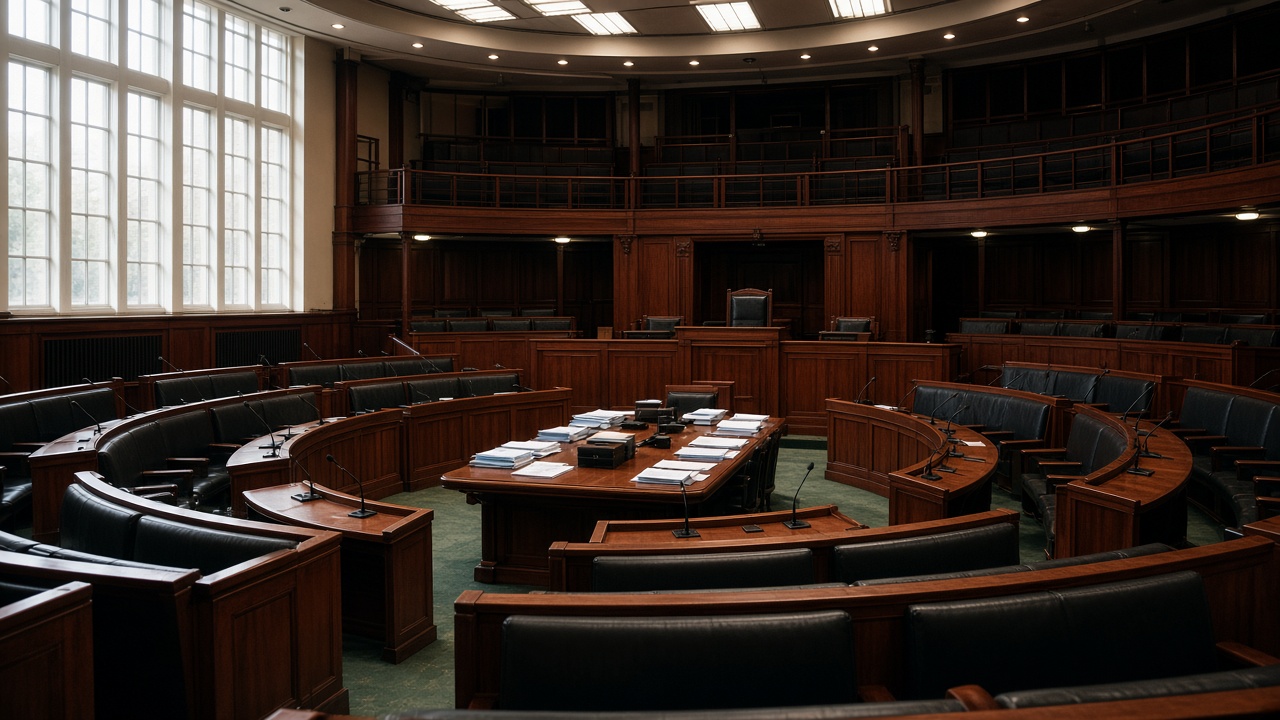
Lower-house lawmakers aligned with former Prime Minister Fumio Kishida's faction supplied the margin to pass revised guidelines on overseas defense production sites, a Diet outcome that lets Japan host allied maintenance plants while tightening export oversight ahead of Prime Minister Shigeru Ishiba's upcoming policy speech.
What the revision changes
Ministry of Defense briefings describe the package as clarifying when joint ventures with Australia, the United Kingdom and the United States can perform sustainment work on licensed platforms without triggering blanket export bans. Plants in Japan could assemble subcomponents for missiles or aircraft electronics when end users remain treaty partners and Diet committees receive annual compliance reports.
Opposition parties argued the language loosens Article Nine interpretations; government negotiators countered that overseas conflict zones still require case-by-case cabinet approvals. The Kishida faction's swing bloc accepted additional reporting clauses in exchange for support — a classic Diet trade visible in the published committee minutes.
Why the vote landed now
Ishiba scheduled a policy address covering fiscal discipline and security burden-sharing. Passing plant rules beforehand prevents the speech from being overshadowed by a legislative defeat. Foreign Ministry press guidance ties the vote to upcoming trilateral industry talks on ship repair capacity in Yokosuka and Sasebo.
House of Representatives records show debate stretched across Sports Day weekend sessions with smaller attendance; whips counted proxies carefully to hit quorum. Television clips focused on shouting matches over "kill-capable exports," but the operational text mostly concerns maintenance, not fresh arms sales to conflict zones.
Industry and jobs angle
Domestic defense contractors hope overseas plant rules unlock long-term maintenance revenue as the Self-Defense Forces modernize fighters and destroyers. Unions in Nagoya and Hiroshima shipyards want assurances that foreign partners cannot bypass local content rules. The bill includes domestic workshare floors for certain categories — details buried in annex tables analysts are still parsing.
Export credit agencies watched the vote for signals on whether Tokyo will backstop factory investments in allied countries. No new yen commitments passed Monday; the vote was regulatory, not budgetary.
Regional reactions
Canberra welcomed the clarity; Seoul issued a neutral readout noting existing bilateral supply chains. Beijing's embassy criticized "militarization," a predictable line that did not shift yen or Nikkei defense names materially on the day.
Okinawa legislators abstained, citing insufficient consultation on port usage — a reminder that security legislation always has a local land-use chapter.
What comes next
Upper-house committees must align text before royal promulgation; no veto is expected given coalition math. Ishiba will cite the vote as proof Japan can deepen alliances without abandoning oversight. Watch whether the first factory applications arrive before year-end — that paperwork, not slogans, will show how far the rules actually moved.
Committee mechanics
Defense committee transcripts show hours spent defining "sustainment" versus "manufacture" for export control lists — language that determines whether a Nagoya machining shop can ship replacement turbine blades to an Australian maintenance depot. Lawyers for opposition parties filed minority reports arguing the definitions remain vague; government aides promised implementing ordinances within 90 days.
Media galleries were packed for the final vote but empty during clause-by-clause markup, where the real concessions landed. Kishida faction negotiators traded support for an amendment requiring Diet notification within 48 hours when a new overseas site registers — a timeline activists say is still too slow.
Defense industry watchlist
Tokyo Stock Exchange defense names closed mixed Monday; investors had priced in passage after committee approval last week. The bigger swing factor remains yen and U.S. election volatility, not Diet gavel counts.
Self-Defense Forces procurement officials will brief industry groups on Friday about which platforms qualify for the new plant rules first — likely P-1 maritime patrol components rather than offensive missile lines, according to briefing slides leaked to trade press.
Diplomats in Washington and London issued brief congratulations statements that avoided dollar figures, keeping fiscal fights separate from security implementation for at least one news cycle.