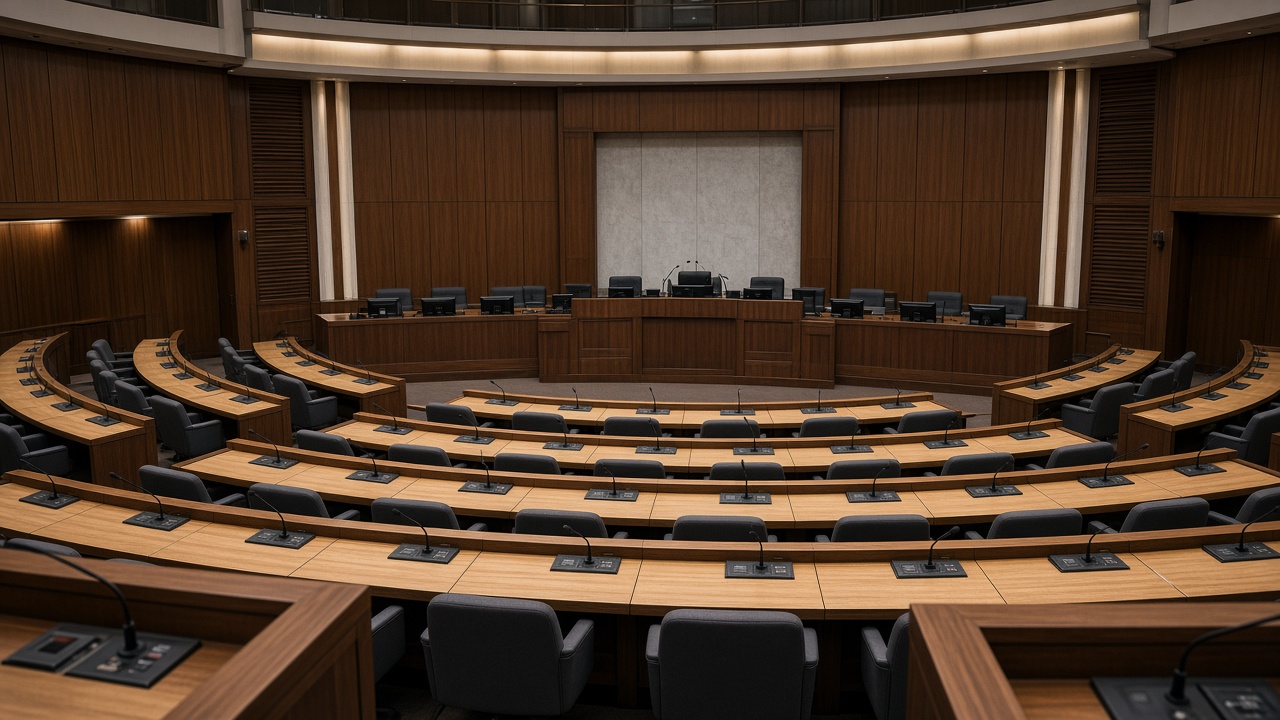
Taiwan’s Legislative Yuan will hold a closed-door session Tuesday on alleged mainland efforts to sway an upcoming chairperson election, according to schedules released by the speaker’s office and confirmed by party whips.
The meeting will include leaders from all caucuses, the National Security Bureau, and the Mainland Affairs Council. Reporters will not be admitted; lawmakers said a sanitized summary may follow if declassification rules allow.
Why the chair race matters
The Legislative Yuan speaker sets committee agendas, controls access to classified briefings, and can slow or accelerate votes on defense budgets and trade agreements. A contested chair election later this month has drawn unusually heavy lobbying, with smaller parties holding the balance of power after last year’s legislative elections.
What triggered the session
Opposition lawmakers last week circulated chat logs they said showed parallel messaging lines between local campaign aides and accounts promoting a specific candidate. The ruling party asked for an intelligence briefing rather than debating the screenshots on the open floor, citing rules against revealing sources and methods.
Security officials have warned in annual reports that united-front work targets not only presidential races but also leadership posts that shape oversight of cross-strait economic measures.
Political fallout
Smaller parties demanded that any findings be referred to the Ethics Committee if they involve sitting legislators. Civil-society groups asked for a public hearing on election security, arguing that closed sessions reduce accountability. The speaker’s office said Tuesday’s format is a compromise to let agencies speak candidly.
Investors barely reacted Monday, treating the briefing as domestic politics. Diplomatic observers in Taipei said foreign missions will watch whether the legislature tightens disclosure rules for contact with mainland entities after the vote.
Timeline before the vote
Party whips said the chair election must occur before budget committees finalize defense supplemental requests, giving the briefing unusual sway. Any leaked summary could shift swing caucus votes, which is why smaller parties insisted on ethics referrals if names appear in the intelligence deck.
Public pressure
More than forty civil-society groups signed a petition asking the speaker to release a redacted transcript within seventy-two hours of the briefing. Opposition lawmakers countered that even redactions could expose human sources cultivated over years along the strait. The Mainland Affairs Council said it would brief party caucuses separately on legal tools for punishing undisclosed agent contact if new evidence emerges.
Foreign chambers in Taipei sent a neutral note reminding members that lobbying rules differ from election-interference statutes, a distinction some multinational firms confused after last year’s disclosure debates.