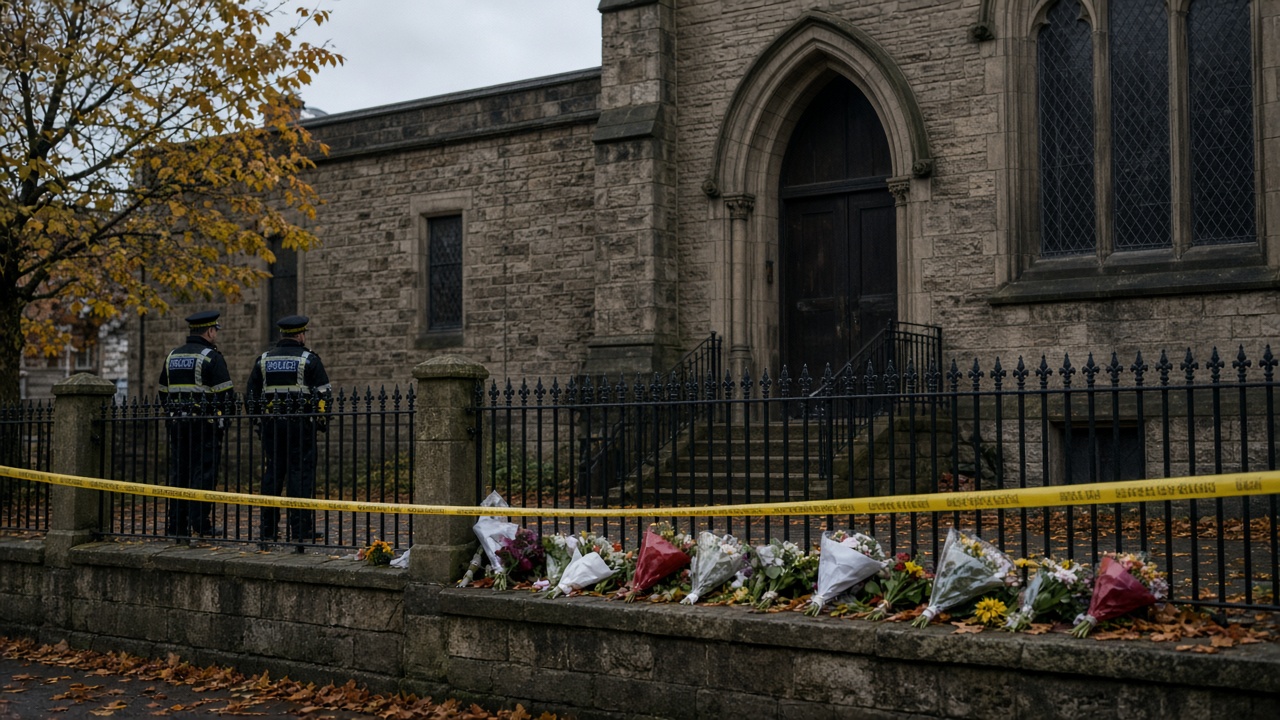
Home Secretary Shabana Mahmood has ordered a public inquiry into how two men died during last year's attack on the Heaton Park Hebrew Congregation synagogue in Manchester, moving the cases out of a standard inquest so classified intelligence material can be examined in full.
Mahmood told the House of Commons on Monday that the inquiry would study the deaths of Melvin Cravitz, 66, who was stabbed during the assault, and Adrian Daulby, 53, who was fatally shot by armed officers while trying to hold the synagogue doors shut. Three other people were seriously wounded on Yom Kippur, 2 October 2025.
Why ministers stepped in
The announcement followed a request from Alexia Durran, the chief coroner for England and Wales, who wrote to Mahmood last month recommending that inquests be replaced by an inquiry. Government lawyers had already argued that some MI5 material could not be aired openly in a coroner's court without risking national security.
Mahmood said the attack marked the first anniversary of a terror assault on Britain's Jewish community during its holiest day. "What happened that day must be fully understood," she said, promising that sensitive evidence withheld from a coroner could still be tested under inquiry rules.
What is known about the assault
According to police and court records cited by the BBC, the attacker, Jihad Al-Shamie, was shot dead by officers during the incident. He was a Syrian-born British citizen. A separate trial this year saw accomplice Mohammad Bashir jailed for life over an earlier plot targeting the UK Defence Academy at Shrivenham.
Greater Manchester Police Chief Constable Sir Stephen Watson said in a statement earlier this year that Al-Shamie had been arrested twice in 2025 on non-terror allegations and was on bail at the time of the synagogue assault. Watson apologised after an internal review found officers had seized Al-Shamie's phones but not analysed their contents before the attack, calling the lapse a "missed opportunity" that might have prompted further investigation.
Scope and timing
Public inquiries in England can compel witness testimony and publish findings on whether state bodies failed in their duties. Ministers have not yet named a chair or published terms of reference, steps that usually follow within weeks of an announcement.
Families of Cravitz and Daulby have campaigned for answers on both the stabbings inside the building and the fatal police shooting at the entrance. The inquiry will also sit alongside continuing independent reviews of counter-terrorism handling that Watson said he hoped would "leave no question unanswered."
Mahmood said further updates on security lessons would come to Parliament as the inquiry is set up. Jewish community leaders welcomed the move while urging speed, noting that worshippers returned to the synagogue under tightened protection measures throughout the past year.