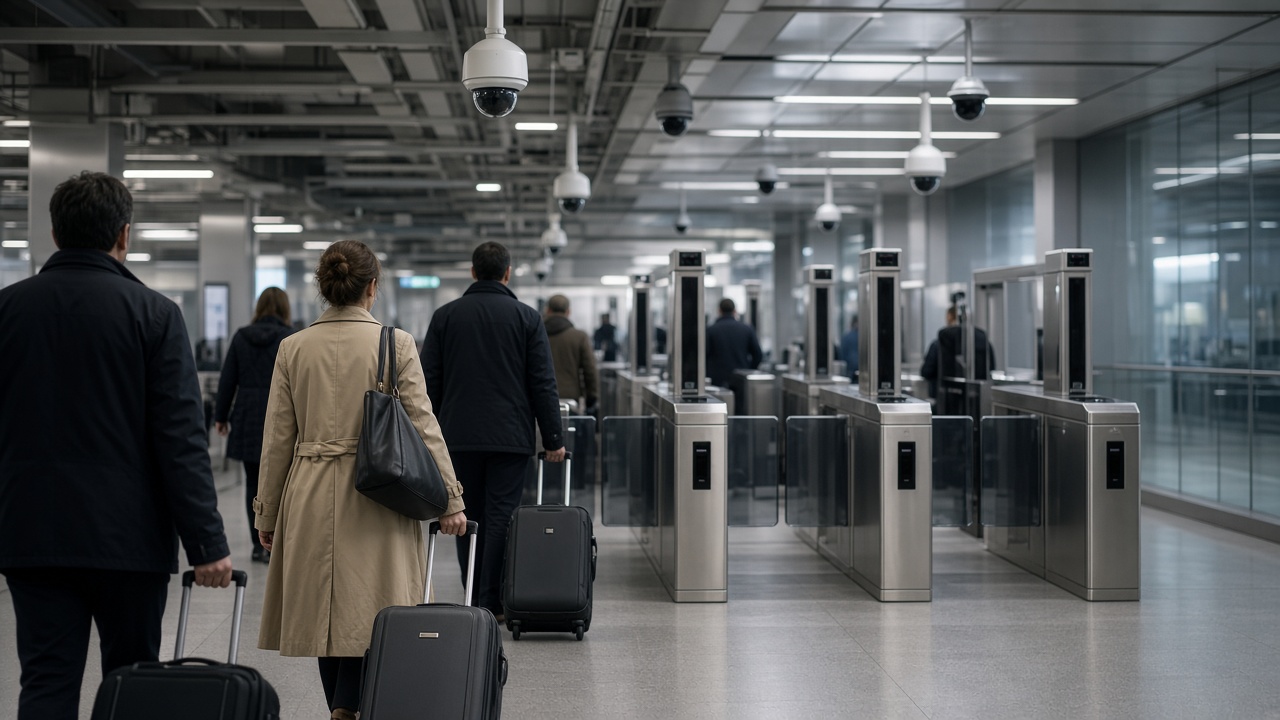
NEC Corp is installing face-recognition boarding gates in the international departures wing at New Chitose Airport, giving Hokkaido's primary hub a biometric path that airport operators hope will shorten queues before ski-season charters and Sports Day holiday traffic converge.
What the deployment includes
NEC's aviation unit is pairing camera arrays with gate hardware that matches travelers' faces to boarding records without repeated passport scans at each lane. Ministry of Land, Infrastructure, Transport and Tourism aviation bulletins have encouraged phased biometric trials at regional international terminals where legacy hold rooms bottleneck during narrow-body peaks.
New Chitose's operator published construction timelines showing the international wing expansion wrapping ahead of winter; NEC's role covers software integration with airline departure control systems and local network security reviews. The vendor has similar installs at Narita and Haneda, but Chitose's cold-weather lens heating and snow-day passenger surges pose distinct maintenance schedules.
Privacy and oversight
Japan's Personal Information Protection Commission has issued guidance on facial data retention at airports, requiring clear signage and purpose limitation. NEC typically configures systems to discard transient images after matching unless law enforcement channels invoke separate protocols. Airlines must update privacy notices on codeshare itineraries that originate in Sapporo.
Foreign visitors on Hokkaido ski packages may encounter bilingual opt-out desks during the pilot month; airport staff train on manual processing lanes when algorithms fail on masks or lighting glare.
Operational stakes
Winter charter operators run tight turnarounds; shaving ninety seconds per busload at gates compounds across a day. Ground handlers also want fewer manual boardings during de-icing delays when passengers re-enter sterile areas. Biometrics help only if network links to immigration databases stay up — a lesson from other hubs where brief outages forced full manual fallback.
NEC competes with overseas gate vendors; a Hokkaido win reinforces domestic preference in public infrastructure bids tied to security clearances. Export potential to Southeast Asian ski destinations is a secondary talking point in investor decks, not this week's priority.
Traveler experience
Passengers should expect trial lanes mixed with traditional boarding during October. Enrollment may require advance registration on airline apps with passport chips scanned at kiosks. Families with children under biometric age thresholds will still use manual counters.
For Hokkaido tourism boards marketing Sports Day long weekends, faster gates are part of a broader story: expanded duty-free floors, rail links to Niseko, and now tech that reduces hallway stress. NEC's install is hardware; the passenger memory will be whether bags still made the belt — but every minute counts when flights face crosswinds off the Sea of Japan.
What happens next
Airport officials plan metrics on throughput and false-match rates before declaring full rollout for December charters. NEC service teams will winterize outdoor camera housings on jet bridges. If metrics beat targets, expect press tours tying biometric success to Japan's inbound tourism recovery narrative — with privacy audits riding along.
Integration testing this month
Airlines running narrow-body fleets to Seoul and Taipei volunteered for dry runs where gate agents compare biometric matches against manual passport stamps. Any mismatch triggers an audit log sent to airport security operations centers; NEC engineers monitor false-positive rates remotely during the first two weeks.
Ground-support equipment vendors must update jet-bridge camera mounts to reduce glare from snow reflections — a Hokkaido-specific snag that delayed one test flight last winter. Lessons from that delay are embedded in the October construction schedule published on the airport operator's site.
Cost and maintenance
Biometric lanes cost more upfront than traditional boarding desks but reduce staffing hours per departure when utilization exceeds 70 percent. Airport accountants model payback over five seasons of ski traffic; NEC offers service contracts that include lens cleaning kits rated to minus twenty degrees Celsius.
Transit passengers connecting to Sapporo's subway will still use traditional boarding on domestic hops until biometric lanes prove stable through a full snow season — a phased rollout airport PR teams are already drafting for December media tours.