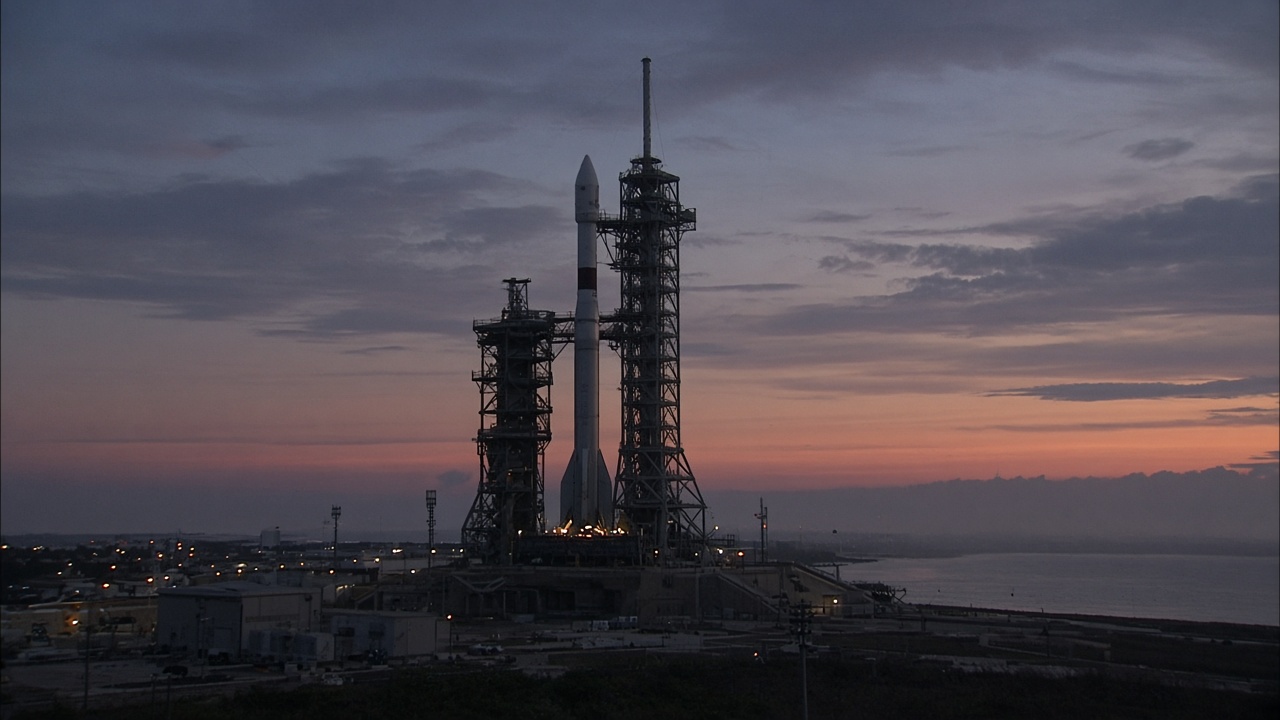
Korea's homegrown Nuri rocket carried five NEONSAT microsatellites into orbit on October 7 from the Naro Space Center in Goheung, marking the first batch deployment in a government-led constellation meant to reduce reliance on imported Earth-imaging data.
KAIST's Satellite Technology Research Center leads the NEONSAT program with support from the Korea AeroSpace Administration. Satellites numbered 2 through 6 rode as the primary payload on the fifth Nuri flight, following a prototype and validation unit launched earlier in the development path.
Industrial roles
The research center oversees systems engineering and verification methods for building multiple identical platforms. The Korea Aerospace Research Institute developed ground-segment software for constellation operations and calibration. Satrec Initiative supplied the satellite bus and high-resolution optical payload for the batch.
Officials nicknamed development stages with the acronym BTS—Beginning, Bridging, Beholding, and Beyond the Swarm—to mark progress from single prototypes to mass production. A second production batch is scheduled for 2027.
Why it matters in Seoul
Domestic ministries want timely imagery for disaster response, agricultural monitoring, and maritime surveillance without waiting on foreign vendors. NEONSAT's 0.5-meter-class optics, once calibrated, will feed agencies that currently buy capacity from overseas operators during flood and wildfire seasons.
The launch also tests Nuri's reliability ahead of heavier commercial missions. Aerospace startups in Daejeon and Sejong have watched Nuri cadence to decide whether to book domestic rides versus foreign launch brokers.
What comes next
Controllers will spend the next weeks checking onboard systems and aligning ground stations. If commissioning succeeds, the constellation will begin routine imaging trials before a public data policy is finalized. For taxpayers, the milestone is as much about sustaining engineering jobs across KAIST, KARI, and Satrec as it is about the photos themselves.
Policy backdrop
President Lee's government has tied space spending to regional balance, routing launch operations through Goheung while keeping payload design in Daejeon. Lawmakers on the Science Committee asked for a public timeline showing when NEONSAT imagery will replace foreign purchases in flood maps distributed to provinces.