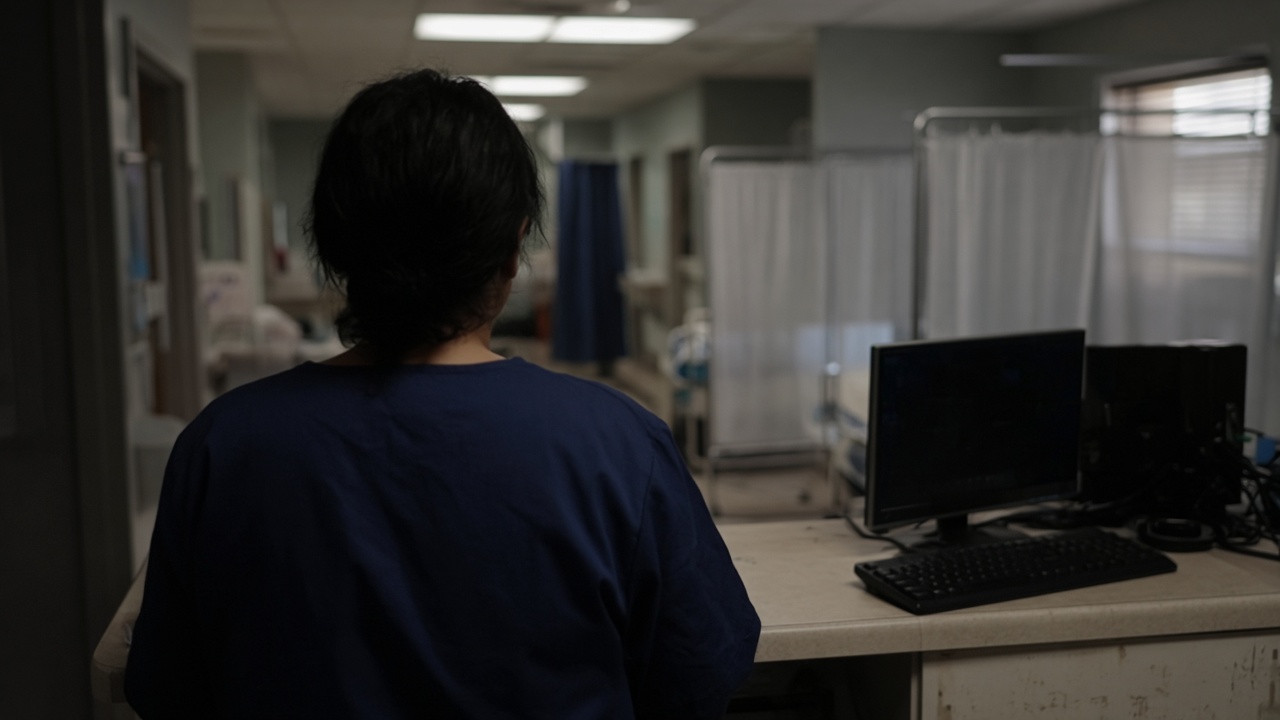
Queensland Health has begun a controlled pilot of a large-language-model triage assistant at Gold Coast University Hospital, where nurses still make every acuity decision but can query a secure workstation tool for draft documentation and differential prompts. The three-month trial, announced ahead of summer holiday surges, is the state’s first live test of generative AI inside an emergency department workflow rather than in back-office billing.
How the pilot is bounded
The model runs on hospital-controlled infrastructure, not a public chatbot endpoint, and is barred from issuing treatment orders or bed assignments. Staff tap a structured form describing presenting symptoms; the system returns suggested triage categories aligned with the Australasian Triage Scale, along with plain-language rationales nurses can accept, edit or discard. Every interaction is logged for medico-legal review, and the pilot ethics committee can halt deployment if override rates exceed agreed thresholds.
Gold Coast was chosen because it mixes tourist trauma cases with geriatric falls from nearby retirement communities, giving the tool a wide symptom vocabulary. Hospital executives said they are not chasing headline wait-time cuts in the first quarter; the success metric is whether documentation time per patient falls without increasing re-triage incidents.
Risk and governance
Federal eSafety and Therapeutic Goods Administration guidance does not yet classify triage support as a medical device when a clinician remains accountable, but Queensland’s chief health officer said the state would publish evaluation metrics before any statewide procurement. Privacy officers confirmed patient identifiers are stripped before prompts reach the model weights, and the hospital will not use pilot transcripts for commercial training.
Other states are watching. Victoria’s health department has funded simulation-only tests at Monash, while New South Wales prefers rule-based decision trees until liability frameworks catch up. If Gold Coast demonstrates consistent nurse acceptance above 70 per cent on suggested categories, Queensland Health will open a tender for on-premise hosting with auditable model cards—still a long way from replacing human judgment at the front door.
Training and nursing unions
The Queensland Nurses and Midwives’ Union said it supports documentation aids only when they reduce keyboard time without adding liability to frontline staff. Delegates at Gold Coast University Hospital will monitor whether nurses feel pressured to accept AI suggestions to hit length-of-stay targets.
Informatics teams spent six weeks red-teaming the model with synthetic patient vignettes before go-live, including cases with domestic-violence cues that must trigger immediate human review. Any failure there pauses the pilot automatically, according to hospital protocols published to staff intranets.
Researchers at the University of Queensland will publish aggregate override statistics monthly, a transparency step other hospitals have resisted. If overrides cluster around paediatric presentations, the vendor must retrain or exit the contract.