Australian engineer Robert Pether has left Iraq, Foreign Minister Penny Wong said on Monday, closing a five-year ordeal that began with his 2021 arrest in Baghdad and continued through more than four years in prison and a further stretch of post-release travel restrictions.
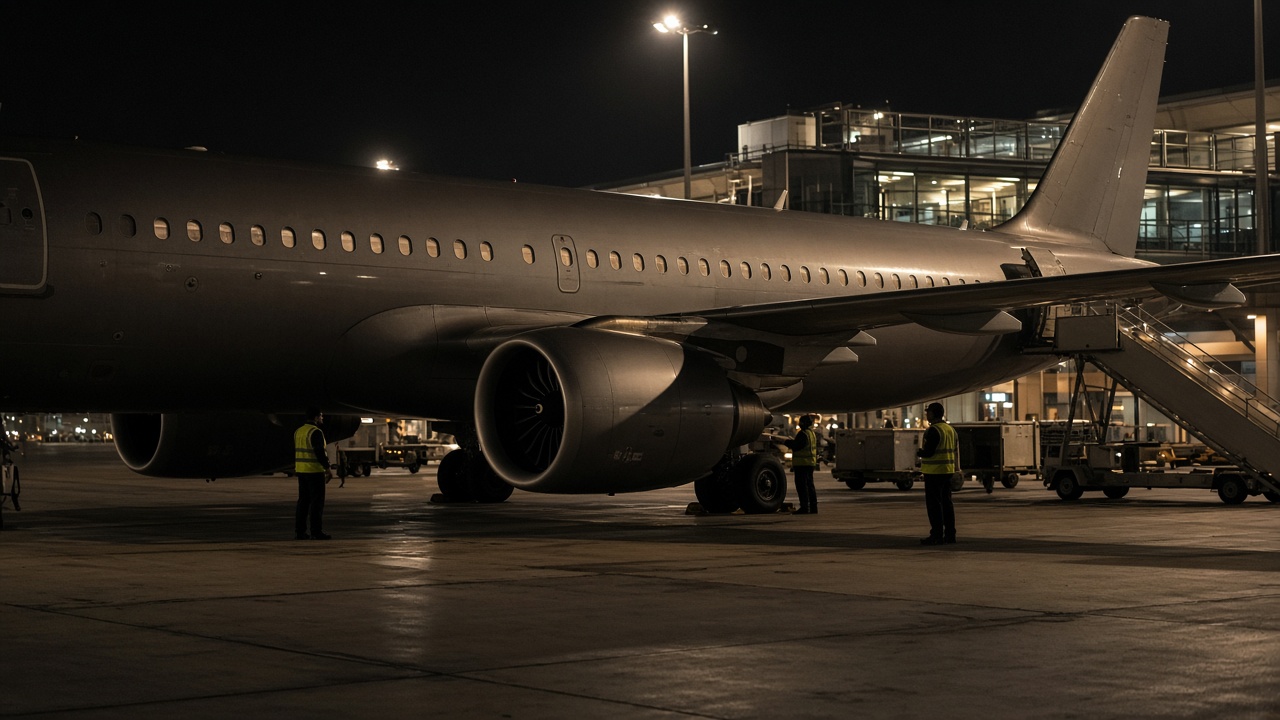
Wong said she spoke to Pether shortly before his departure and that Iraq’s government had allowed him to fly out of the capital. Images released by the Department of Foreign Affairs and Trade showed Pether seated on a departing aircraft next to Australian Ambassador Glenn Miles, a visual confirmation that the travel ban — which had kept him in limbo since his June 2025 release — had finally lifted.
How the case unfolded
Pether and Egyptian colleague Khaled Radwan were detained in April 2021 during a business meeting tied to a contract dispute involving Iraq’s central bank and their employer. Both men maintained they were innocent of fraud charges; an Iraqi court nonetheless convicted them in 2021 and imposed large fines alongside prison terms.
Pether, an Australian citizen who had been living in Dubai, became one of Canberra’s highest-profile consular cases. Wong’s office said the government raised his situation with Iraqi authorities more than 200 times, including at senior political levels, while Irish officials cooperated because Pether’s family is based in Ireland.
Radwan, who also remained in Iraq after leaving prison, has left the country as well, according to reporting from the Gulf. The parallel exits suggest Baghdad moved to resolve the financial claims that had underpinned the travel bans, though Iraqi officials have not published a detailed accounting of Monday’s decisions.
What changed after prison
Pether’s release from custody last year was celebrated by supporters as a breakthrough, but diplomats quickly confronted a second barrier: Iraqi authorities kept him in the country while civil claims linked to the bank dispute were unresolved. His wife, Desree Pether, told broadcasters he was “exhausted” yet relieved, adding that the family’s happiness would fully arrive when he landed in Ireland.
The case also drew attention in Washington. The U.S. Office of the Special Presidential Envoy for Hostage Affairs pressed for Pether’s freedom in 2025, following Wong’s public appeals. Canberra has not characterised Pether as a hostage, but the overlap illustrates how commercial detentions in the Middle East can attract the same diplomatic machinery used for political prisoners.
Canberra’s next steps
Wong said Australia would continue offering consular support as Pether reunites with relatives and recovers from the detention. She thanked DFAT staff and Irish authorities without detailing any concessions Iraq may have sought in return for the exit permits.
Opposition figures and human-rights advocates have long argued that Australia should publish more of its negotiating record so other contractors understand the risks of Iraqi commercial disputes. For now, the government is treating Monday’s flight as the endpoint of an advocacy campaign that spanned two Iraqi governments and multiple Australian budgets.
Why it matters in Australia
Pether’s return lands as Parliament sits in Canberra and ministers face questions about how aggressively Australia challenges foreign court outcomes affecting citizens. Wong’s statement emphasised family reunion rather than fault-finding, but the years-long timeline is likely to fuel renewed calls for clearer travel warnings and contract insurance requirements for engineers working on state-linked projects in fragile jurisdictions.
For Pether, the immediate horizon is personal: a flight path toward Ireland and a reunion delayed since the spring of 2021. For policymakers, the departure is proof that sustained consular pressure can eventually open an airport gate — even when prison bars have already come down.