Russell Brand walked into Southwark Crown Court on Monday morning as one of the highest-profile criminal trials in recent British entertainment history got under way, with jury selection expected to consume the opening sessions of a case that could run until Christmas. The 51-year-old comedian, actor, and online commentator faces multiple counts of rape and sexual assault involving six women, allegations he denies and that date back more than two decades.
Charges and timeline
Brand is charged with three counts of rape, three of sexual assault, and one of indecent assault, covering incidents prosecutors say occurred between 1999 and 2009. He entered not-guilty pleas at earlier hearings. The Crown's case centres on women who came forward after investigative reports in 2023; Brand has accused media outlets of a coordinated smear and has built a large following through podcasts that mix spirituality, politics, and anti-establishment rhetoric.
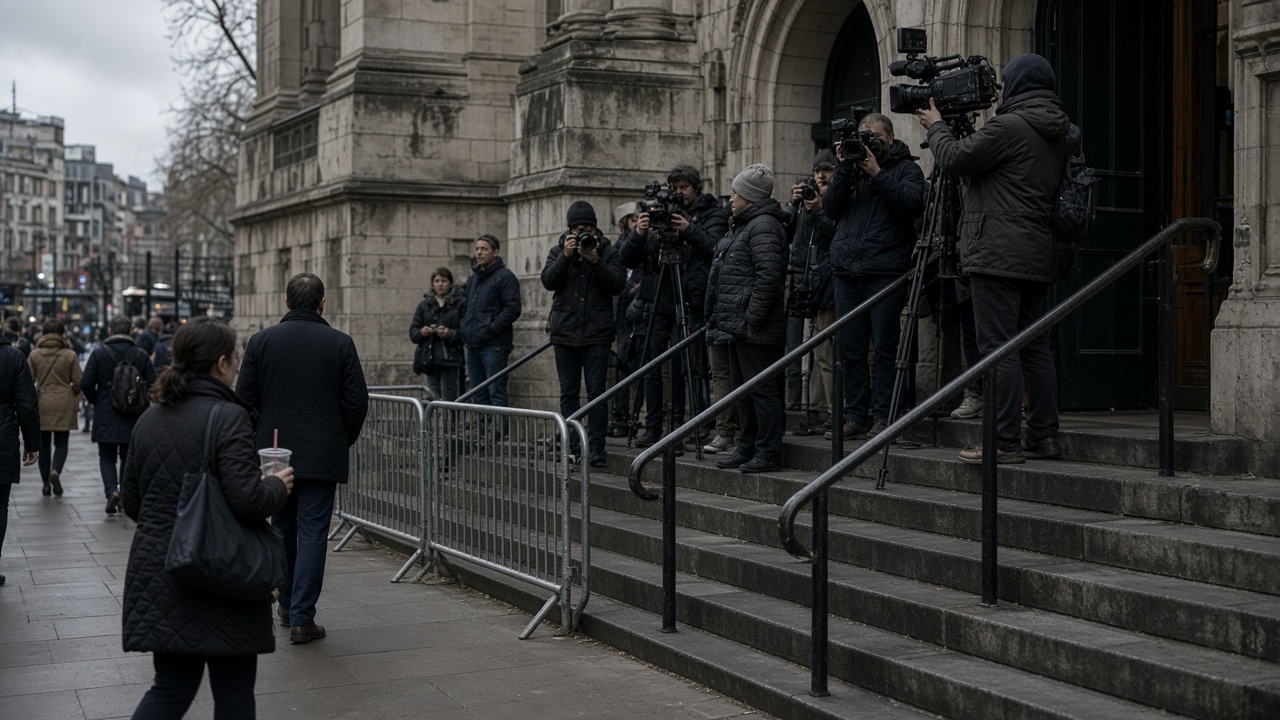
Monday's business was procedural: empanelling a jury that can sit through what judges have warned may be ten weeks of evidence. Brand arrived wearing a navy suit and sunglasses, accompanied by his wife Laura, according to reporters at the court. A substantial press pack lined the street outside the modern glass-fronted building near London Bridge, underscoring how far the defendant's public persona has shifted from BBC Radio 2 and Hollywood studio sets to a defendant's dock.
Why the trial matters beyond show business
The proceedings sit at the intersection of #MeToo-era prosecutions, legacy broadcast culture, and the power of social-media audiences. Brand rose through stand-up and became a household name hosting programmes such as Big Brother's Big Mouth before starring in films including Forgetting Sarah Marshall. His later pivot to wellness and conspiracy-adjacent commentary kept him commercially relevant even as traditional broadcasters distanced themselves.
Legal experts note that historical sex-offence trials hinge on jury assessments of memory, contemporaneous notes, and whether prosecutors can corroborate accounts from years ago. The court has imposed reporting restrictions typical of sexual-offence cases; victims are entitled to lifelong anonymity under UK law. That means much of the granular testimony will unfold in closed session even as headline writers focus on Brand's celebrity.
Court logistics and public interest
Southwark Crown Court regularly handles complex fraud and terrorism cases; fitting a ten-week celebrity trial into its diary has already displaced other listings. Security was visibly tighter than on a routine Monday, with broadcast trucks occupying bays normally used by City workers. Inside, the judge is expected to warn jurors to ignore podcasts, Telegram channels, and partisan commentary that continue to circulate online.
Brand's defence team has not previewed its strategy in public, but pretrial rulings on prior misconduct and third-party material will shape what jurors hear. Prosecutors must prove each count beyond reasonable doubt; the burden does not shift simply because accusers spoke to journalists before police interviews.
What happens next
Once a jury is sworn, the Crown will open with a chronological narrative tying each complainant to specific dates and locations across London and elsewhere. Character witnesses, communications data, and medical or counselling records may feature, subject to judicial gatekeeping. Brand remains on bail conditions that have kept him active online throughout the investigation.
For Westminster, the trial is a distraction from Prime Minister Andy Burnham's own Commons statement on Europe scheduled for later Monday. For the women at the centre of the case, the opening day was about finally presenting evidence in front of strangers tasked with deciding guilt. The verdict, when it comes, will land long after the camera crews outside Southwark have moved on.