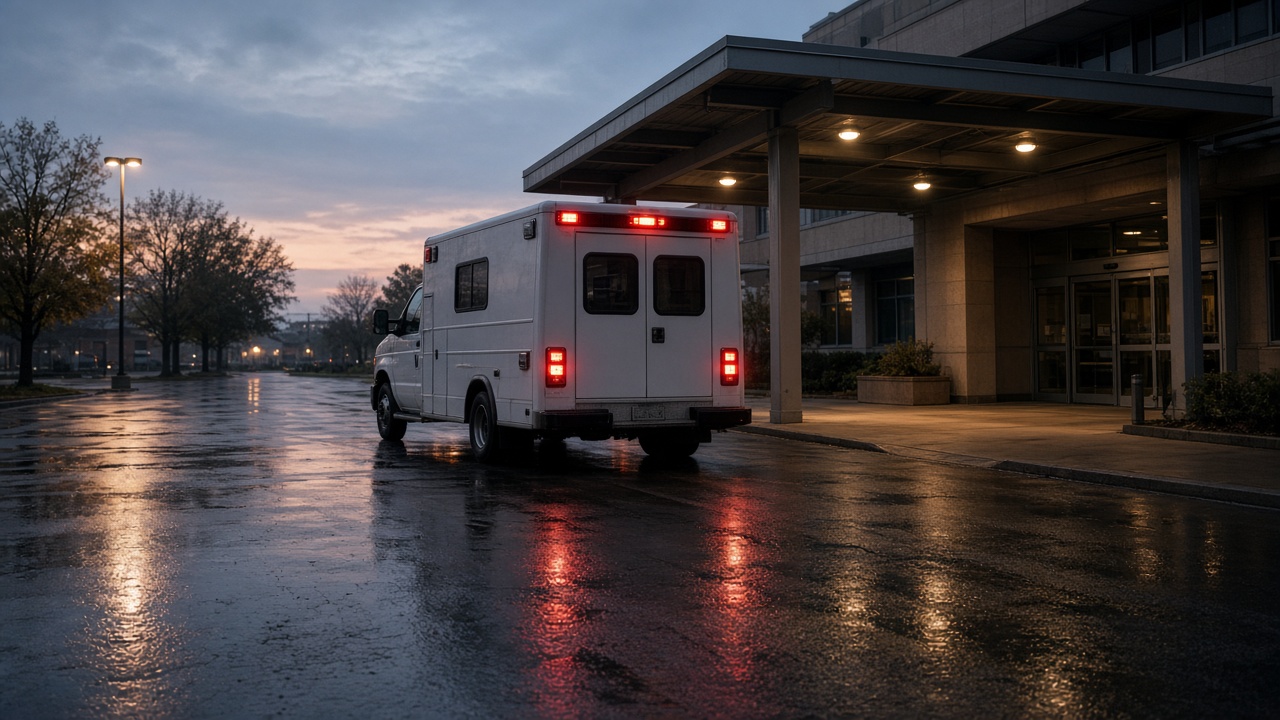
The Victorian Ambulance Union has lodged a ratio motion with state parliament’s health committee, demanding minimum two-paramedic crews on every metropolitan code-one vehicle and staffing benchmarks for rural stations before the November election. Union leaders cited Ambulance Victoria data showing outer-suburban response times blowing past targets on six of the past eight weekends.
What the motion asks
Beyond headline ratios, the union wants published monthly dashboards at the LGA level, penalties when contractors fill gaps without clinical supervisors, and a cap on consecutive night shifts. Employers would have 90 days to model costs once legislation passes—a tight window that health bureaucrats call unfunded without federal NDIS-style transfers.
The government argues it has hired hundreds of paramedics since the pandemic and opened superstations in the growth corridors. Union officials counter that population growth in Melton and Casey outpaced rostered hours, leaving single-officer rapid response units on the road longer than policy allows.
Clinical and political context
Emergency physicians at Footscray and Frankston hospitals backed the union in a joint letter, saying ramping worsens when crews are stuck boarding patients without offload nurses. Opposition health spokespeople promised bipartisan talks if dashboards show sustained breaches in three consecutive months.
Rural councils fear a metro-first rule could strip volunteers from country stations. The union proposed a separate benchmark for single-officer road ambulances paired with aeromedical retrieval within 30 minutes.
Cost and next steps
Treasury officials estimate each additional 100 full-time paramedics cost more than $25 million a year in wages, training and fleet wear. Advocates say delayed responses drive higher intensive-care bills that never appear in Ambulance Victoria’s budget line.
Committee hearings begin next week. Voters in marginal seats along the Urban Growth Boundary will hear competing ads about seconds saved on heart-attack calls—metrics that only bite when clocks are public.
Hospital offload delays
Data from several metropolitan hospitals showed median offload times above 40 minutes on Sunday night, a figure the union said correlates with single-officer units stuck boarding patients. Health department spokespeople cited nursing shortages in emergency departments, not just ambulance rosters.
Federal MPs representing outer suburbs asked whether Medicare urgent-care clinics could absorb low-acuity cases, freeing paramedics for code-one work. The union warned that clinics without imaging cannot replace emergency departments for chest pain calls.
Rural roster trials
Pilot programs in Gippsland paired community paramedics with telehealth doctors for low-acuity calls, freeing road crews for trauma cases. Early data showed mixed results in winter months when road closures complicated backups.