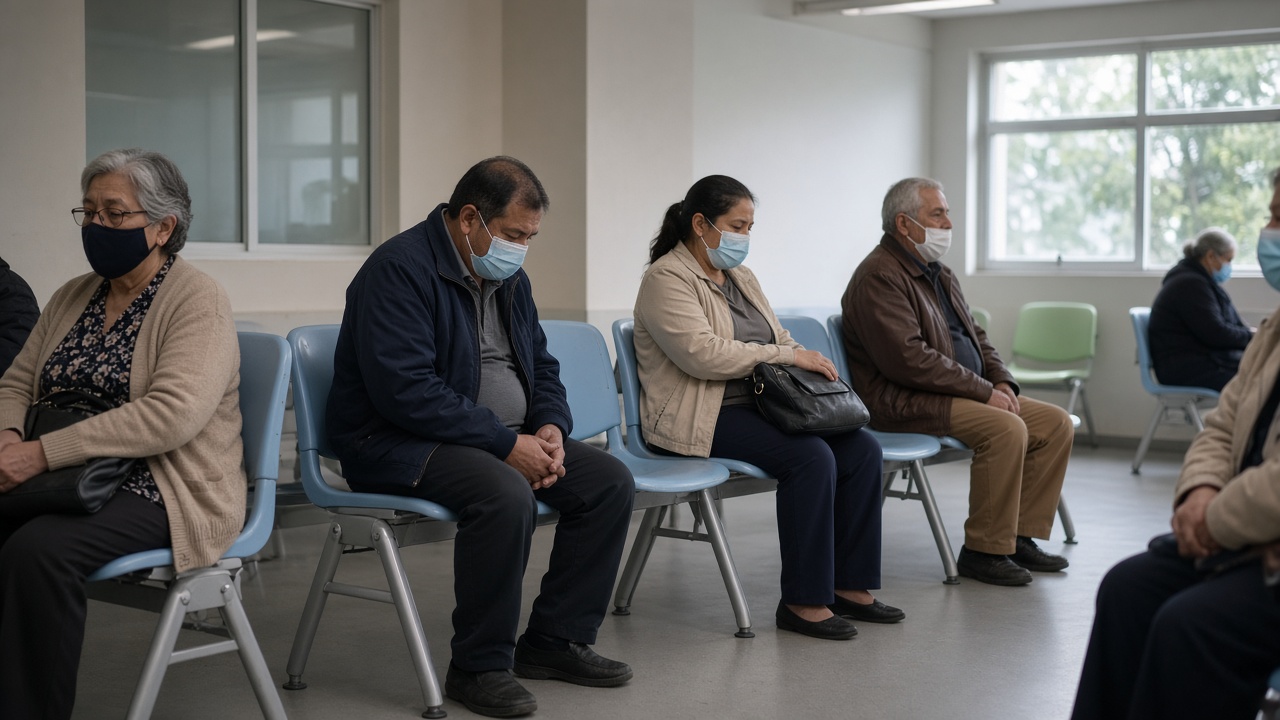
Yishun Polyclinic added a dedicated nurse triage line on Monday morning as residents with haze-related coughs and sore throats filled the registration area, the first weekday since MOH activated subsidised treatment for qualifying conditions at polyclinics nationwide.
Volunteers from the North West Community Development Council handed out bottled water at the bus interchange outside the polyclinic, targeting elderly residents who queued without umbrellas while ash-coloured skies threatened another downpour. NUHS said appointment slots for teleconsultations filled faster than usual, though doctors cannot prescribe nebulisers without an in-person assessment for first-time respiratory patients.
MOH reminded residents that subsidies apply only to listed conditions; common cold symptoms unrelated to haze still bill at standard rates. Pharmacists in the neighbourhood said demand for antihistamines rose, but they cautioned against doubling doses without clinician advice when patients already take chronic heart medicines.
National University Polyclinics, which operates the Yishun site, said the extra line separates patients seeking routine chronic care from those presenting acute upper-respiratory symptoms linked to the unhealthy air. Staff handed out NEA health advisory leaflets in English and Chinese while reminding eligible Singaporeans that subsidised consults for haze ailments cap at S$10 before any medication charges.
Who qualifies today
MOH’s list covers allergic rhinitis, asthma, bronchitis, conjunctivitis, chronic obstructive pulmonary disease, upper respiratory tract infections and complications arising from those illnesses. Pioneer and Merdeka Generation seniors pay no more than S$5 at participating Public Health Preparedness Clinics, while Public Assistance cardholders receive fully subsidised care. All citizens qualify at polyclinics under the Haze Subsidy Scheme regardless of card type.
Queue times at Yishun stretched past 90 minutes for walk-ins without appointments before the triage line opened at 8 a.m. NUHS said it would monitor bed demand at Khoo Teck Puat Hospital nearby but had not activated surge tents. General practitioners in the estate reported double the usual nebuliser appointments for asthmatic children kept home from school despite MOE’s open-campus decision.
Medication and follow-up
Pharmacies inside the polyclinic building ran low on saline rinses by mid-morning, though staff said replenishment trucks were scheduled for the afternoon. MOH asked patients not to hoard steroid inhalers, noting that subsidies apply to consults, not unlimited repeats of controlled drugs without review.
For northern residents who commute to industrial zones in the west where PSI readings hit 151 overnight, the triage line is a small operational tweak with a larger message: primary care is the first line when the air turns sour, and the subsidies only help if clinics can move people through the door fast enough.