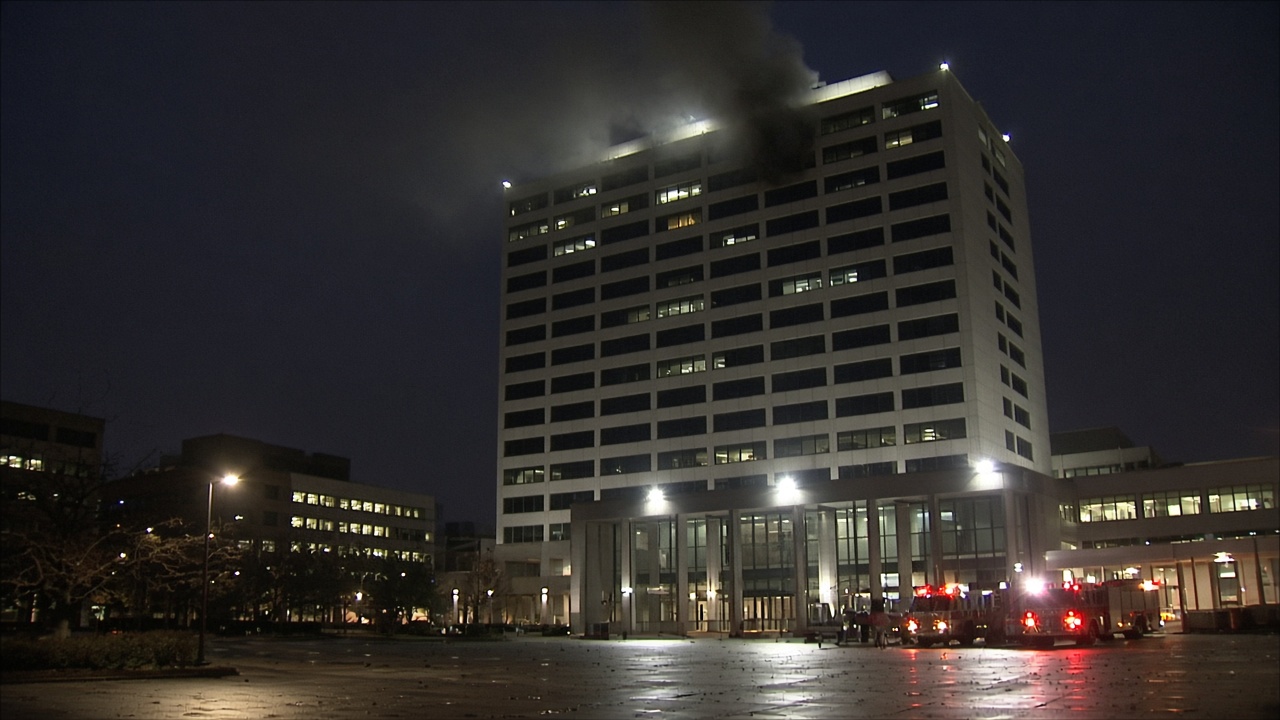
A ballistic missile struck an office tower at Saudi Aramco’s headquarters complex in Dhahran late Tuesday, damaging the upper floors and starting a limited fire that Saudi Arabia’s energy ministry said was brought under control without injuries or deaths. The hit on the kingdom’s flagship oil company came as Yemen’s Houthis escalated missile and drone salvos against Saudi cities, keeping global energy markets on edge despite repeated intercepts over Riyadh.
Reuters, citing a company source, reported that the missile hit an administrative building within the Aramco campus in the Eastern Province city of Dhahran, with fire visible on the top three floors. The Saudi energy ministry confirmed in a statement that an Aramco administrative building was attacked, that authorities responded late Tuesday, and that there were no casualties. Two people with knowledge of the incident told Reuters the tower was burning before emergency crews contained the blaze.
Intercept debris in Riyadh as salvos continue
The Dhahran strike was not isolated. Saudi civil defense said Wednesday that four people were injured in Riyadh when fragments from two intercepted Houthi missiles fell on residential areas, damaging about 15 homes. The injured included two women, a man and a child, according to a civil defense spokesperson. Authorities also reported drones and missiles destroyed over southern Saudi Arabia as the kingdom’s air defenses stayed active through the night.
Houthi military spokesperson Yahya Saree has warned that strikes could target Saudi energy infrastructure, including facilities linked to Aramco. The group has framed its campaign as retaliation for Saudi-led attacks in Yemen, where Riyadh backs the internationally recognized government against Iran-aligned Houthis. Previous weeks have already seen Aramco-linked sites come under fire, including refinery complexes near Riyadh, but a direct hit on the Dhahran headquarters campus marks a sharper symbolic and operational signal.
What Dhahran means for oil markets
Dhahran sits at the heart of Saudi Arabia’s petroleum industry. Aramco’s corporate headquarters and much of its administrative leadership are clustered there, even though the company’s largest production fields lie elsewhere in the kingdom. Traders watch any confirmed damage to named Aramco assets because Saudi spare capacity still anchors OPEC+ supply decisions and Brent pricing during Middle East flare-ups.
So far, Saudi officials have emphasized contained damage and uninterrupted response protocols rather than production cuts. Oil prices on Wednesday moved on the headline risk more than on evidence of export disruption, with analysts noting that intercept layers over major cities have repeatedly limited Houthi success even when launches are frequent. Any sustained inability to protect Eastern Province administrative hubs would be a different story for insurers and long-term investment plans.
Washington’s balancing act
The attacks land as the United States weighs how deeply to involve itself in counter-Houthi operations while trying to keep Gulf allies aligned on Yemen diplomacy. Saudi Arabia has sought U.S. intelligence and defensive systems for years; renewed strikes on Aramco property will renew congressional questions about Patriot and THAAD coverage and about whether Houthi supply lines can be interdicted without widening the regional war.
For now, Riyadh’s public messaging stresses resilience: fires extinguished, no fatalities at Dhahran, and continued interceptions over the capital. The unanswered question is whether the Houthis can repeat precision attempts against corporate nerve centers faster than Saudi defenses and repair crews can adapt.