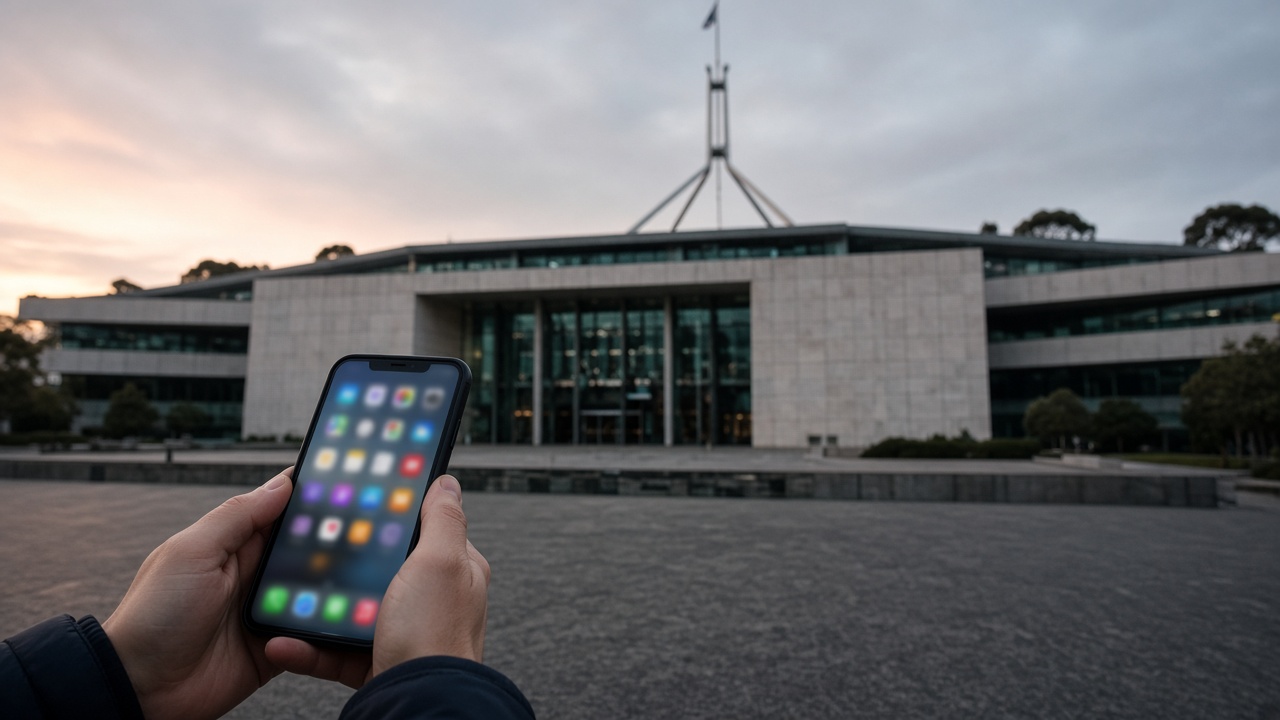
The Albanese government will introduce its Digital Duty of Care legislation to federal Parliament this week, requiring social networks, search engines and AI chat services to take reasonable steps to keep under-18s away from foreseeable online harms and to give all users more control over algorithmic feeds.
What the bill would require
The Online Safety Amendment (Digital Duty of Care) Bill 2026 builds on an exposure draft released in September. In broad terms, platforms would have to manage product features so that, so far as reasonably practicable, children encounter a safer environment. The exposure draft listed categories such as material that promotes eating disorders, hostility toward women and pornography, alongside duties to mitigate serious harm to adults.
Labor confirmed over the weekend that it has removed a controversial clause allowing the communications minister to add new harm categories by regulation. Government MPs said the change keeps the harm list anchored in primary legislation after consultation with 225 public submissions, 22 roundtables and dozens of stakeholder meetings. Communications Minister Anika Wells said Australians want big tech held to “basic standards, just like every other industry.”
The package also includes a “my feed, my way” style opt-out from algorithmic recommendations, extending work the government has already done on social media age limits. Assistant ministers campaigning in suburban electorates on Monday framed the bill as the next step after those age-delay rules, citing parent concerns at school graduations about addictive recommendation systems.
Senate arithmetic and Coalition resistance
Passage depends on the Senate, where the Coalition has attacked the duty-of-care model as a threat to free speech. Shadow communications minister Sarah Henderson said the opposition would not “rescue” the bill and accused Labor of vague definitions that could silence right-leaning podcasters. One Nation MPs have echoed those concerns while backing separate efforts to block a potential live stream of a U.S. military execution from reaching Australian screens.
Greens leader David Shoebridge said his party would vote against a weak bill, calling for a private right of action so users—not only the eSafety Commissioner—can enforce standards. The exposure draft positioned the commissioner as the primary regulator with penalties in the hundreds of millions of dollars; Particle and other outlets reported the Greens want fines tied to a percentage of global turnover, a demand that could complicate relations with U.S. tech firms.
What happens in the sitting week
The duty-of-care bill is one of three major government packages due this week, alongside gas-reservation changes and trust-tax reforms. Labor hopes to move quickly while memories of consultation are fresh, but Henderson’s call for a Senate inquiry signals a protracted fight even if the Greens strike a deal. For parents watching committee debate, the practical question is whether platforms will be forced to redesign feeds before the next school year—or whether Canberra’s latest online safety push stalls in the crossbench negotiations that now define Australian digital policy.