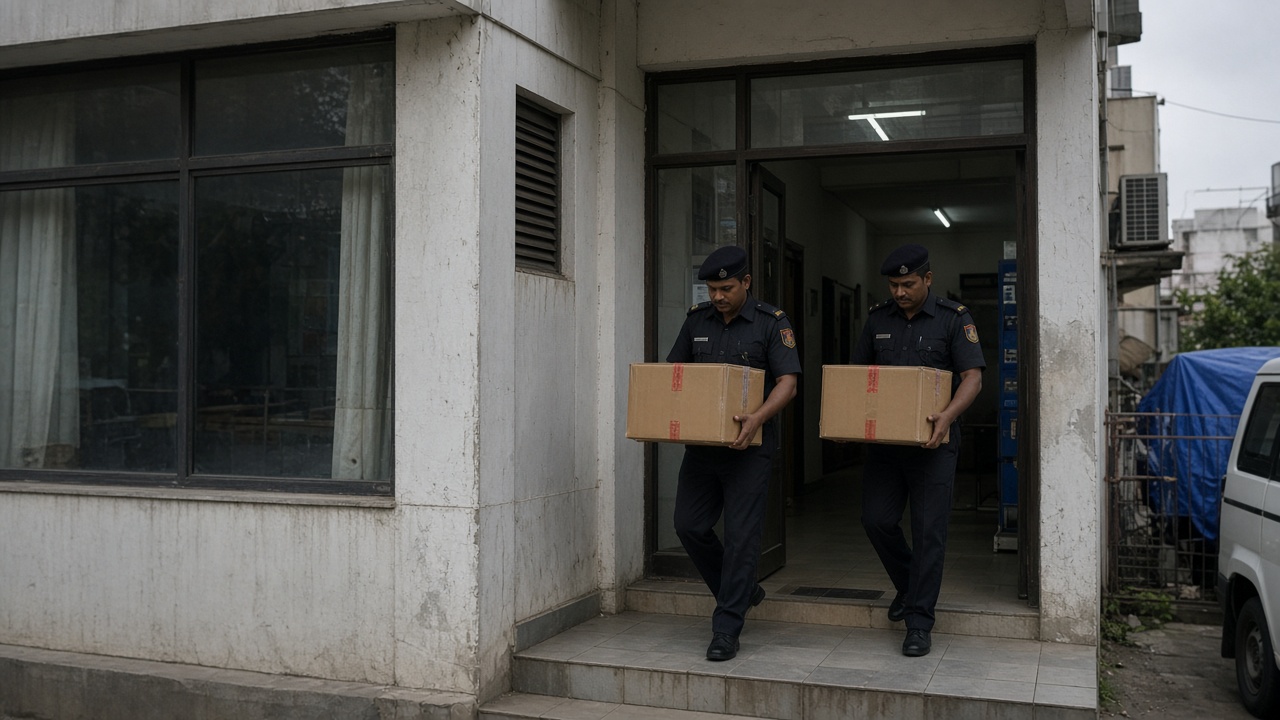
India’s Enforcement Directorate (ED) searched seven locations in Chennai on Monday as it widened a money-laundering probe into Sresan Pharma, the Tamil Nadu manufacturer of Coldrif cough syrup. The central agency acted under the Prevention of Money Laundering Act after several states banned the product and regulators linked contaminated batches to fatal poisonings among young children, most of them in Madhya Pradesh’s Chhindwara district.
Deaths, bans and a regulatory fault line
Health officials have attributed roughly 22 deaths, primarily in children under five, to toxic ingredients in Coldrif. Laboratory analysis cited in Indian media found diethylene glycol at levels far above permissible limits—reports describe concentrations around 48 percent against a 0.1 percent ceiling—turning a routine paediatric remedy into a lethal exposure. Madhya Pradesh police arrested the company’s owner on 8 October, but Monday’s ED action signals that investigators are now following financial trails rather than relying solely on state criminal charges.
The case has also exposed friction between Tamil Nadu’s drug control apparatus and the national Central Drugs Standard Control Organisation (CDSCO). Sources quoted by news agencies said Tamil Nadu officials audited Sresan in early October at Madhya Pradesh’s request yet allegedly failed to share findings promptly with CDSCO. A joint inspection in Chhindwara on 3 October documented violations, according to central regulators, while state auditors were said to have withheld test results showing the extreme diethylene glycol readings until they were released publicly—creating confusion over who knew what, and when.
What the Chennai raids target
ED teams did not immediately disclose whether Monday’s searches yielded arrests or frozen accounts. Raids under the PMLA typically aim to secure ledgers, bank records and correspondence that might show how proceeds from Coldrif sales moved through related entities. Local reports said premises linked to senior Tamil Nadu drug-control officials were among those visited, though the agency has not confirmed that detail.
CDSCO has recommended cancelling Sresan’s manufacturing licence and initiating criminal proceedings, but activists and opposition politicians argue that recommendation alone will not restore trust without disciplinary action against regulators who delayed sharing data. Parents in affected districts have demanded compensation and a transparent timeline for prosecutions, noting that similar syrup scandals in other countries prompted rapid national recalls and ministerial resignations.
Pressure on Delhi and the states
The Coldrif episode lands as the Union health ministry promotes “one nation, one drug regulation” messaging while states retain front-line licensing powers. Opposition-led state governments in Madhya Pradesh and Rajasthan are pressing for a central inquiry into import and quality-control lapses, while Tamil Nadu’s administration faces questions about oversight of exporters in Chennai’s pharmaceutical cluster.
For Prime Minister Narendra Modi’s government, the political risk is less about a single factory than about perceived gaps in protecting the youngest patients. Parliament’s health committees may summon both CDSCO and state officials once ED completes its initial forensic accounting. Until then, paediatricians across northern India are warning families to avoid unfamiliar syrup brands and to verify batch numbers against state recall lists that continue to expand as laboratories retest inventory pulled from wholesalers.
Monday’s searches do not close the clinical chapter: hospitals in Chhindwara are still treating survivors with organ injuries tied to glycol poisoning, and public-health teams are tracing distribution networks that may have pushed Coldrif into rural clinics far from Tamil Nadu.