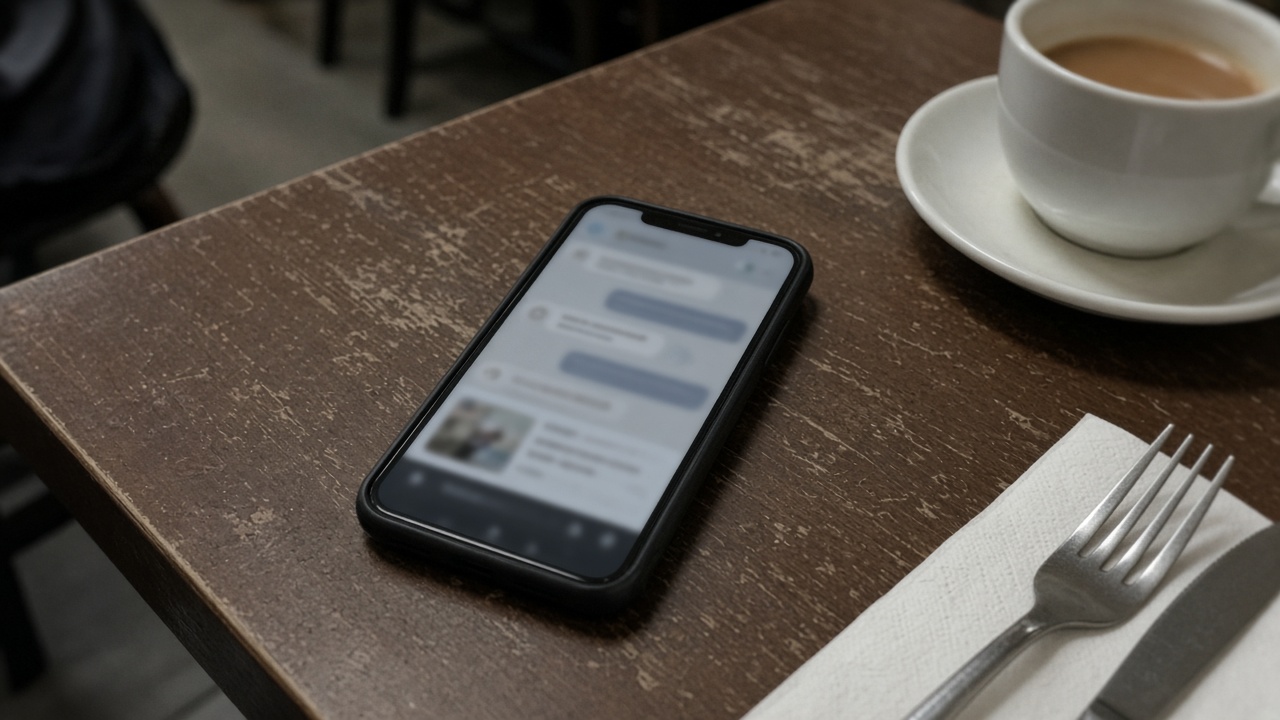
Americans are receiving text messages that show a fake Facebook Marketplace listing with their own name printed as the seller, a lure Malwarebytes flagged on October 13 that turns identity anxiety into the first move of a conversation scam.
How the message is built
Researchers analyzed an example delivered through iMessage. The text asks whether an item is still available and attaches an image that mimics Marketplace’s layout. The supposed seller name matches the recipient’s real name, which makes the message feel like evidence that someone cloned your account or listed goods in your name without permission.
That personalization is the hook. Instead of a generic “your package failed” link, the scammer gives you a reason to respond: correct the stranger, warn the buyer, or find out whether your Facebook profile is compromised. Any reply confirms the phone number is active and moves you into a longer script that may ask for login codes, payment for “verification,” or links to credential-harvesting sites.
Where the data may come from
Malwarebytes said the attacker may have started with a name and mobile number pair from an older data breach or marketing leak, then manufactured a convincing screenshot. The listing price and product photo can be copied from real Marketplace posts, so the image looks ordinary at a glance.
Facebook’s parent company Meta has not commented on this specific variant in public advisories reviewed by InfoHandle. The pattern fits a broader class of “wrong number” and “wrong person” conversation lures that spiked after carriers tightened SMS filtering on bare links.
What you should not do
Do not reply, even to say the listing is fake. Do not tap links in the thread. Do not share Facebook passwords, two-factor codes, or images of your driver’s license. Legitimate buyers on Marketplace contact you inside the Facebook or Messenger apps when you actually list an item, not through a random SMS with a static screenshot.
If you worry your account was cloned, open the Facebook app or type facebook.com directly in a browser you trust. Check Marketplace → Selling to see whether active listings exist. Turn on login alerts and review Security Checkup for unrecognized sessions. Reporting the text to 7726 (SPAM) helps carriers tag similar waves.
Reporting and documentation
File a complaint at ReportFraud.ftc.gov with the sender’s number and the date of the message. The FTC does not resolve individual cases, but complaint volumes drive investigations. If you already clicked a link and entered a password, change the password immediately, log out other sessions, and enable two-factor authentication using an authenticator app rather than SMS when possible.
Why this scam lands now
Marketplace fraud reports rose through 2025 as local pickup sales replaced some retail traffic. Scammers adapted when users learned to ignore plain phishing URLs. Personalized screenshots borrow credibility from a platform people already use weekly, and they exploit the gap between “this looks like Facebook” and “this arrived outside Facebook.”
Family plan
Teenagers and older relatives who sell used furniture or electronics are easy targets because they recognize Marketplace’s green-and-white interface. Share a simple rule: Marketplace questions stay inside the app. Texts with screenshots go to delete, screenshot for FTC, and block.
The scam does not require access to your Facebook account to use your name in an image. Treat the text as unsolicited fraud, not as proof of a breach, until you verify inside your real account.