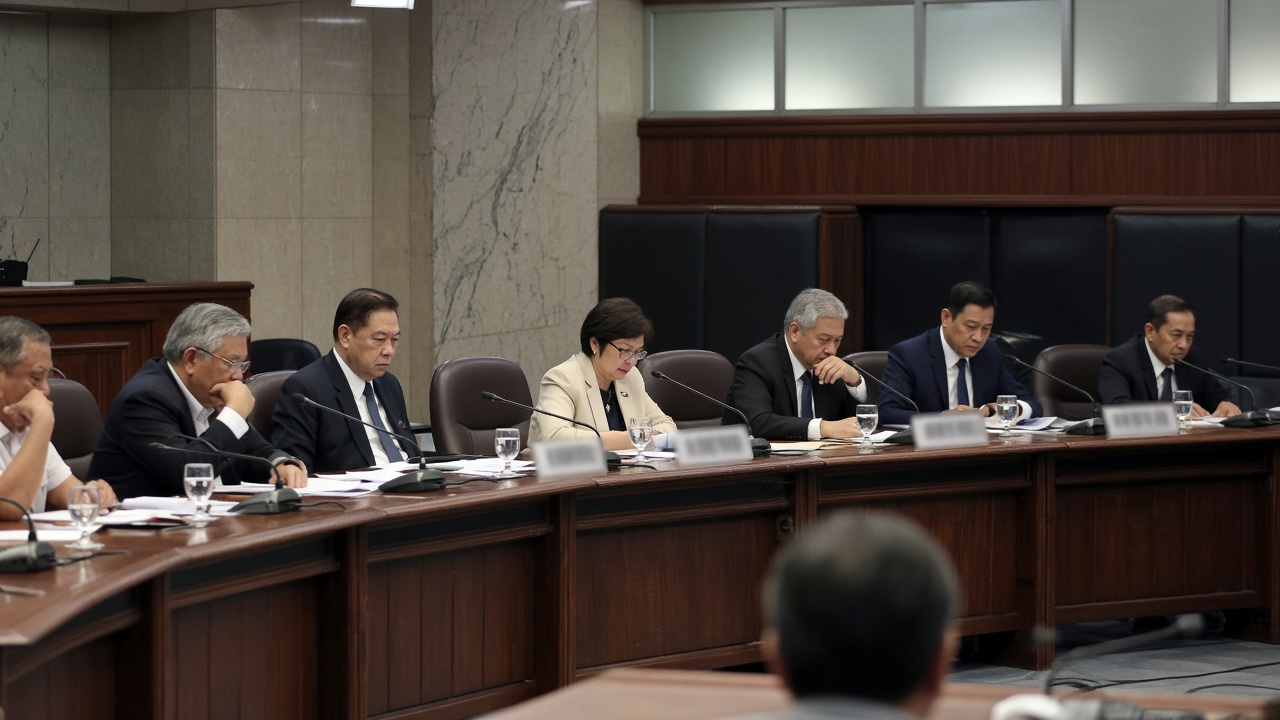
The Philippine Senate, sitting as an impeachment court, accepted on Tuesday a prosecution request to drop three of the four articles against Vice President Sara Duterte, collapsing a trial that had consumed the chamber since July into a single fight over unexplained wealth and asset disclosures.
Presiding officer Francis “Chiz” Escudero ruled that Articles I, III and IV — covering confidential funds, bribery at the Department of Education and grave threats against President Ferdinand Marcos Jr. and other officials — are withdrawn and will not be put to a verdict. Only Article II, which alleges unexplained wealth, failure to report assets in her Statement of Assets, Liabilities and Net Worth and holding business interests barred by the constitution, remains live.
What prosecutors dropped — and what they cannot revive
Lead House prosecutor Gerville “Jinky Bitrics” Luistro told the court the panel would “stand on one” charge because evidence already entered on Article II was sufficient to seek conviction and removal. She said narrowing the case would let the Senate return sooner to legislation while still answering what she called a constitutional breach on wealth reporting.
Escudero attached conditions: Articles I and IV were withdrawn with prejudice, meaning they cannot be revived against Duterte in this Congress or term. Article III on bribery was dropped before prosecutors presented evidence, so it could be refiled later, but not as part of this trial. Witnesses who testified on the withdrawn articles will not face a Senate vote on those counts, and Duterte will not present a defense solely to rebut those threads.
Timeline and political stakes
Prosecutors have 10 days — until 23 October — to file their formal offer of evidence on Article II alone. The defense must respond within 10 days of receipt. Escudero gave Duterte 26 calendar days to prepare her evidence-in-chief, with the defense presentation scheduled to begin on 9 November on a calendar trimmed by budget hearings and regional summits.
Luistro said the prosecution still expects to call dozens of witnesses on wealth tracing, including officials from the Anti-Money Laundering Council, banks and tax agencies who have already testified in related hearings. Prosecutors have cited figures ranging from roughly 817 million pesos to 1.5 billion pesos in allegedly unexplained assets; Duterte has denied wrongdoing and accused the House of fabricating the case.
A conviction would remove Duterte from office and, under Philippine rules cited by court reporters, could bar her from running in the 2028 presidential election she is widely expected to contest. Marcos administration allies framed Tuesday’s ruling as a disciplined narrowing; opposition senators warned that dropping the threat and confidential-fund articles removes public scrutiny of the most politically explosive allegations even as the wealth case proceeds.
What happens next in the chamber
Escudero said the sub judice rule no longer covers the withdrawn articles, freeing parties to comment on evidence already aired. That could fuel campaigning outside the courtroom even as senator-judges prepare for a verdict on Article II alone. For now, the impeachment clock is reset around SALN disclosures, divestment orders and whether the Senate believes unexplained wealth warrants the first removal of a sitting vice president in this framework.