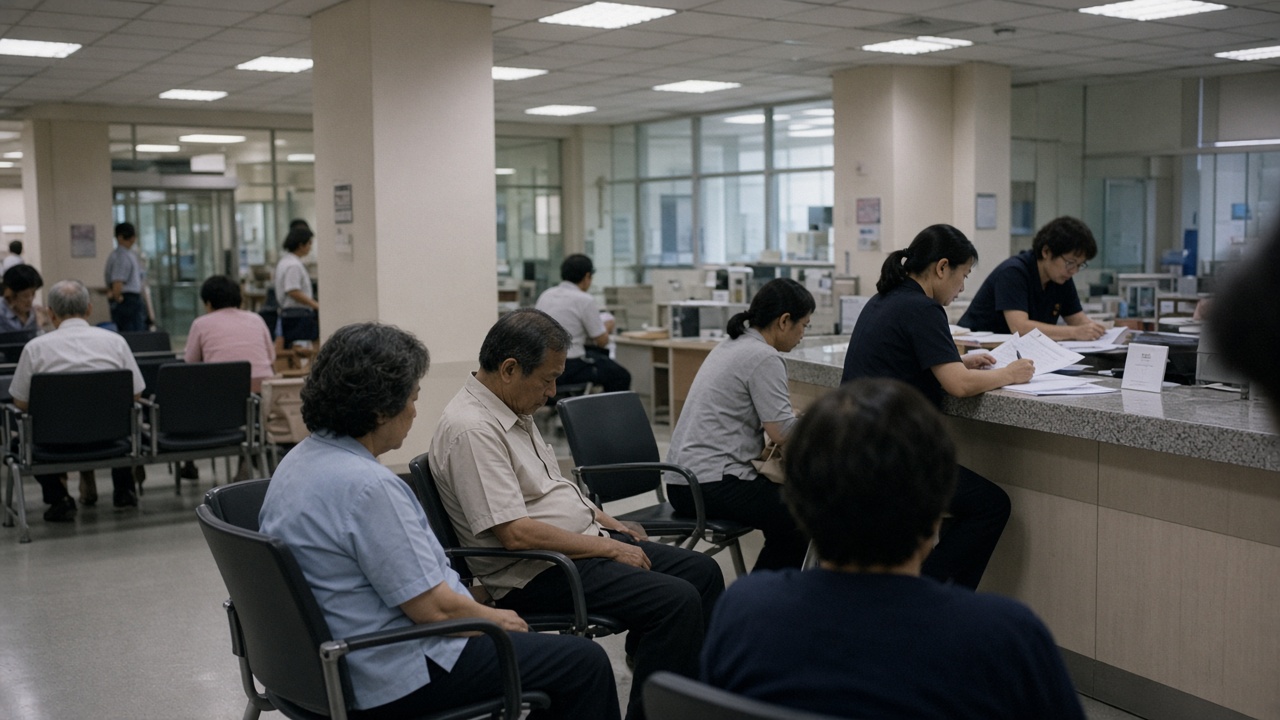
Patients arriving at Singapore’s major public hospitals faced longer queues and patchy digital services on Tuesday after technical failures rippled through all three of the city-state’s healthcare clusters, from appointment booking to visitor registration and billing desks.
NHG Health, the National University Health System and SingHealth each issued separate advisories before midday, describing disruptions that could delay outpatient visits and clog call centres even where clinics remained open. National HealthTech agency Synapxe, which runs shared systems for public providers, was working with the clusters to restore service, but none of the institutions had published a root cause by early afternoon.
Which services were hit
Singapore General Hospital and the National Heart Centre, both under SingHealth, said several digital channels were temporarily unavailable. Outpatient appointment bookings and changes could not be processed online or by phone, visitor registration slowed, and billing enquiries backed up. The hospital stressed that its call centre stayed open, asking patients to budget extra time for in-person visits.
NUHS, which operates the National University Hospital, told the public on social media that “multiple systems” were affected and that longer waiting times were likely while engineers investigated. NHG Health, which runs institutions such as Tan Tock Seng Hospital, reported similar symptoms across registration and administrative workflows.
The parallel failures across clusters suggested a shared dependency rather than an isolated ward outage. Synapxe was formed in 2023 to consolidate public-sector health IT; Tuesday’s incident is the kind of single-point failure hospitals had hoped consolidation would prevent.
Knock-on effects beyond acute wards
Even mental-health outreach was caught in the glitch. mindline.sg, the national 24-hour mental health helpline and text service, reported technical difficulties in the morning before announcing at noon that operations were fully restored. It was not immediately clear whether that outage shared infrastructure with hospital systems or simply coincided in timing.
For patients with routine follow-ups, the practical impact was administrative: staff fell back on manual processes where they could, but any workflow that required a live patient record or a confirmed slot risked delay. Elective procedures were not widely cancelled in public statements, yet consultants warned that backlog could spill into Wednesday if backups were needed overnight.
What officials have not yet said
None of the clusters characterised the incident as a cyber attack, and Synapxe had not confirmed whether the faults were hardware, software or network related. CNA reported that journalists’ questions on whether the disruptions were linked remained unanswered pending Synapxe’s investigation.
Singapore’s hospitals have invested heavily in digital triage and mobile check-in since the pandemic. A day-long impairment tests how quickly paper contingencies can absorb volume when every cluster leans on the same backbone.
Patients were urged to keep existing appointments unless contacted otherwise, to arrive earlier than usual, and to use hospital websites for updates. Restoring billing and registration is typically the priority for operators because revenue cycles and pharmacy dispensing depend on accurate identifiers — meaning IT teams may leave lower-risk systems last in the queue even as front doors stay open.