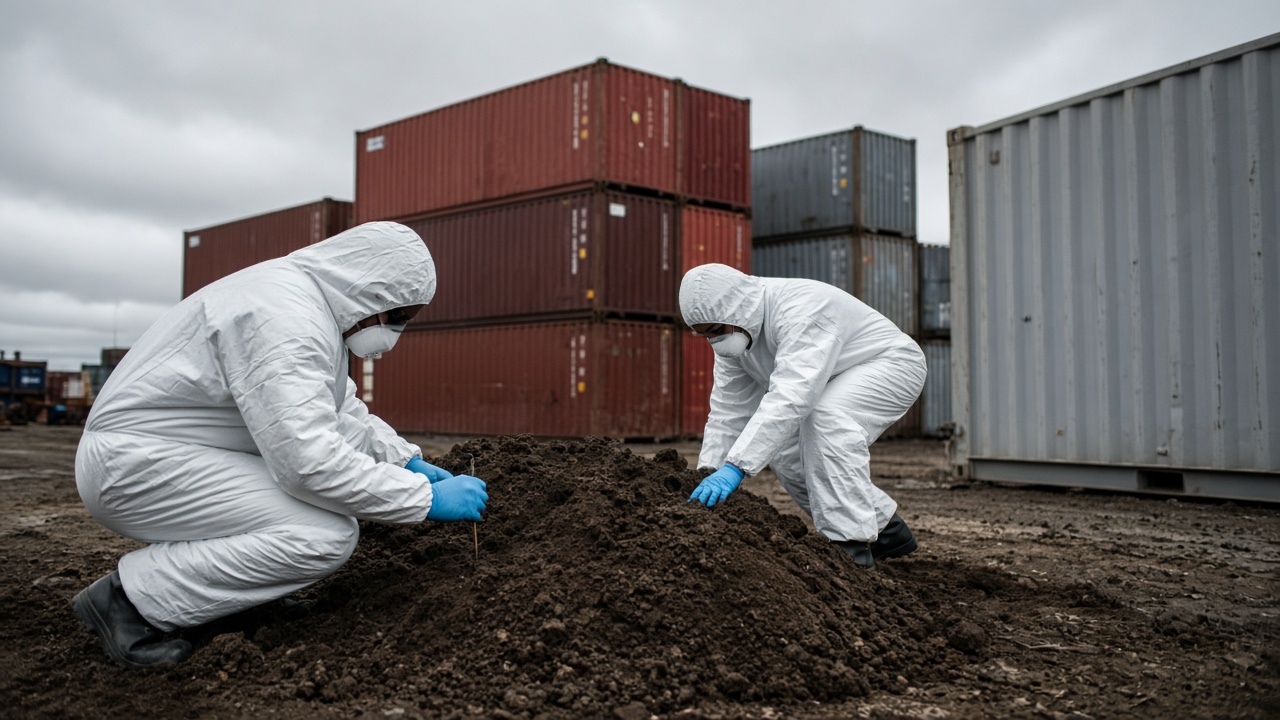
New South Wales authorities confirmed Tuesday that an imported red fire ant nest was found and destroyed at a Strathfield South intermodal yard that handles shipping containers from Port Botany, triggering an emergency inspection blitz across Sydney’s inner west.
Agriculture Minister Tara Moriarty said the colony was detected on 25 September at the logistics centre but only publicly detailed this week as surveillance teams prepared door-to-door checks. Inspectors have found no further ants at the yard itself, yet modelling suggests a high probability the insects escaped beyond the fence line.
Suburbs now on the watch list
Ground teams will sweep homes and businesses within 500 metres of the site immediately, then expand searches out to two kilometres. The zone covers or borders Strathfield South, Strathfield, Enfield, Croydon Park, Belfield, Campsie, Belmore, Lakemba, Chullora and Lidcombe—some of the city’s most densely built corridors.
Officials said there is a 93% statistical chance ants spread within 500 metres of the yard and a 23% chance they travelled up to two kilometres. Those figures come from federal biosecurity models used after previous incursions in Queensland and at Port Botany in 2014, when a smaller outbreak was eradicated.
Why a single nest rattles Sydney
Imported red fire ants deliver painful stings and can kill livestock and native wildlife when colonies establish. Unlike native ants, they form super-colonies with multiple queens, making eradication expensive once nests fragment across backyards and industrial lots.
The Strathfield South hub processes containers straight off the wharf, raising the likelihood the ants arrived in cargo rather than overland from Queensland’s long-running containment zones. Moriarty said tracing which shipment carried the colony is a priority, but inspectors cannot wait for paperwork before searching surrounding streets.
Control orders and business friction
The state government will impose biosecurity control orders across the inspection area, lasting up to two years. Residents and firms moving soil, mulch, plants or construction waste will need permits, a burden large retailers such as Bunnings outlets inside the zone are already preparing for.
NSW Farmers and local chambers of commerce urged clarity on compensation for stock that must be destroyed if ants are found on nurseries or hardware lots. Federal counterparts in Canberra said cost-sharing arrangements used in Queensland will guide any Sydney package, but dollar figures are not settled.
National stakes
Australia has spent more than a billion dollars trying to stop fire ants marching south from Brisbane. Failure in Sydney would force permanent management rather than eradication, federal officials warned Senate estimates earlier this year.
Queensland’s programme reported a record number of public reports in September, suggesting community vigilance is rising even as wet weather helps ants spread. NSW is now asking Sydney residents to photograph and report suspicious mounds rather than disturbing them, which can scatter queens.
What happens this week
Biosecurity officers will set bait stations where nests are confirmed and deploy sniffer dogs through industrial parks near the container yard. Results from the first 500-metre sweep are expected within days; a wider two-kilometre search could run for weeks if even a single worker ant is recovered off-site.
For households, the immediate advice is simple: check pot plants, bagged soil and playground sandpits, and expect inspectors with identification at the door. Sydney’s last scare ended in eradication twelve years ago. Officials say the next fortnight will show whether this detection came early enough to repeat that outcome.