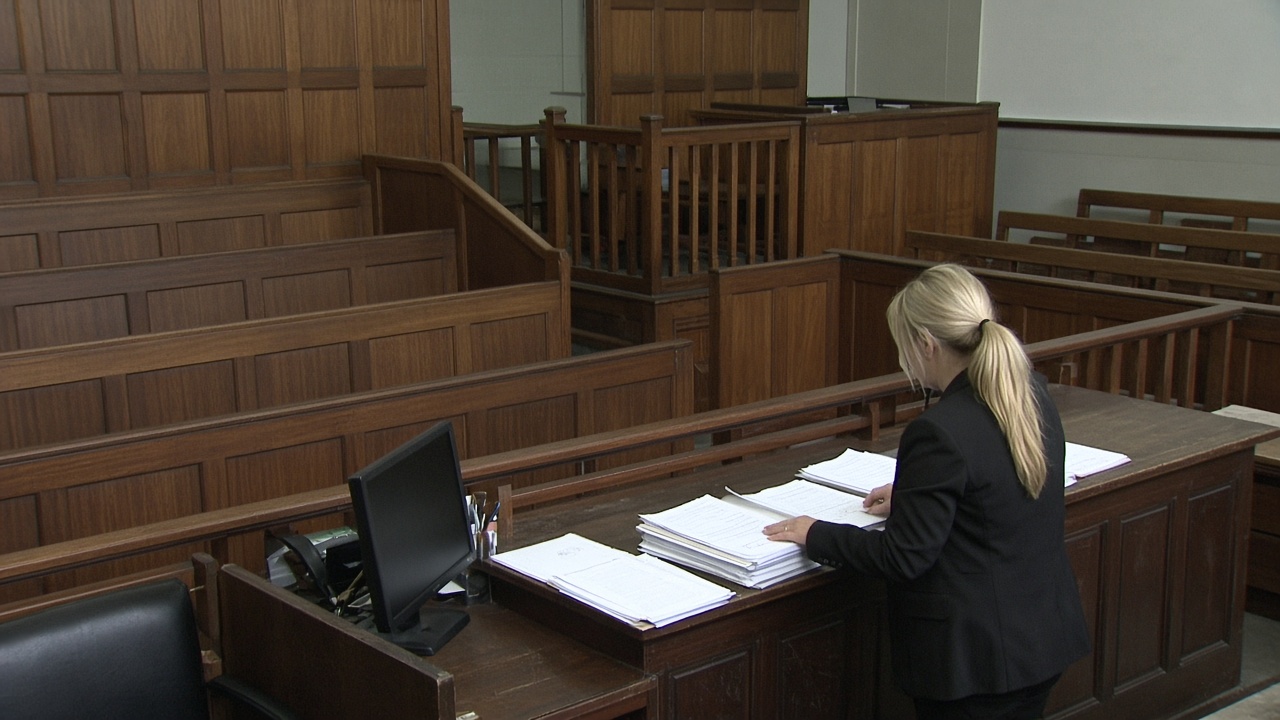
The government on Monday signed off a sweeping package to modernise England and Wales’s criminal courts, accepting more than 150 recommendations from former appeal judge Sir Brian Leveson while a second tranche of early prison releases got under way. Ministers rejected only a handful of his proposals, most notably his call to keep volunteer magistrates limited to twelve-month jail terms. Instead, lay benches will be able to impose sentences of up to two years—a change designed to keep more cases out of the Crown Court and chip away at record backlogs.
What changes in the courtroom
Leveson’s review, commissioned as delays stretched from charge to verdict, urged wider use of technology to stop hours being lost transporting defendants between cells and courtrooms. The Ministry of Justice said it would pilot appearances by video directly from police custody, building on “short trial” blitz courts that the government argues have already accelerated guilty-plea cases.
Officials also promised expanded virtual hearings and tighter scheduling so judges spend less time waiting for prisoners to arrive. The aim is practical: every wasted hour in a Crown Court slot is an hour another victim waits for resolution. Critics, including some defence solicitors, warn that remote hearings can disadvantage vulnerable defendants, and magistrates’ unions have long argued that heavier sentencing powers demand more training and legal support in the lower courts.
Prison releases and political pressure
The court overhaul landed on the same day the Ministry of Justice began the second phase of its emergency release scheme. About 650 offenders are due to leave custody on Tuesday under the plan to ease overcrowding, following roughly 700 releases on 1 October. Unlike the first cohort—limited to those serving less than nineteen months—the new waves will gradually include people serving longer terms, with the most serious releases not scheduled until next June.
Probation officers are simultaneously balloting on strike action over pay and caseloads, adding labour tension to a policy that opposition MPs say trades public confidence for temporary cell space. Ministers counter that without both releases and court reform, the system would seize up entirely, leaving victims and defendants in limbo.
What happens next
Legislation backing the criminal courts plan returns to Parliament this week after ministers dropped the most controversial proposal—a wider expansion of “blitz” courts that drew barristers’ protests. Downing Street wants visible progress before local elections, while Treasury officials watch borrowing costs that have made any justice spending pledge subject to market scrutiny.
For magistrates on the bench this month, the immediate question is simpler: whether new powers and digital pilots actually shorten the queue—or merely shift its bottleneck from prison gates to probation offices struggling to supervise a growing caseload.