Ahmedabad’s post-monsoon dengue wave is still building even though rains have withdrawn, with more than half of the city’s year-to-date cases arriving in the past six weeks.
Municipal health data released on Tuesday show 1,481 dengue cases from 1 January through 11 October, including 893 infections between 1 September and 11 October—an average of more than 21 cases per day, the Times of India reported. September alone accounted for 756 cases, and the first 11 days of October added 137 more.
Where breeding persists
Ahmedabad Municipal Corporation officials said teams intensified inspections at housing societies, commercial sites, and construction yards where water collects in curing tanks and discarded containers. Gota, Jagatpur, Chandkheda, Bodakdev, and Thaltej were among areas reporting higher infection counts; Vastral, Lambha, and Nikol also recorded cases. Civic staff urged residents to change cooler water during daytime heat and clean bird-bath containers that can harbour Aedes mosquitoes.
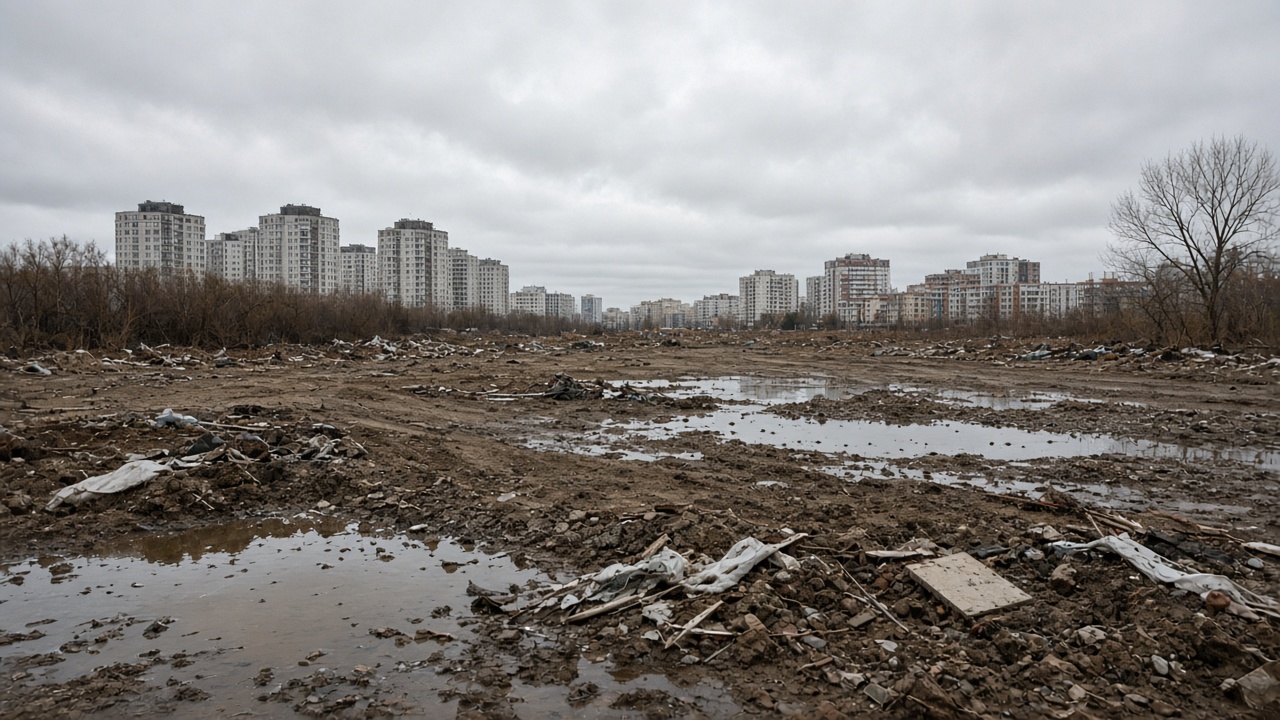
After recent showers, AMC surveyed more than 200 open plots with standing water and began draining sites while applying larvicides, according to the municipal statement quoted by the newspaper. The same bulletin tracked 468 uncomplicated malaria cases, 92 falciparum malaria cases, and 17 chikungunya infections year to date, alongside thousands of gastroenteritis and typhoid reports tied to broader monsoon illness patterns.
State and national context
Delhi’s municipal corporation reported 799 dengue cases through 10 October with no deaths attributed to dengue or malaria so far this year, PTI noted in a separate bulletin. Haryana’s tally reached 614 cases by 12 October, with Panchkula overtaking Gurugram in district rankings. Jammu and Kashmir has recorded about 1,200 cases in 2026, well below the 8,269 infections seen in 2022, yet doctors at Government Medical College Jammu warned that the critical phase can occur when fever subsides.
AMC said no dengue death figures were highlighted in Tuesday’s release; hospitals continue to triage platelet counts and hydration status.
Practical steps
Households should not wait for fogging trucks. Cover stored water, dispose of tyre and scrap piles that trap rain, and seek testing if fever persists beyond two days with body aches or rash. Employers with site offices in western Ahmedabad should audit contractor camps, where shared tanks are common breeding grounds.
The monsoon may be over on the calendar, but mosquito season ends only when nights cool enough to break the breeding cycle—or when civic action dries the last open plot.