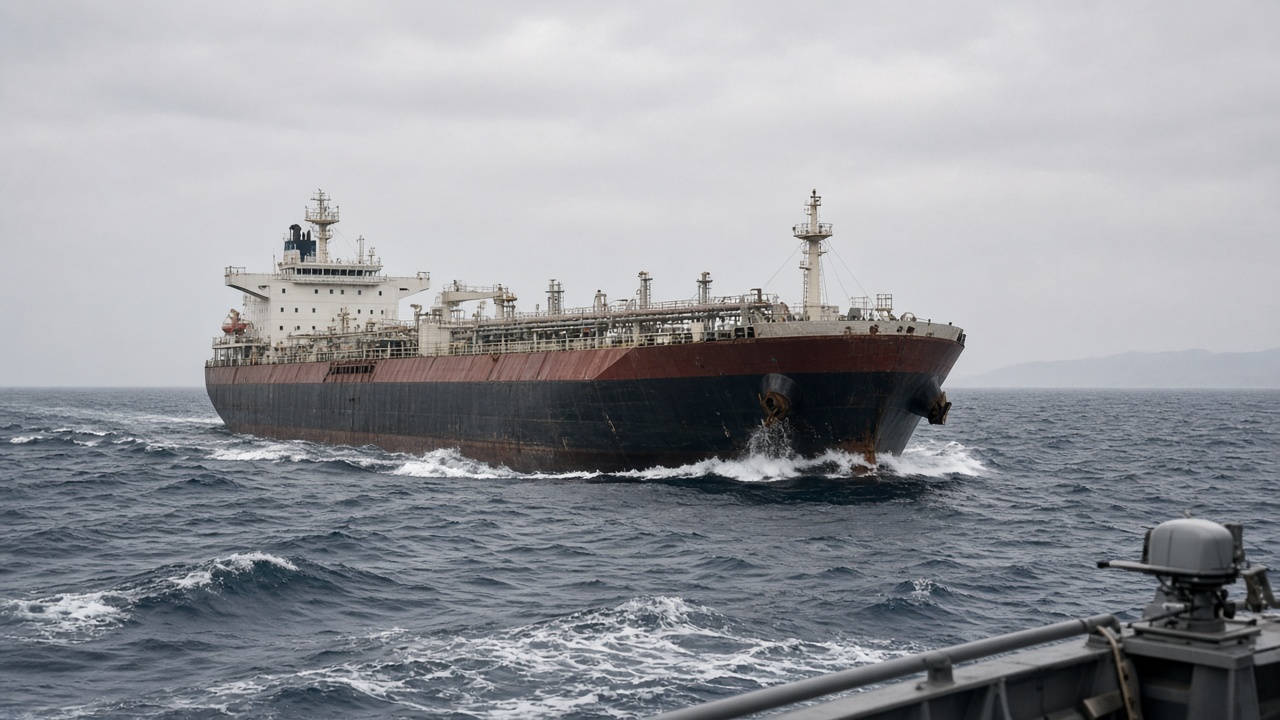
U.S. Central Command pushed back Wednesday against an Iranian claim that Tehran now controls the Strait of Hormuz, insisting that American forces and regional partners still manage traffic through the energy chokepoint even as attacks on merchant ships climbed to their worst pace since the U.S.–Israel war on Iran began in late February.
What Tehran and Washington said
Iran’s navy said this week it had deployed new operational units east of the strait and across the Sea of Oman to maintain “real-time surveillance” of enemy activity and commercial traffic, state media reported. A senior Iranian official told Reuters that Tehran shifted offensive tactics against vessels it considers in violation of its restrictions about ten days ago, partly to influence the November U.S. midterm elections.
On the American side, CENTCOM posted on X that the Islamic Revolutionary Guard Corps navy commander “has no navy” and that “American forces and regional partners clearly control the Strait of Hormuz.” The command added that U.S. forces helped Gulf partners move more than 19 million barrels of crude through the waterway on Monday alone.
Iranian security chief Mohsen Rezaei claimed Sunday that a U.S.-assisted shuttle system—using smaller vessels to transfer oil to larger tankers—was an explicit target and that Iran had been striking five or six participating ships nightly for weeks. CENTCOM’s statement was a direct rebuttal to that narrative as Brent crude futures traded above $106 a barrel.
Attacks and the traffic collapse
Maritime data firm Kpler counted ten tanker strikes in the strait between September 28 and October 4, with another on October 5. The UK Maritime Trade Operations centre separately logged 15 incidents between October 6 and October 14, including 11 in just four days, among them a container ship and a tanker hit by unknown projectiles on Tuesday.
The volume of oil moving through Hormuz has swung violently with the violence. Kpler estimated that only 2.9 million barrels transited on October 11, the lowest reading this month, down from nearly 20.8 million barrels on October 8. Before the February war, the daily average was about 17.1 million barrels.
The U.S. Navy-led Joint Maritime Information Center rated the threat to merchant shipping in the strait as “severe,” its second-highest level, citing continued IRGC drone overflights, surveillance of commercial traffic and occasional radio hailing of passing ships.
Tactics on the water
A U.S. military official told Reuters that after American strikes degraded much of Iran’s radar network, IRGC spotters began operating from traditional dhows, calling in targets—including U.S. naval vessels—to shore-based units. U.S. forces confronted one such boat, ordered its crew off and destroyed the vessel, the official said.
Analysts caution that neither side fully “controls” a waterway that still moves a fifth of global crude and liquefied natural gas when insurers, bonuses for crews and Gulf diplomacy allow passages to resume. For now, the argument is playing out in nightly strikes, public statements and the daily barrel count that traders watch as closely as any battlefield map.