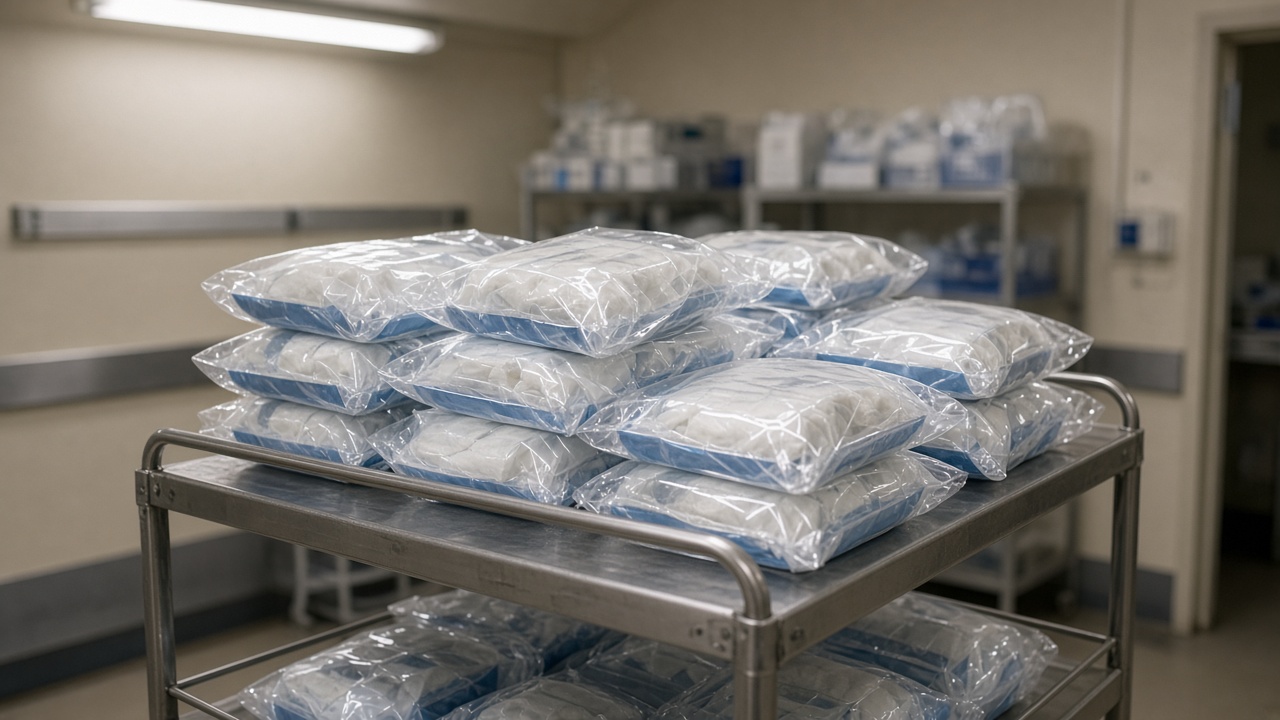
The Food and Drug Administration elevated a Medline Industries recall of surgical kits containing BD ChloraPrep skin-preparation applicators to Class I, its most serious category, citing potential fungal contamination that could cause bloodstream infections or sepsis.
Class I does not mean injuries have been confirmed in every case. It signals regulators believe the hazard is severe enough that hospitals must stop using affected stock immediately. Medline distributed kits that included ChloraPrep one-step applicators used to disinfect skin before IV lines, catheters, and surgical incisions.
Contamination concern
According to agency summaries, testing linked some applicators to Aspergillus penicillioides, an environmental mold. Introducing mold spores during skin prep can seed infections at catheter sites or in surgical wounds, especially in immunocompromised patients. Complications listed by the FDA include prolonged hospitalization, removal of IV lines, and additional surgeries.
BD initiated a broader applicator recall earlier in 2026; Medline then notified customers that certain convenience kits bundled the affected components. The Oct. 13 classification update formalized the highest risk label on the Medline distribution chain.
If you are a patient
Most consumers will never see the kit itself—the prep happens at the bedside. If you had an outpatient procedure this month and develop fever, redness spreading from an IV site, or unexplained fatigue, call your clinician and mention recent hospital care. Keep discharge paperwork that lists the facility and date; hospitals track lot numbers internally.
Elective surgery patients waiting on scheduling should ask whether the facility pulled Medline kits from inventory. Ambulatory surgery centers and dialysis clinics also buy bundled prep trays; they are not limited to major hospital systems.
Facility actions
Providers should quarantine identified lots, follow Medline and BD return instructions, and substitute alternate prep agents cleared by their infection-control committees. Facilities must document lot removals for accreditation surveys.
As of mid-August reporting cited in FDA materials, Medline had not confirmed deaths tied to the issue, but Class I recalls still trigger mandatory reporting pathways. Patients can search the FDA’s medical device recall database by product name and report adverse events through MedWatch.
The recall is a reminder that “sterile” packaging is a supply-chain outcome, not a guarantee. Until hospitals confirm replacement stock, ask what skin prep will be used before any line is placed—and expect nurses to welcome the question.
Supply-chain timing
Hospitals already stretched by generic drug shortages cannot easily swap skin prep brands without formulary meetings. Infection-control pharmacists may authorize temporary use of alternate chlorhexidine products from competitors not named in the recall, but that takes hours, not minutes.
Home health agencies that stock starter kits for IV antibiotic infusions should check whether their distributor sourced Medline bundles. Patients on long-term central lines face the highest stakes if prep was compromised weeks ago; clinicians may order blood cultures even without symptoms when lot numbers match.
BD’s separate applicator recall means the same chemical brand appears in multiple distribution paths. Facilities should not assume they are clear because they buy direct from another wholesaler.
Outpatient surgery centers should post lot-number holds on prep rooms until supply managers confirm replacements arrived. Staff who prep skin for dialysis catheter placements use the same applicators; those clinics often lack hospital pharmacy backup stock.
Regulators may expand testing to other sterile liquid products stored at room temperature. Patients scheduled for port placements or PICC lines this week should ask whether the facility substituted an alternate chlorhexidine brand cleared by its infection committee.
Long-term care facilities that stock bedside kits for wound care should inventory any ChloraPrep-branded applicators and quarantine them until pharmacy confirms lot status.
Surgery schedulers may need to brief patients on possible delays if prep supplies are swapped mid-week; documenting that conversation reduces confusion when consent forms list a specific antiseptic brand.