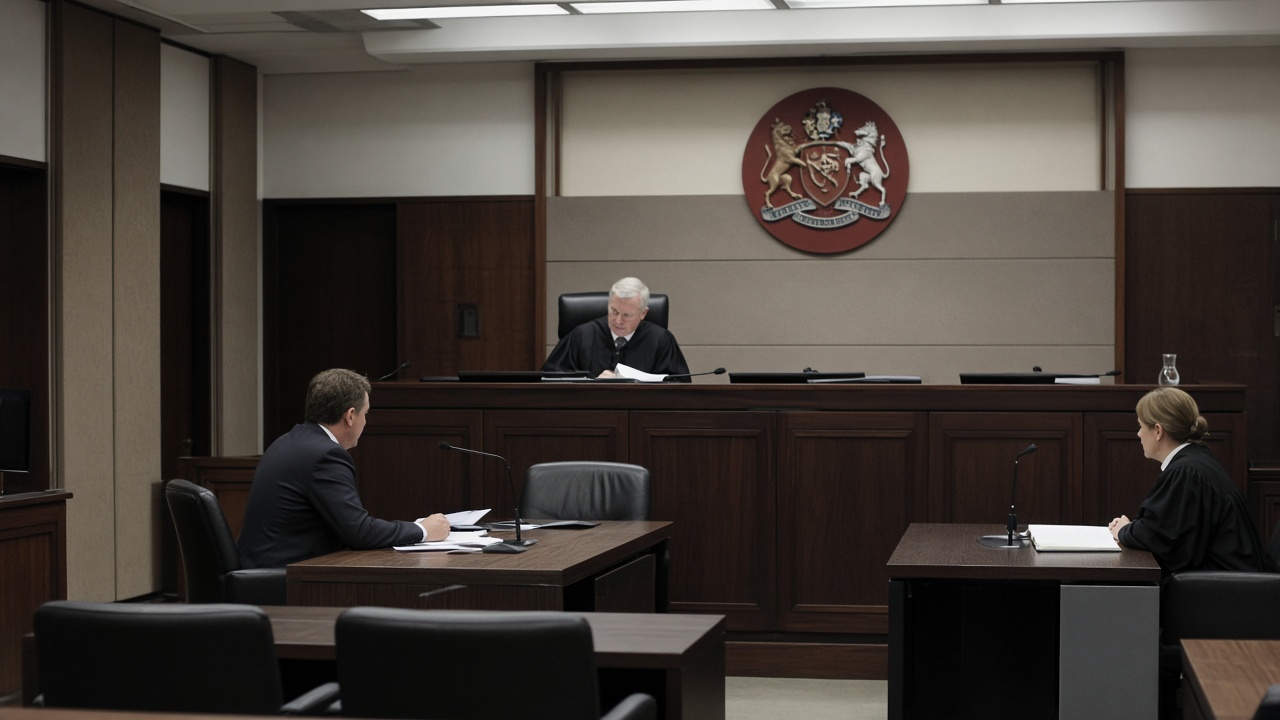
A Federal Court judge has declared invalid the Aboriginal Protection Order that blocked Regis Resources’ McPhillamys gold mine in central New South Wales, reopening a path for one of the state’s largest proposed precious-metals projects after more than a year in legal limbo.
Justice James Stellios ruled on Wednesday that then-environment minister Tanya Plibersek acted outside her powers when she used the order to protect part of the mine footprint near Blayney in August 2024. The judge said the appropriate remedy was to refer the proposal back to the federal environment portfolio, now held by Murray Watt, for a fresh decision.
What the court found
Regis launched the challenge months after Plibersek’s order halted work on tailings storage that the Wiradjuri Traditional Owners Central West Aboriginal Corporation argued would destroy culturally significant land. The company maintained the protection instrument was legally flawed and that an alternative tailings design could limit damage while still allowing mining.
Stellios heard two days of argument in December 2025. In a short sitting on Wednesday he said Regis had succeeded and that Plibersek’s declaration “is invalid.” He ordered the parties to file written submissions on costs by 27 October. The judgment does not automatically approve the mine; it removes the federal barrier that had frozen federal approvals tied to the protection order.
Stakes for Regis and the Central West
Regis has pitched McPhillamys as a billion-dollar development that could extend the company’s presence in the Lachlan Fold Belt. In its 2025 annual report the miner said engineering on an alternative tailings facility was “well advanced” and that it was targeting a final investment decision in the first half of 2028 if approvals aligned.
Traditional owner groups and environmental campaigners had backed Plibersek’s intervention, arguing federal law should shield sacred sites from open-cut disturbance. Wednesday’s ruling shifts the political burden back to Watt, who must decide whether to reissue protections, approve modified conditions, or allow the project to proceed under state and federal environmental law.
What happens next in Canberra and Blayney
Watt’s office had not published a response at the time of the judgment. NSW planning approvals for parts of the mine remain in play, but federal heritage and biodiversity assessments often gate finance for large gold projects. Banks and offtake partners typically want certainty on tailings and cultural heritage before committing capital.
For communities around Blayney, the decision restarts a debate that has split local councils, farmers and Indigenous representatives since Regis expanded its exploration footprint. Supporters cite jobs and royalties; opponents warn of water-table risks and irreversible harm to ceremonial country. With the protection order voided, both sides are expected to lobby Watt ahead of any new federal determination, while Regis continues engineering work on the alternate tailings plan the court case kept on the drawing board.