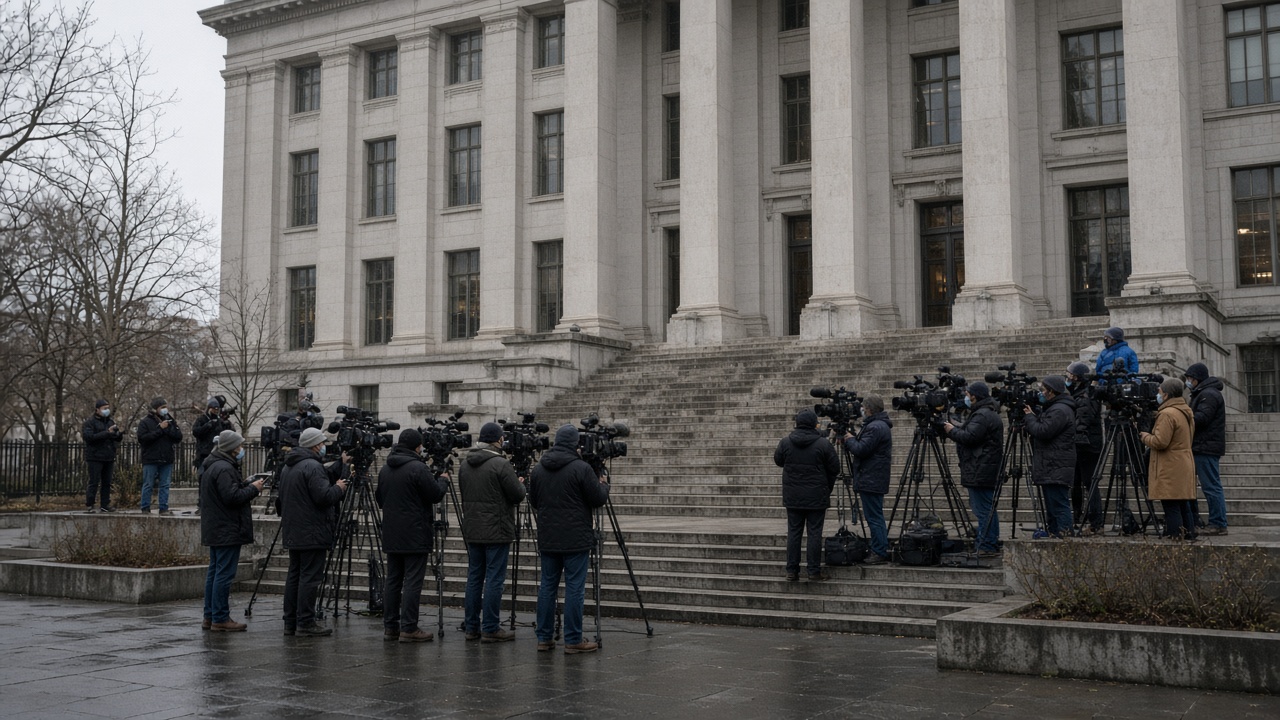
U.S. District Judge Timothy Kelly issued a preliminary injunction late Tuesday blocking the Trump administration from enforcing its ban on CNN, Politico and MS NOW inside the White House complex, handing the three outlets a longer-term reprieve while their First Amendment challenge moves forward.
The 26-page order replaces a temporary restraining order Kelly had already granted and keeps roughly 78 journalists with previously vetted hard passes from losing workspace access while the case is litigated. President Donald Trump had announced the ban on Sept. 18 on Truth Social, calling the outlets' coverage "FAKE NEWS" and warning that other organizations could follow.
What the injunction restores — and what it leaves out
Kelly's ruling requires the White House to allow the plaintiffs back into the complex for the duration of the lawsuit. It does not, however, order the administration to restore every form of presidential access. Lawyers for the outlets noted that reporters from CNN and Politico have been blocked from the Oval Office and from Air Force One travel in recent weeks, and Kelly's injunction does not explicitly compel those pools to reopen.
That distinction matters for day-to-day coverage. Hard passes govern routine movement inside the West Wing campus — briefings, stakeouts, press offices — while pool rotations for the Oval and the presidential aircraft are negotiated separately among the White House Correspondents' Association and individual networks. Boutrous, the outlets' lead attorney, said after the ruling that restoring complex access was essential but that full parity with pre-ban coverage could still require further court action.
National security claims versus viewpoint discrimination
At a hearing Thursday, Justice Department lawyer Michael Velchik argued that White House access is a privilege, not a right, and asked Kelly to lift the earlier restraining order. The administration later framed the ban as a national security response, with Trump posting that the outlets' reporting posed a threat that "must be stopped, NOW!"
Kelly rejected that framing as retroactive. He wrote that there was "practically nothing national security-related in the record" tied to the decision to revoke passes, and that Trump's own statements — including a recent Time magazine interview complaining about "bad story after bad story" — showed the ban was driven by content. "President Trump likely banned Plaintiffs from the White House because he believes that their reporting is generally inaccurate and biased against him," Kelly concluded, finding likely violations of reporters' speech and due process rights under D.C. Circuit precedent the judge said he was bound to follow.
Appeals, parallel probes and the calendar ahead
Trump said before the opinion landed that he would appeal. The White House did not immediately comment after Kelly signed the injunction. Boutrous said the harm from weeks without access was "profound" and thanked the court for enjoining what he called an "unconstitutional ban."
The fight sits alongside a separate Justice Department announcement last week that antitrust investigators are examining five major television networks, including CNN and NBC, after networks briefly declined to supply pool coverage while the three banned outlets were locked out. That probe is distinct from Kelly's docket but adds pressure on executives weighing how to share footage of a president who has tied access to favorable coverage.
For now, Kelly's order keeps the hard-pass journalists inside the gates until he or an appellate court rules on the merits — or until the administration offers a process that satisfies the D.C. Circuit's due-process tests. Neither side has proposed such a framework on the public record, and the case is likely to remain a live test of how far a White House can condition press access on editorial tone.