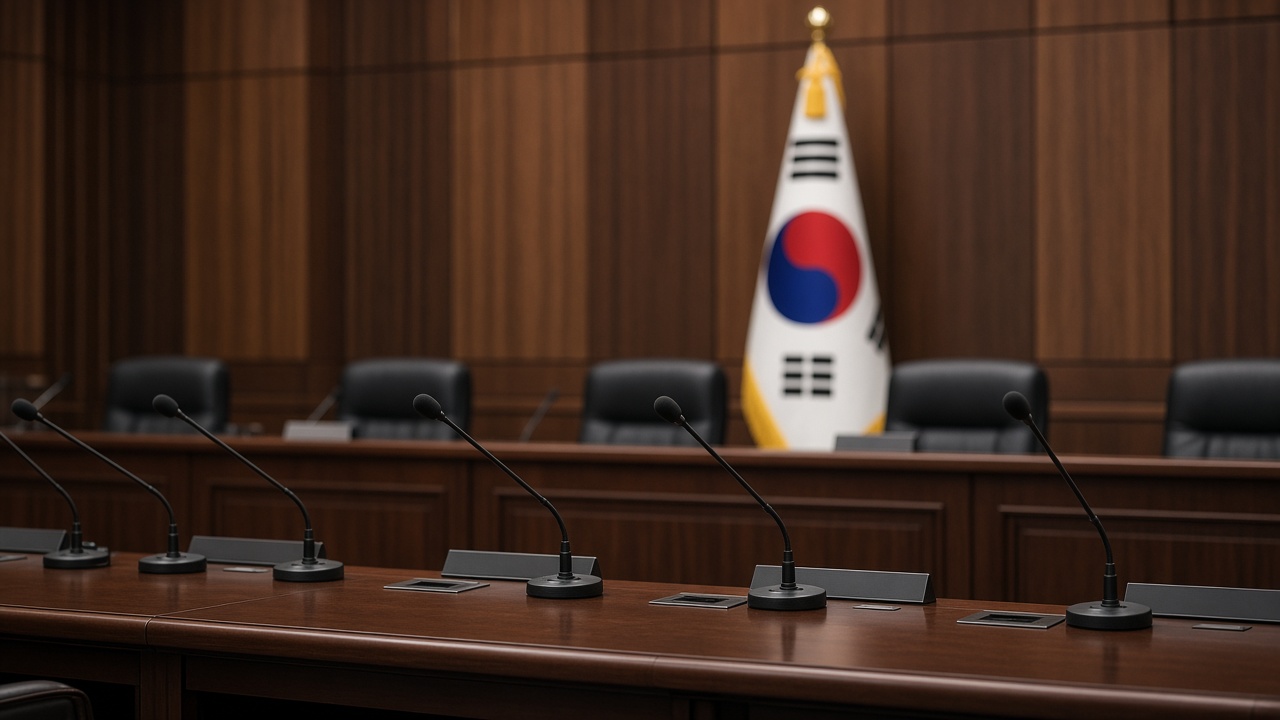
Lawmakers on the National Assembly's public administration and security committee began questioning Kim Ji-yong on Tuesday as President Lee Jae-myung's nominee to become the first chief of the Serious Crimes Investigation Agency, a post created to split major investigations away from the prosecution service.
The hearing arrives 37 days after Interior Minister Yoon Ho-jung submitted Kim's name and two weeks after Lee overruled internal vetoes from liberal factions who call Kim a "pro-Yoon" prosecutor. Opposition members focused on Kim's participation in collective prosecutor actions during the Moon Jae-in administration's disciplinary fight with then-Prosecutor General Yoon Suk Yeol.
What the agency is supposed to do
The Serious Crimes Investigation Agency was legislated as part of prosecutorial reform: it investigates grave offenses while prosecutors retain indictment power. Supporters say Kim's experience leading complex financial probes qualifies him; critics fear he will protect legacy prosecution networks.
Rebuilding Korea Party lawmakers interrupted opening statements with banners demanding withdrawal. Democratic Party Chairman Kim Min-seok urged members to keep disputes inside party channels, but several junior MPs still pledged to vote no unless Kim commits to staffing quotas from outside the prosecution guild.
A confirmation vote could come as early as next week if the committee reports out the nomination.Spillover to other justice posts
The Ministry of Justice formed a committee on Monday to recommend candidates for prosecutor general, accepting public nominations through October 21. The justice minister post remains vacant after earlier nominations collapsed, so Lee's ability to fill the Serious Crimes Investigation Agency, prosecution leadership, and the ministry in one sweep will shape whether reform looks coherent or piecemeal.
Interior Ministry inspectors also opened a probe into Serious Crimes Investigation Agency acting chief Lim Mi-ryeong after she criticized Kim's appointment, adding another layer of drama before the agency has fully launched.
Stakes for Seoul watchers
Investors mostly shrugged, but legal reform underpins every major corporate crime case in Korea. If Kim survives, expect faster transfers of high-profile stock-manipulation probes. If he fails, Lee must nominate a backup acceptable to both Democratic hardliners and the opposition—a combination that has eluded the Blue House all autumn.
Committee dynamics
Minor party lawmakers used their questioning time to demand timelines for staffing the agency's regional offices. Kim replied that he would prioritize Seoul and Busan hubs first, with Daegu following in the first quarter of next year. Civil society groups watching the livestream counted how many times he pledged independence versus how often he cited prosecution experience.
Blue House aides told reporters Lee remains committed to the nomination but is open to secondary appointments that placate critics, such as naming a reform-minded deputy from academia. That compromise could surface before the plenary vote if committee members deadlock.
Media and public opinion
Cable news split screens between the hearing and wild-card baseball, yet online portals pushed live fact-checks of Kim's testimony within minutes. That speed will matter if prosecutors later cite his committee answers in personnel disputes.