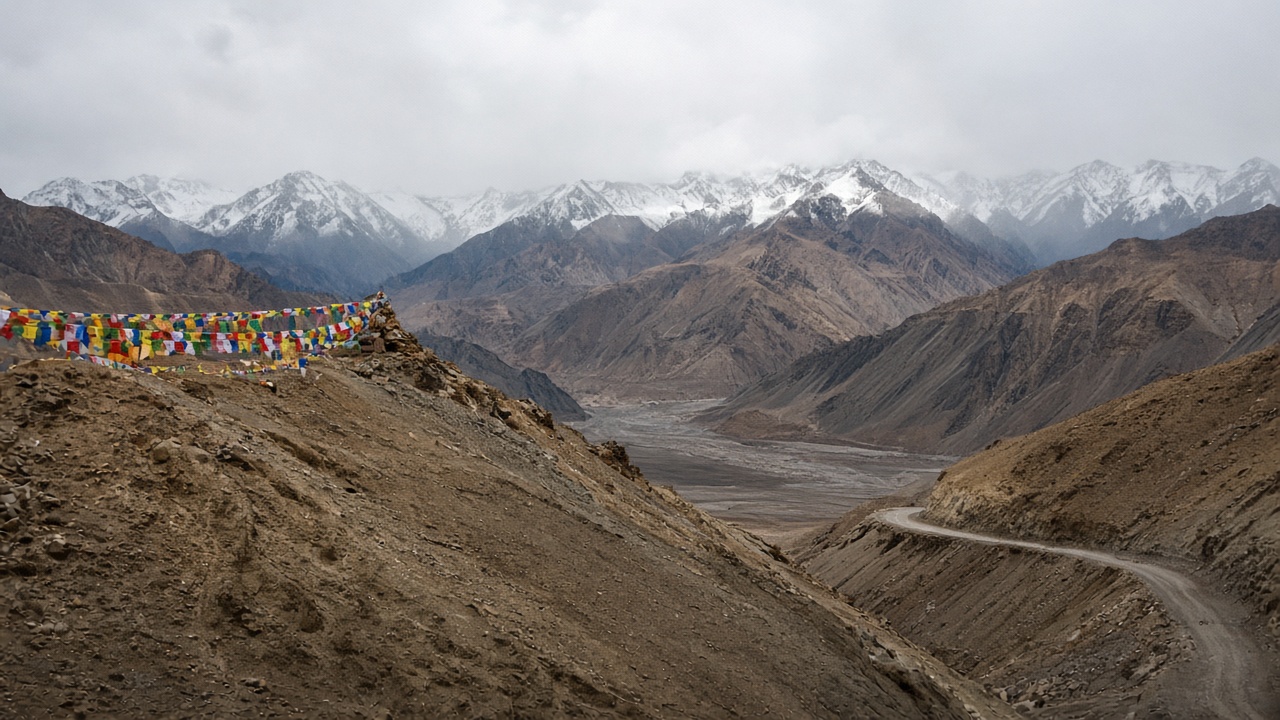
India and China traded diplomatic barbs again over Ladakh after Beijing rejected New Delhi’s decision to standardise names for 28 places and geographic features in the union territory on official Survey of India maps.
The Ministry of Home Affairs announced the naming exercise on 2 October, saying it consulted Ladakh authorities and local stakeholders so citizens could use consistent spellings in government documents and maps. Chinese foreign ministry spokesperson Mao Ning called the move illegal and reiterated that Beijing does not recognise the union territory India created in 2019, according to reports in the Times of India and other outlets.
Delhi’s response
Ministry of External Affairs spokesperson Randhir Jaiswal told reporters the home ministry statement was self-explanatory and that the listed features lie within Ladakh. “No amount of denial can change the established fact that the UT of Ladakh is an integral and inalienable part of India,” he said, pushing back on Mao’s claim that the western sector of the boundary belongs to China.
The exchange follows years of tit-for-tat renaming. China has issued its own standardised names for locations in Arunachal Pradesh multiple times over the past decade, drawing similar protests from Delhi. Ladakh’s listing includes areas India administers but China claims in the Aksai Chin sector, which makes the symbolism as important as the cartography.
On the ground
For residents of Leh and Kargil, standardized names can simplify land records, tourism signage, and disaster-response coordinates. Military planners care because consistent feature labels reduce friction in joint exercises with paramilitary units patrolling high-altitude posts. None of the diplomatic statements change deployment levels along the Line of Actual Control, where disengagement talks continue separately from press briefings.
Opposition lawmakers have urged the government to pair naming moves with clearer timelines for restoring grazing access and tourism routes curtailed after the 2020 border clash. The MEA’s latest comments did not address those domestic demands, focusing instead on rejecting Beijing’s legal characterisation.
What to watch
United Nations and Group of Twenty meetings this quarter may produce additional statements but rarely alter facts on the ground. Investors should treat Ladakh rhetoric as background risk for defence contractors and infrastructure firms bidding on border roads, not as a trigger for broad market repricing unless troop incidents resume.
Until then, the policy fight is over words on maps—and both capitals appear willing to keep issuing them.