India’s electronics and IT ministry is scaling compute procurement and sketching a multi-year silicon path as it prepares to publish a consultation paper that could reshape how artificial-intelligence products are governed.
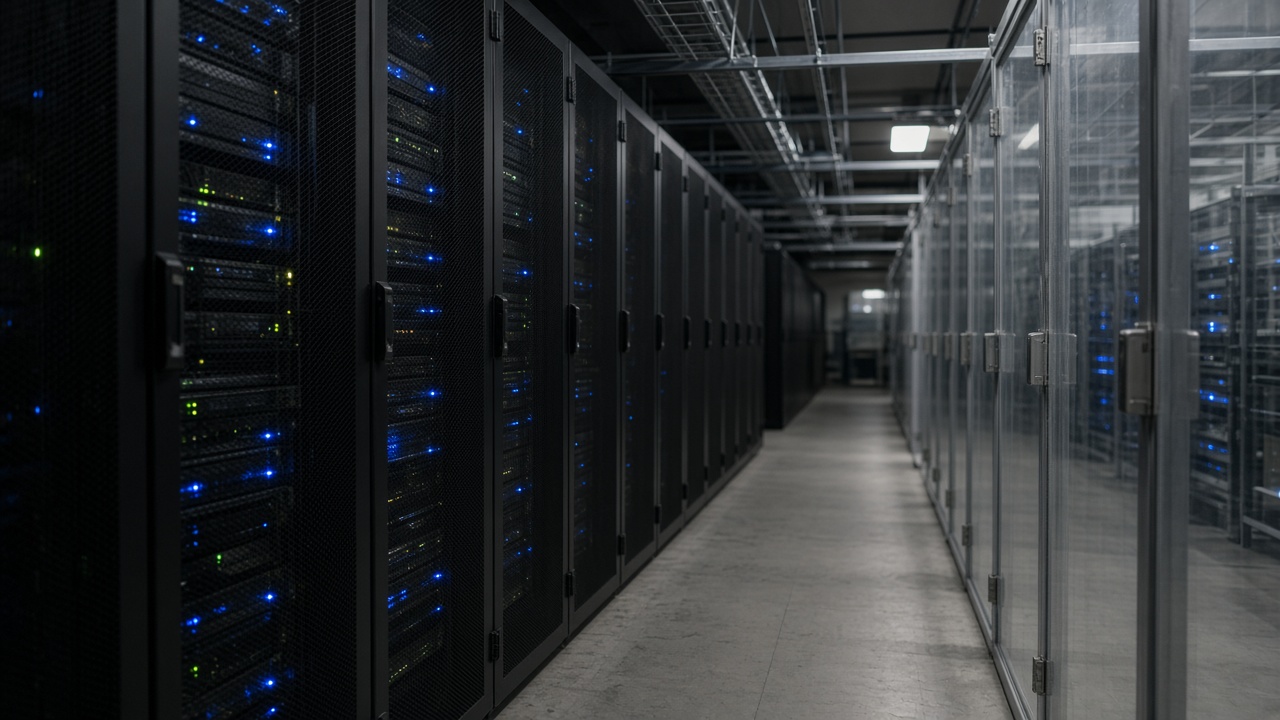
Union Minister Ashwini Vaishnaw told an audience at the India launch of the World Bank’s World Development Report 2026 that the government would procure 10,000 graphics processing units, beginning with a tender for 5,000 units under the IndiaAI Mission, according to reports in the Times of India and Business Standard. He also described a three-to-four-year roadmap for indigenous GPUs suited to inference workloads, with further details promised in coming months.
Compute before regulation
The GPU push sits inside a ₹10,372 crore IndiaAI Mission cabinet approval from March 2024. MeitY has been empaneling vendors on a quarterly cadence so startups and research labs can rent capacity without importing entire clusters ad hoc. Long-term procurement with five-year demand visibility is meant to convince global chip suppliers to prioritise Indian orders even when worldwide AI demand outstrips supply.
That compute build-out runs parallel to rulemaking. Vaishnaw said MeitY would release a regulation-focused consultation paper within about a month, covering safety, skilling, inclusivity, and harms such as deepfakes and psychological abuse. The shift marks a change from earlier government statements that existing IT rules might suffice. An inter-ministerial Artificial Intelligence Governance and Economic Group now coordinates policy across sector regulators.
Empanelment and public procurement
Ministry officials plan to empanel AI models and solutions for government use, letting approved vendors compete for departmental contracts after technical screening. For startups, the combination of rented GPUs and listed models lowers the barrier to serving ministries that previously insisted on on-premise deployments only.
Industry lobby groups will watch whether empanelment favours large cloud providers or leaves room for open-weight models hosted in Indian data centres. Export-control rules on advanced accelerators remain an external constraint; U.S. licensing decisions can still delay hardware even when rupee budgets are approved.
What builders should track
Developers should comment when the consultation paper drops, especially on liability for agentic systems that act without per-step human approval. Banks and telcos already face sectoral cybersecurity norms; a horizontal AI layer could duplicate audits unless MeitY aligns with RBI and TRAI guidance.
For now, the near-term numbers are hardware: 10,000 GPUs on order, 5,000 in the first tender, and a public timeline for domestic inference chips. Regulation will follow the silicon, not the other way around.