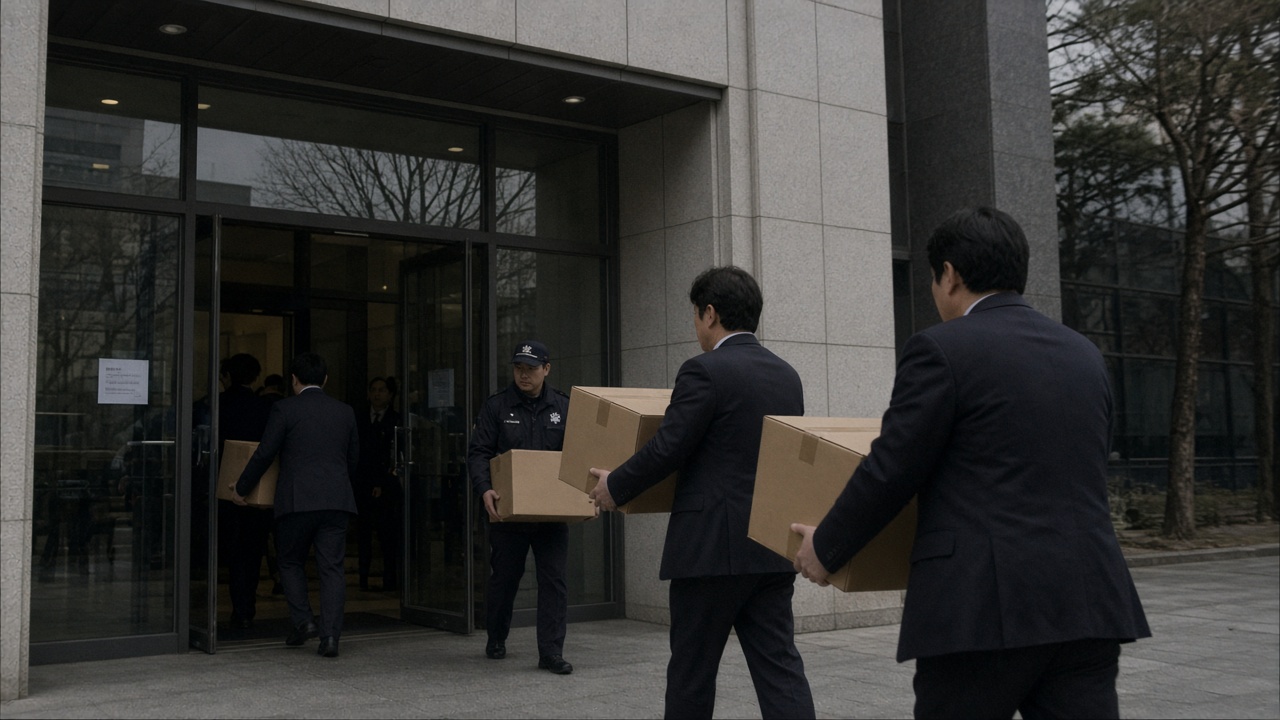
Investigators raided South Korea’s National Election Commission and election-supply firms on Wednesday morning, widening a special-prosecutor probe into how the NEC awarded contracts worth a combined 5 billion won for kits used at early voting sites and polling stations during the 21st presidential election and the ninth nationwide local elections.
The team led by special prosecutor Lee Tae-han said it searched five locations, including NEC offices and companies in Gimpo and Daegu, deploying 31 personnel with six forensic investigators from the prosecutor’s office and three from the National Police Agency. The raids target suspected occupational breach of trust and obstruction of competitive bidding, according to the Asia Business Daily.
From ballot shortages to supply contracts
The special prosecutor was appointed after widespread complaints during the June 3 local elections, when some polling places ran short of ballots and voters faced long waits. That crisis already triggered parliamentary hearings and public anger over NEC logistics. Wednesday’s searches shift part of the inquiry toward procurement: whether a particular supplier received preferential treatment on sole-source contracts for the physical kits—tents, signage, ballot handling equipment and related materials—that early voting stations require.
In a statement carried by local media, the team said it would use seized documents to establish the “factual truth” about lax management, sole-source favoritism and corporate collusion, and to “rigorously determine where responsibility lies.” The NEC has not issued a detailed public response to the latest raids as of mid-morning Seoul time.
Political stakes in Seoul
Election administration is politically radioactive in South Korea, where narrow presidential margins and aggressive opposition monitoring make every NEC decision a campaign issue. President Lee Jae-myung’s government has faced pressure to restore confidence after the ballot-shortage episode, while opposition parties have accused the commission of systemic incompetence or worse.
A procurement collusion finding would cut deeper than a one-day logistics failure. It would suggest structured advantages for vendors on contracts that touch every constituency in the country. Conversely, if prosecutors fail to substantiate charges after high-profile raids, the NEC could argue it is being scapegoated for complex turnout surges.
What happens next
Forensic teams typically spend weeks cataloging servers, bid files and email chains before summoning officials. The special prosecutor law gives the team a focused mandate, but any indictment of senior NEC appointees would likely require coordination with the commission’s bipartisan leadership and could spill into the National Assembly’s audit season.
For voters, the immediate question is whether Wednesday’s seizures produce changes before the next election cycle: clearer bidding rules, split contracts among suppliers, or tighter central tracking of consumables like ballots and privacy screens. Until then, the image of investigators entering the NEC’s own offices keeps election integrity at the top of Seoul’s news cycle.