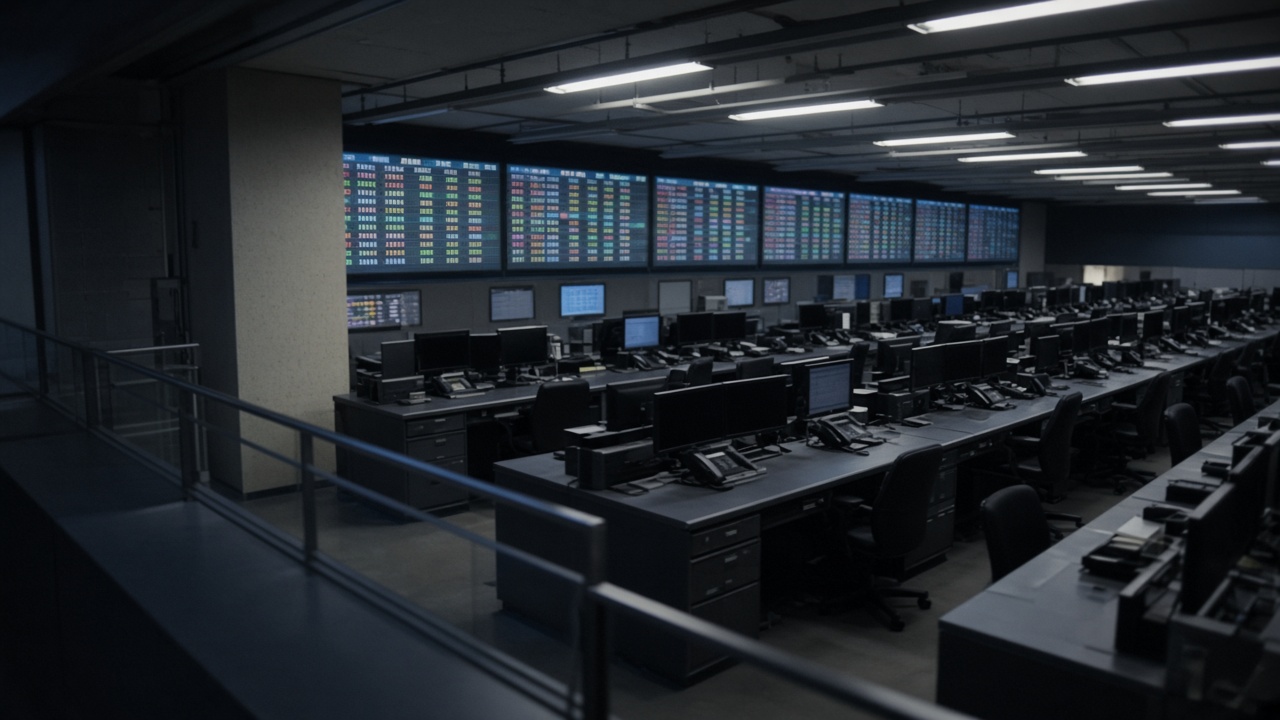
Tokyo’s headline Nikkei 225 index fell 1,253.40 points, or 1.82 percent, to 67,777.52 on Tuesday while the broader TOPIX added 5.86 points, exposing how a handful of semiconductor names can drag a price-weighted benchmark even as most listed shares advanced.
Chip complex leads losses
Kioxia Holdings Corp plunged by double digits after reports of competitive pressure in memory technology, pulling Tokyo Electron Ltd, Advantest Corp and SoftBank Group Corp lower with it. Technology names subtracted more than 1,180 yen of index impact on the Nikkei, according to Nikkei Indexes sector contribution data.
Traders said the session extended a U.S.-led tech wobble into Tokyo’s first cash day after Sports Day, with overseas hedge funds reducing high-beta semiconductor exposure into Japan’s afternoon.
TOPIX tells another story
The TOPIX closed at 4,110.67, up 0.14 percent, as electric utilities, trading companies and shippers attracted rotation bids. Toyota Motor Corp, Mitsui & Co. and Nippon Yusen KK were among names that rose while the Nikkei headline screamed red.
That split matters for domestic investors whose pensions and mutual funds benchmark against TOPIX rather than the 225-name average.
Volume and volatility
Turnover on the Tokyo Stock Exchange remained heavy, with traders citing intraday swings of more than 1,900 points on the Nikkei before a partial recovery into the close. Options desks reported elevated demand for short-dated puts on Advantest and Tokyo Electron.
Crude oil futures firming on Middle East uncertainty added a macro headwind, though it also supported energy names inside the TOPIX.
Who felt it in portfolios
Global funds that track the Nikkei 225 through ETFs inherit its concentration: Advantest alone carried a double-digit weight in the index mix published Tuesday. Funds hedged to TOPIX looked almost flat on the day.
Regional banks and insurers, often owned for yield, traded higher as long-end Japanese government bond yields steadied after a soft 40-year auction earlier in the week.
Asia read-through
Seoul’s chip-heavy Kospi had already weakened, giving Tokyo traders a playbook. Hong Kong-listed memory peers moved overnight, reinforcing the idea that the shock was sector-specific rather than a yen crisis.
Currency markets were comparatively calm; the story was equity factor rotation, not carry unwind.
What comes next
Earnings season for Japanese equipment makers will test whether AI-related capex forecasts hold or whether customers push orders into 2027. A second consecutive Nikkei decline would pressure retail sentiment ahead of year-end bonus investing.
Macro traders will also watch the Bank of Japan’s next communication on bond purchases; less support at the long end can help banks even if it hurts bond-heavy trading books.
Desk bottom line
Tuesday’s session was a lesson in index construction: the Nikkei’s 1,253-point drop was a semiconductor air pocket, while the rising TOPIX showed many Japan-listed companies never entered the selloff.