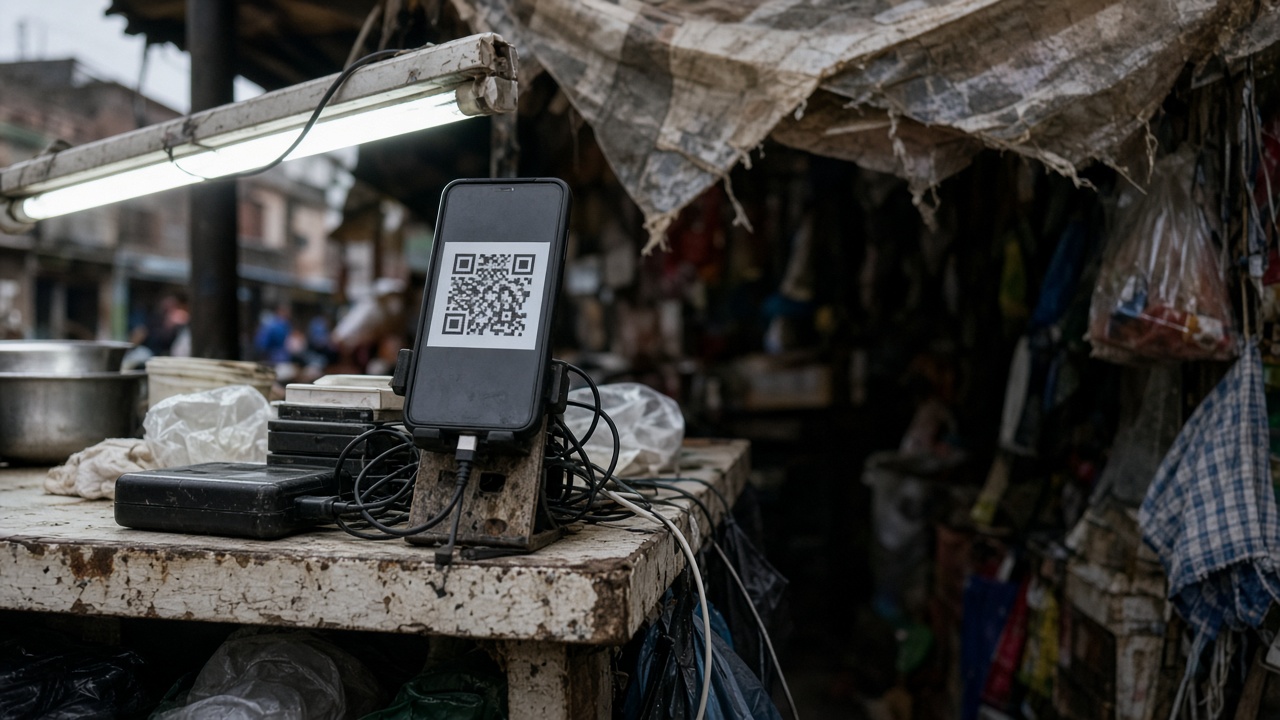
India’s digital payments backbone gave festival shoppers more runway on Tuesday, deferring merchant discount rate charges on selected UPI person-to-merchant transactions until after Diwali.
The National Payments Corporation of India said the rollout would be pushed beyond the Diwali window and that a new implementation date would be announced separately, according to coverage of the circular by CNBC-TV18. The move delays a friction point that merchants, fintech apps, and consumer groups had been watching since regulators began debating how to price high-volume, low-margin UPI traffic.
Why timing matters
Diwali is when credit-card issuers, buy-now-pay-later platforms, and UPI wallets compete hardest for share of wallet. Even a small per-transaction levy on person-to-merchant flows can shift behaviour at kirana stores and mall checkouts, where QR codes have replaced cash for millions of households. Pushing the start date past the festival reduces the risk of checkout surprises just as EMI offers and cashback wars peak.
MDR on UPI has been contentious because the network grew on subsidised, zero-charge rails that helped drive adoption faster than in most peer economies. Banks argue they need compensation for settlement and dispute-handling costs; merchants warn that passing charges to consumers will slow digitisation. NPCI’s deferral does not settle that argument—it postpones it until the seasonal spike passes.
Card issuers still in the mix
Credit-card desks read the delay as breathing room. Many issuers have tied reward points to UPI spends on their apps; a sudden MDR could have forced them to rework merchant partnerships mid-quarter. Co-branded cards and RuPay variants marketed for festive EMI plans can keep current pricing through November, assuming the post-Diwali date slips into late calendar year.
Regulators have also been balancing competition with stability. The Supreme Court earlier allowed NPCI’s merchant-discount framework to proceed on person-to-merchant payments, but implementation details remain politically sensitive. Consumer affairs ministries track complaint lines during festivals; an ill-timed fee launch would have flooded those channels.
What merchants should do now
Small retailers should still read acquirer notices. A national delay does not stop individual banks from adjusting commercial terms on card-present transactions or POS rentals. Accounting teams should model two scenarios—MDR starting in November versus January—so working capital plans for inventory restocking stay realistic.
For households, the practical message is simpler: UPI checkouts during Diwali week should not suddenly carry a new government-mandated surcharge. When NPCI publishes the next date, watch whether charges apply uniformly across person-to-merchant categories or only above ticket-size thresholds. Until then, the festival queue stays on the rails it used last year.