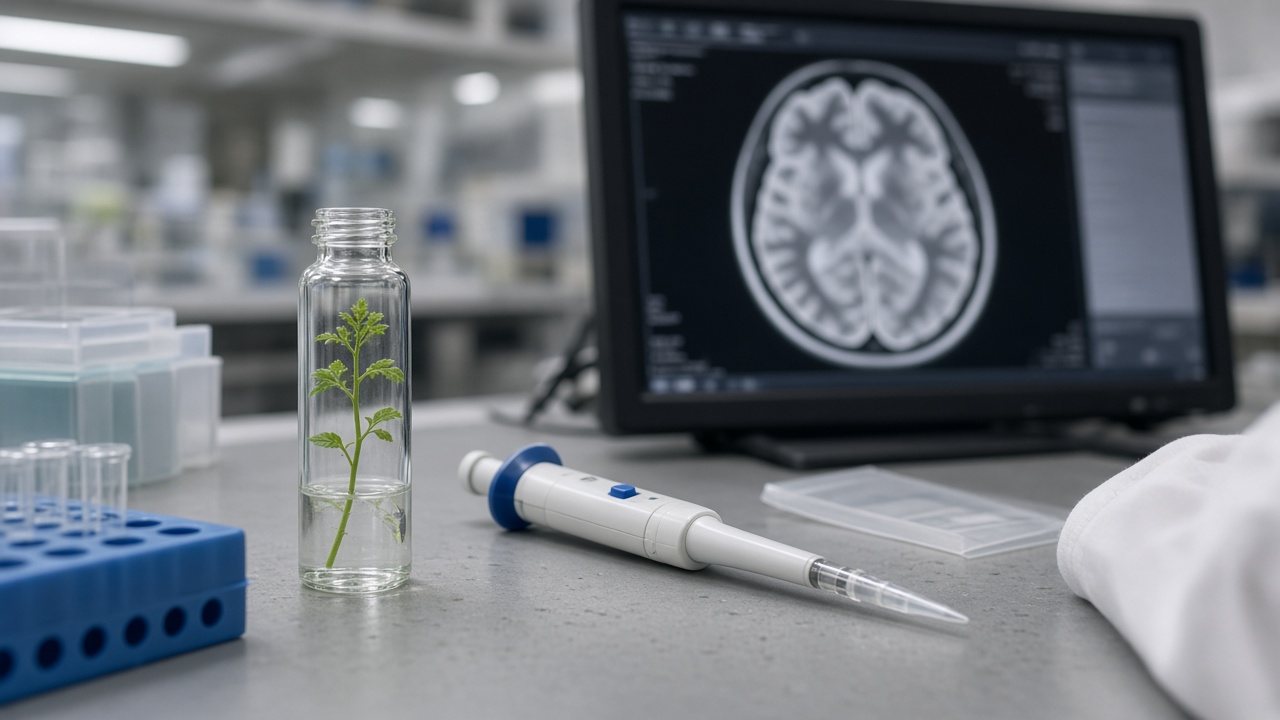
National Tsing Hua University researchers said a plant-derived compound called isorhoifolin improved movement recovery in mice with traumatic brain injuries and appeared in brain tissue within 15 minutes when delivered through the nose.
The study, published in Phytomedicine in October, traced how the molecule acts on neurons and astrocytes: it suppresses signals that block nerve regrowth while lowering oxidative stress in support cells. Dean Linyi Chen, who leads the team, said the dual mechanism could inform future stroke and concussion therapies.
From conservatory to chemistry bench
Scientists isolated isorhoifolin from Monstera epipremnoides specimens cultivated at the Dr. Cecilia Koo Botanic Conservation Center in Pingtung. After years of screening tropical plants, the team synthesized the compound at gram scale with NTHU chemists, reducing reliance on wild harvesting.
Mice receiving intranasal doses showed better motor scores than controls, though researchers stress animal results may not translate directly to humans. Toxicology studies and larger-batch manufacturing must precede any clinical trial application.
Clinical gap for TBI patients
About 70 million people worldwide suffer traumatic brain injuries each year, yet no approved drug directly repairs damaged nerves. Taiwanese emergency physicians said they welcome basic research but need phase-one safety data before changing protocols.
Health insurers are watching because long-term TBI care is expensive; a disease-modifying therapy could shift rehabilitation economics. For now, hospitals continue standard anti-inflammatory and physical therapy regimens.
What’s next in Hsinchu
The team is exploring analogues with longer half-lives and partnerships with Kaohsiung Medical University hospitals for biomarker studies. Funding came from Ministry of Science and Technology grants and private donations to the botanic conservation center.
Patients’ groups urged transparent trial enrollment if human studies begin, noting past hype around stem-cell clinics. NTHU pledged to publish all protocol amendments, a small but necessary step toward trust.
Regulatory path
Food and Drug Administration officials in Taipei said they have not received a pre-investigational new drug meeting request but would expedite scheduling if NTHU files one after toxicology work concludes.