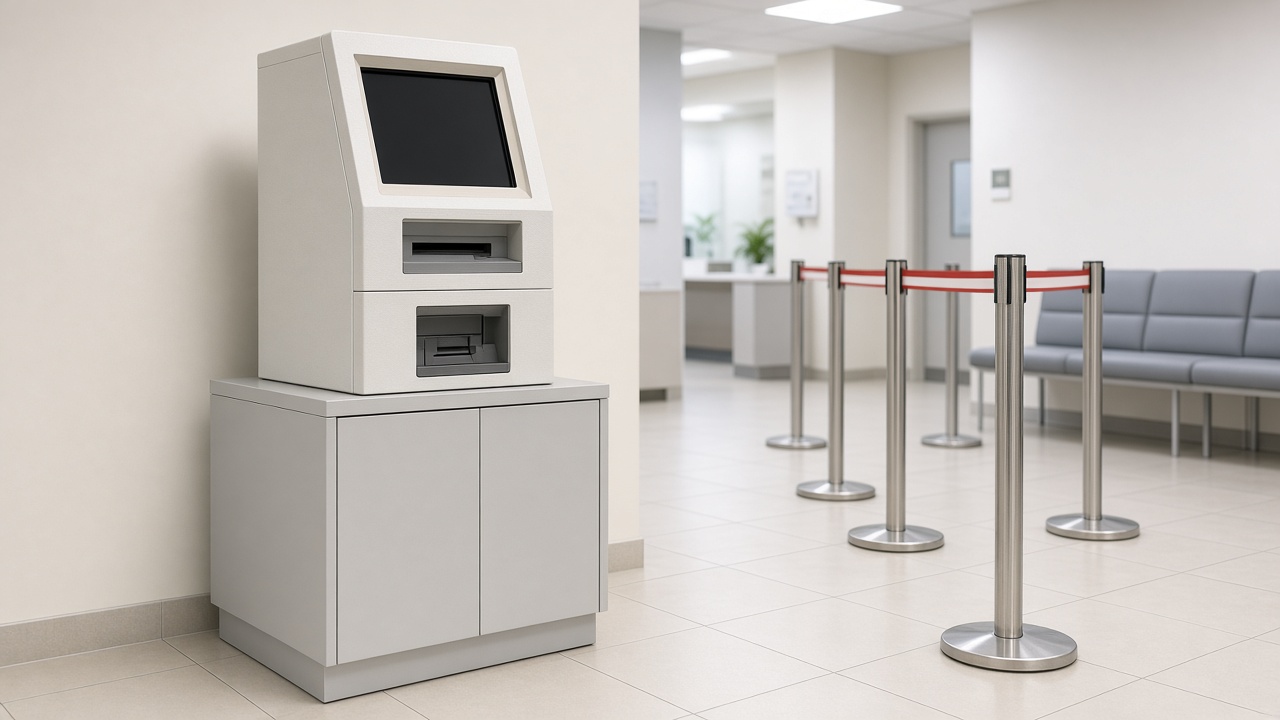
Singapore polyclinics resumed online appointment booking by Wednesday morning after Synapxe restored the network links that froze call-centre CRM tools and self-service kiosks for most of Tuesday, clearing a backlog of patients who could not reschedule chronic disease reviews during the nine-hour outage.
Staff at Jurong Polyclinic and Punggol Polyclinic said the first bookable slots appeared around 8am, though earlier time bands remained greyed out while systems reconciled overnight queue data. NUHS’s eight polyclinics and NHG’s network posted matching notices on Facebook, telling patients to expect slower phone responses even as web portals stabilised.
Who felt the pinch
Chronic care patients were hardest hit. Diabetes and hypertension reviews often rely on three-month booking cycles; missing a window can delay medication refills. Nurses manually triaged walk-ins on Tuesday, prioritising elderly patients who arrived without realising call lines were down.
CNA reporters visiting seven institutions on Tuesday afternoon found shorter queues by 3pm, yet pharmacy signs at National University Hospital still warned of hour-long waits. Polyclinics with smaller dispensaries recovered faster because staff could hand-write labels when printers reconnected.
MOH messaging
The Ministry of Health has not released attendance statistics, but SingHealth’s social team thanked patients for bearing with manual registration. Health Minister Ong Ye Kung’s earlier pairing of drug-access reviews with digital modernisation now faces a practical test: can agencies shrink clinic queues if administrative systems stall quarterly?
Health Promotion Board screening invites sent before Tuesday remained valid; patients were told to show NRIC cards even if SMS confirmations never arrived. That low-tech fallback worked, but it also shows how much trust sits in automated reminders.
Next 48 hours
Cluster operators asked polyclinic managers to extend telephone hours through Friday and to flag high-risk patients for proactive outreach. Synapxe promised hourly stability updates until the root-cause report lands.
For residents, the immediate stake is securing a slot before the weekend haze keeps vulnerable seniors indoors. Wednesday’s reopened calendars are not a full fix—just the first sign that Singapore’s front-line clinics can digitise appointments again after a very analog Tuesday.
Timeline residents can trust
Cluster Facebook pages will remain the fastest channel for slot openings even after portals stabilise, because local staff can post ward-specific instructions faster than central IT tickets close. Patients should still bring physical appointment letters when possible and arrive earlier than usual while queues normalise.
MOH has not ordered clinics to extend opening hours, but several polyclinics quietly added counter staff for Thursday and Friday shifts. Volunteers at void-deck health screenings said they will help seniors book slots by phone if web forms fail again.
The recovery is not only technical. Trust erodes when a 70-year-old waits two hours because a gantry cannot read a barcode. Restoring booking APIs is step one; step two is proving the next failure will fail softer—with paper playbooks, visible queue numbers, and honest public timelines instead of generic apologies.
Across Singapore, the episode sits in a broader October where haze, Formula 1 crowds, and digital public services all competed for attention. Residents who spoke to InfoHandle said they measured impact in minutes lost rather than dramatic headlines—queue time at lunch, another phone call to a clinic, or a cancelled outdoor run. Agencies reiterated that official updates will flow through government websites and verified social channels rather than forwarded messages.
Analysts cautioned against reading too much into a single day, but acknowledged that repeated friction can erode confidence in institutions that otherwise score highly in global trust surveys. The next policy checkpoint will be whether ministries publish concrete remediation dates or rely on generic assurances.
For now, the city’s rhythm continues: trains on time, schools open, hawkers flipping eggs in ventilated stalls. The story is the margin—the extra hour, the extra mask, the extra verification step—that Singaporeans are spending to keep daily life on track while the region’s air and networks stay unstable.