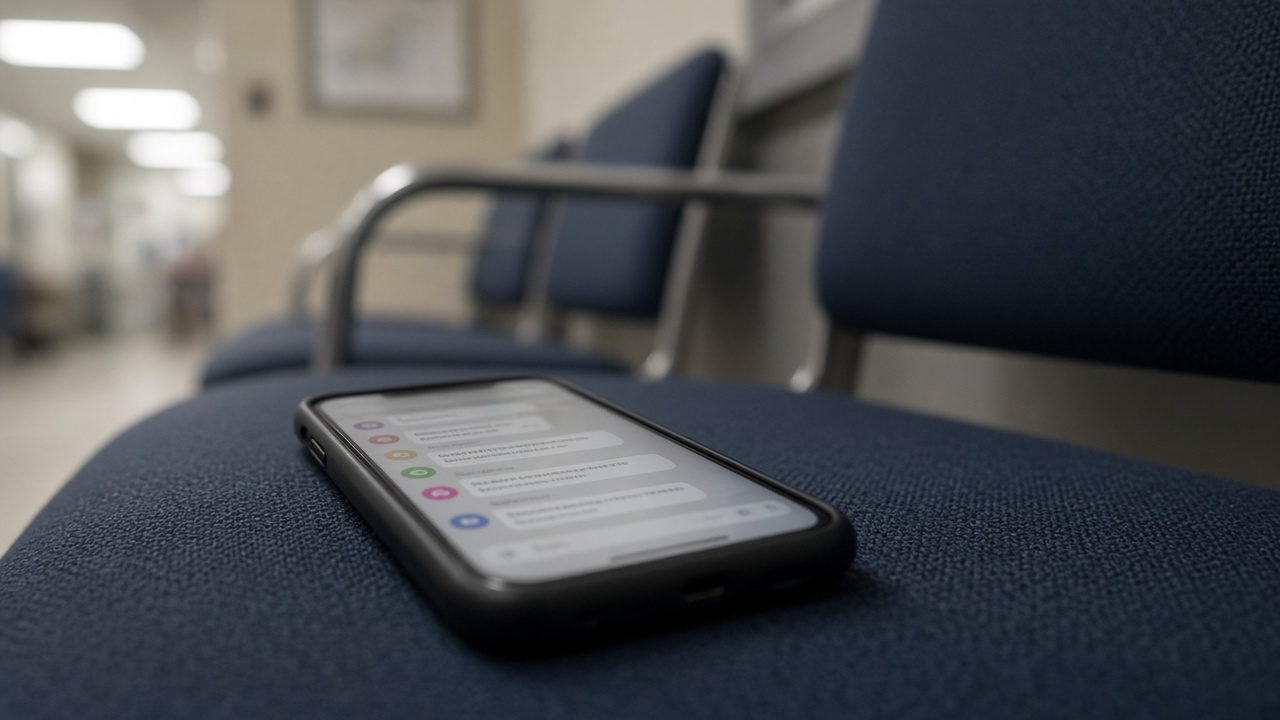
Cybercrime counsellors and the ScamShield helpline fielded extra questions on Wednesday from patients worried that fake hospital texts could exploit confusion after Tuesday’s Synapxe outage, reviving official guidance that legitimate government SMS traffic must carry the gov.sg sender ID.
The Singapore Police Force has not announced a new case tally tied to the healthcare disruption, but security desks said the risk window is obvious: when call centres cannot confirm appointments, anxious patients are more likely to tap links in messages that claim to be from Singapore General Hospital or National University Hospital.
Why the outage matters to impersonators
Synapxe restored booking portals by 4.37pm on Tuesday and said there was no indication of a cyber attack. Yet for most of the business day, patients relied on word of mouth, queue boards, and ad hoc WhatsApp chats from clinics. That grey zone is where impersonation phishing plots thrive. ScamShield’s published checklist tells users to hang up on callers demanding OTPs and to verify agency texts through the gov.sg format introduced in July 2024—full agency name at the start, automated-government note at the end.
Police past advisories on fake HealthHub APK files show the playbook: offer a subsidised screening, push a download outside the Google Play Store, then drain bank accounts through accessibility malware. Nothing in Tuesday’s technical failure suggests malware touched Synapxe networks, but criminals do not need access—only believable copy.
What hospitals are telling patients
NUHS and SingHealth social media posts on Tuesday directed patients to physical counters when hotlines failed, but they did not text ad hoc links—a detail advocates urged users to remember. If a message arrives from a mobile number rather than gov.sg or a hospital’s verified channel, delete it and call the institution on the number listed on its official website.
Staff at the Anti-phishing Command Centre’s outreach booths in heartland malls said they will keep playing the gov.sg explainer video through the week. Volunteers reported more questions from middle-aged caregivers who usually rely on children to book appointments online.
Practical steps before the next outage
Save PDF appointment confirmations when bookings succeed, and screenshot queue numbers at polyclinics. Enable ScamShield app filtering if you carry an eligible phone. None of these steps fix network engineering, but they reduce the chance that a criminal’s text becomes your only source of truth when systems go dark again.
Helpline volume as an early warning
Operators at 1799 said peak call times overlapped with Synapxe’s outage hours, even though no new police advisory was issued. Counsellors walked callers through checking sender IDs and deleting unverified APK files, repeating guidance first published when fake HealthHub apps appeared in 2023.
Banks reminded customers that OTP requests tied to hospital payments are almost always fraudulent when initiated over SMS. If a clinic truly needs payment, staff will direct patients to official counters or the HealthHub app downloaded from trusted stores—not sideloaded installers.
Community centres hosting digital literacy classes this week added a ten-minute module on outage days, teaching seniors to screenshot suspicious texts and forward them to family members before tapping anything. The pedagogy is tedious, but so is cleaning up after malware drains a retirement account.
Across Singapore, the episode sits in a broader October where haze, Formula 1 crowds, and digital public services all competed for attention. Residents who spoke to InfoHandle said they measured impact in minutes lost rather than dramatic headlines—queue time at lunch, another phone call to a clinic, or a cancelled outdoor run. Agencies reiterated that official updates will flow through government websites and verified social channels rather than forwarded messages.
Analysts cautioned against reading too much into a single day, but acknowledged that repeated friction can erode confidence in institutions that otherwise score highly in global trust surveys. The next policy checkpoint will be whether ministries publish concrete remediation dates or rely on generic assurances.
For now, the city’s rhythm continues: trains on time, schools open, hawkers flipping eggs in ventilated stalls. The story is the margin—the extra hour, the extra mask, the extra verification step—that Singaporeans are spending to keep daily life on track while the region’s air and networks stay unstable.