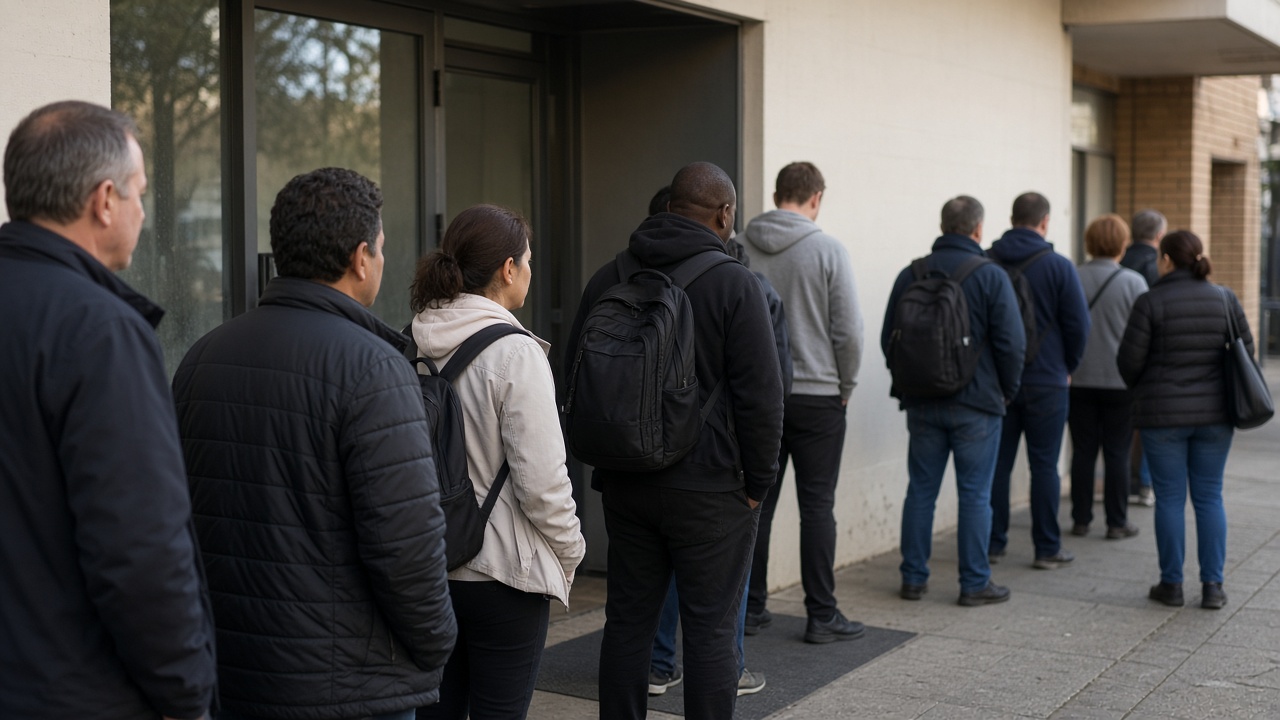
SYDNEY — Australia’s unemployment rate rose to 4.7% in September as employers shed 39,000 jobs, the Australian Bureau of Statistics said Thursday, the sharpest headline deterioration in months and a jolt to Canberra days before parliament debates cost-of-living relief.
The number of unemployed people increased by 9,000 over the month, while the participation rate slipped and underemployment ticked up to 6.3%, meaning more workers want additional hours than the economy is offering. Full-time employment fell while part-time work partially offset the loss, a pattern economists said reflects cautious hiring in retail and construction heading into the southern summer.
Headline versus trend
The ABS emphasised that its trend unemployment rate remained at 4.6%, suggesting underlying labour market conditions are not collapsing even as the seasonally adjusted series moved higher. Trend data smooth volatile monthly swings; traders and politicians nonetheless trade on the headline print because it moves consumer confidence and Reserve Bank deliberations.
September’s loss of 39,000 jobs followed a run of softer forward indicators, including vacancy data and business surveys pointing to slower hiring in New South Wales and Victoria. Queensland and Western Australia held up better, helped by resources investment and infrastructure pipelines tied to energy transition projects.
Hourly wage growth has cooled from its post-pandemic peak but still runs above inflation in many industries, squeezing corporate margins and prompting some firms to freeze headcount rather than pass higher labour costs straight through to customers already battered by mortgage repayments near generational highs.
Canberra’s political economy
The Albanese government is reintroducing legislation to extend private health insurance rebates for Australians over 65 after the Coalition and Greens blocked an earlier package in the Senate. Thursday’s jobs data gives the opposition fresh ammunition to argue that Labor’s industrial relations agenda and tax settings are chilling investment.
Communications Minister Anika Wells separately introduced a digital duty-of-care bill aimed at harmful online content for users under 18, a priority unrelated to the labour market but competing for parliamentary time as the government tries to keep its economic message on wages and Medicare.
Treasurer Jim Chalmers has not yet commented on the September release in detail, but his office flagged that global uncertainty — including shipping disruptions affecting fuel costs — is filtering into domestic hiring decisions. The mid-year budget update later this year will need to reconcile softer employment with still-strong nominal GDP growth driven by population and services exports.
RBA and household outlook
The Reserve Bank of Australia left the cash rate unchanged at its October meeting, citing progress on inflation but warning that services price pressures remain sticky. A rising unemployment rate, if sustained, could open the door to earlier easing in 2027, though governor Michele Bullock has stressed the board will not move on a single month of data.
Households carrying average new mortgages above $700,000 are particularly exposed. Analysis published this week argued that when debt levels are accounted for, today’s interest rates feel as punishing as the late-1980s peak in effective terms, even though headline percentages are lower.
Labour market economists will watch October figures for confirmation that September was a blip or the start of a broader cooling. For now, 4.7% unemployment with shrinking payrolls is the number on the ABS scoreboard — and the one shaping breakfast television segments from Perth to Hobart.