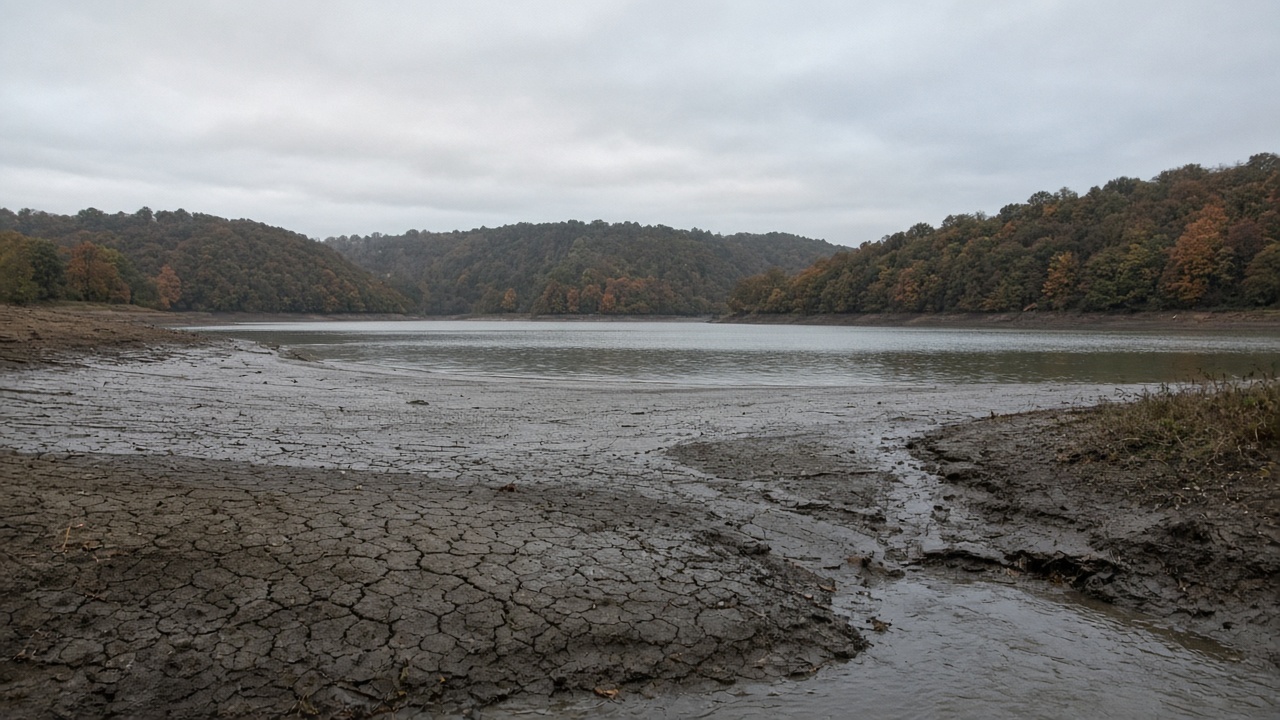
The Environment Agency declared severe drought across parts of Cornwall, Devon, Dorset, Somerset, East Sussex and West Sussex on Thursday, elevating the dry spell that has gripped southern England into the country’s highest drought classification short of an emergency.
The decision followed a National Drought Group review of reservoir storage, river flows and groundwater. Officials said the move is meant to protect public supplies before customers see disruption, not because taps are already running dry.
Reservoirs driving the escalation
Government statements singled out Ardingly reservoir in West Sussex and Wimbleball in Somerset as particularly stressed. The agency classed both Colliford and Wimbleball as at “exceptionally low” levels and noted that nationwide reservoir storage is running well below the roughly 75 percent officials expect in mid-October.
South East Water and South West Water have drought orders allowing them to reduce releases from reservoirs into rivers by millions of litres per day to conserve drinking water. Southern Water has sought similar permission for Hampshire and the Isle of Wight. Smaller sites in Devon and Cornwall, including Stithians near Falmouth, are also under close watch.
Restrictions already in place
A hosepipe ban has covered Devon, Cornwall, the Isles of Scilly and parts of Dorset and Somerset since 8 August, with no firm end date. Environment Secretary Angela Eagle said the government is stepping up support and planning because the country has not faced drought at this intensity for decades.
Environment Agency chief executive Philip Duffy blamed record summer heat and prolonged dry weather for putting water resources under “immense pressure.” Water companies must now monitor reservoirs and rivers daily, while agency staff increase checks on businesses with abstraction licences to ensure they stay within permitted limits.
Outlook through winter
Eleven other English regions were already in standard drought status before Thursday’s announcement, including Yorkshire as of 9 October. Agency research cited by ministers suggests England would need about 20 percent more rainfall than average through April to lift all affected areas out of drought.
Household supplies are expected to continue uninterrupted for now, but officials warned that without sustained autumn rain, further restrictions on non-essential use could follow before spring. Farmers and environmental groups will watch river levels closely as migrating fish and wetland habitats face another season of low flows.
The Independent reported that only northeast England, Cumbria and Lancashire, and Greater Manchester, Merseyside and Cheshire remain on prolonged dry-weather status rather than full drought. Ministers said consumer-protection plans activated Thursday are meant to coordinate water company contingency spending before bills or supply quality are affected.