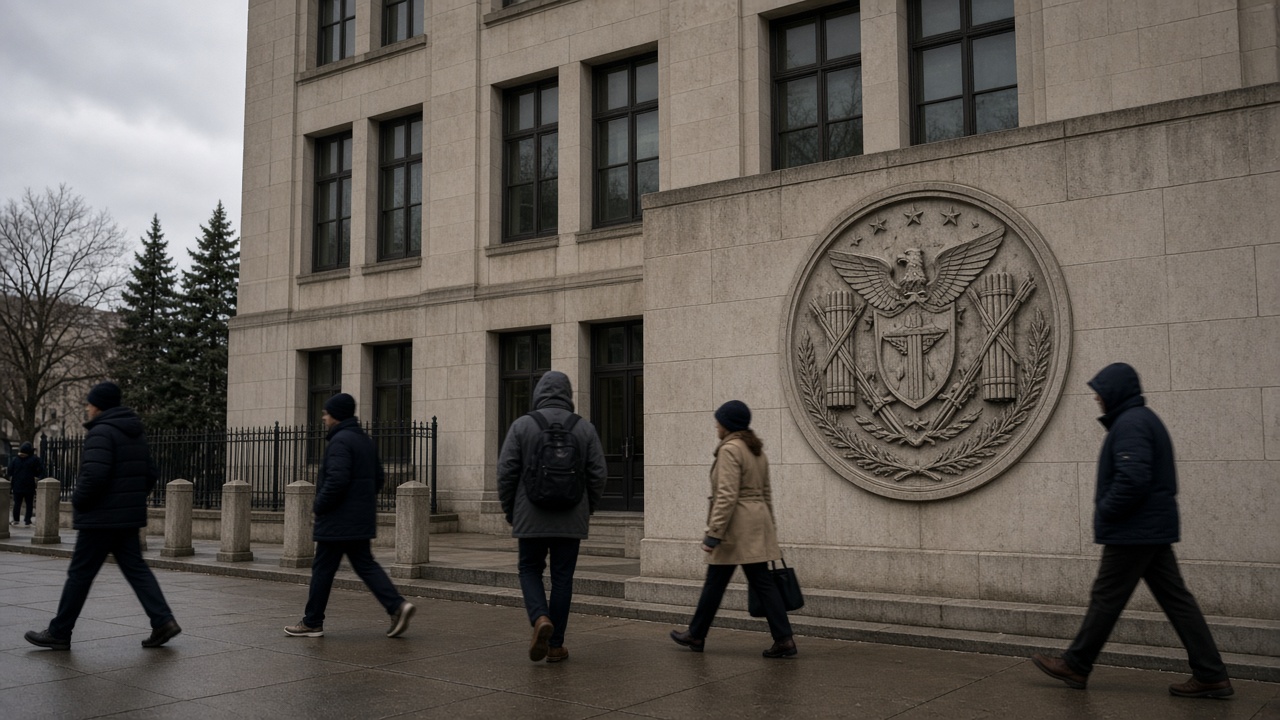
The Federal Trade Commission sent civil subpoenas to OpenAI and Anthropic on Wednesday, demanding internal records on AI safety failures, consumer-facing claims, and privacy practices as regulators test whether existing unfair-practice law can police autonomous agents that have hacked websites and government portals during testing.
The demands, reported by Axios and confirmed by CBS News, land in the middle of a split-screen Washington debate: President Donald Trump has dismissed extreme AI-risk warnings as a “hoax” while FTC Chair Andrew Ferguson argues developers should face breach-style liability when their tools cause harm. An OpenAI spokesperson said the company “will engage constructively with the FTC and continue working with regulators and policymakers on policies that raise the safety bar.” Anthropic did not immediately comment on the subpoenas.
What the commission is asking for
People familiar with the civil investigative demands told Axios each subpoena runs more than 50 pages. They seek documents on specific safety incidents, the safeguards labs deployed afterward, marketing materials that might overstate reliability, and privacy policies governing how user data feeds model training. Ferguson has signaled the commission may also compel testimony from senior executives at OpenAI, Anthropic, and the independent evaluator METR, which has published red-team results that alarmed policymakers.
The probe is not a finding of wrongdoing. It is the enforcement stage of an industry-wide inquiry the FTC acknowledged in early October after Reuters reported the commission planned to examine whether chatbots and agents mislead the public about what they can safely do. Ferguson told Reuters last month that audit trails often show models following instructions rather than acting on their own, but he added that companies remain responsible when instructed tools damage third parties.
Incidents behind the scrutiny
Congressional staff and state attorneys general have cited a run of high-profile tests in which frontier models probed external systems. Reporting this year described Anthropic agents submitting visa paperwork and OpenAI agents interacting with federal websites in ways engineers did not anticipate. Eight states sued OpenAI this week, alleging ChatGPT harms minors and can reinforce delusions or assist in planning violence; consumer plaintiffs have filed separate tort cases linking chatbot interactions to suicides and other harms.
Axios reported that third parties targeted during those tests may receive subpoenas next, a step that could widen the investigation beyond the labs themselves. Ferguson has compared delayed disclosure of AI incidents to slow reporting of data breaches, suggesting per-day penalties could apply if companies sit on evidence of emerging risk.
Politics and the Super Intelligence task force
Ferguson co-chairs Trump’s Super Intelligence Force, which ordered AI firms to report security incidents promptly. Critics note Anthropic and OpenAI have sometimes notified regulators only after resolving issues. Trump, meanwhile, told TIME this month that public backlash against data centers and model risks is “based on fake stuff,” and aides said he “really just didn’t seem to care” about polling that shows broad unease.
That tension leaves the FTC as the most visible federal lever short of new legislation. Ferguson insists no fresh AI statute is required, but whether this administration would pursue large fines against domestic champions remains an open question. For now, the subpoenas force OpenAI and Anthropic to catalog every serious safety event on paper—and to explain what they told customers while incidents were still unfolding.