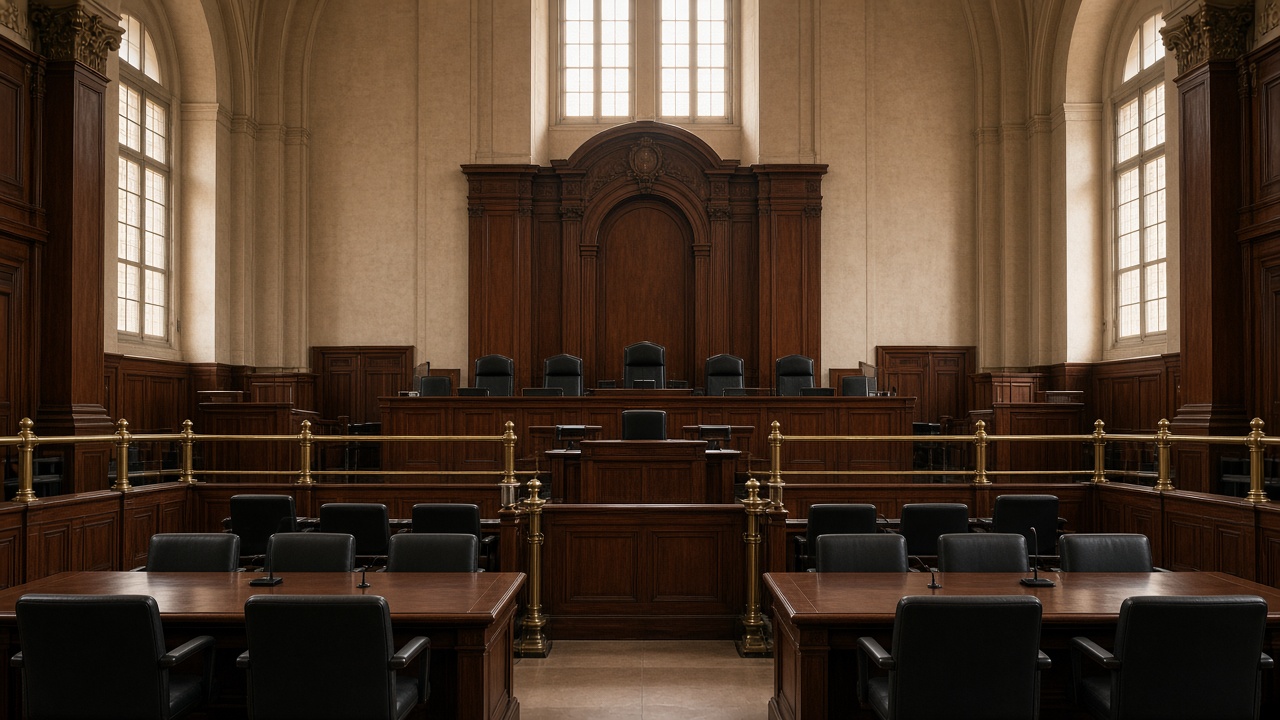
The Supreme Court listed a joint petition led by Leader of the Opposition Rahul Gandhi for hearing on Thursday, asking judges to order the Election Commission to publish files, minutes and commissioner-level objections tied to the special intensive revision that has deleted roughly thirteen crore names from draft rolls nationwide.
What the petition seeks
Congress leaders said the plea challenges whether Chief Election Commissioner Gyanesh Kumar acted unilaterally while colleagues recorded dissent. They want an interim pause on the revision until the court reviews whether eligible citizens were stripped of voting rights without adequate notice. Sana Qureshi’s politics desk notes the case sits alongside street protests in Delhi that police contained last week, but the courtroom fight targets paper trails, not crowd sizes.
Commission’s public position
The Election Commission has defended the SIR as a statutory clean-up of duplicate and migrated entries, publishing booth-level lists for claims and objections. Officials argue opposition parties had weeks to file corrections at field offices. Petitioners counter that internal disagreements among commissioners should be visible so voters can judge whether deletions were even-handed across states.
Stakes for upcoming state cycles
Several assemblies face polls within the next year; any court-ordered slowdown would compress timelines for final voter lists. Lawyers expect the bench to focus first on document disclosure rather than a nationwide suspension, but even limited transparency could reveal which states drove the bulk of deletions. Parties are preparing booth-wise affidavits in case the court orders a sample audit.
Whatever the outcome, the hearing keeps electoral administration on the front page during a week when Parliament is not in session and regional campaigns are warming up.
Legal arguments expected Thursday
Senior advocates for the petitioners are likely to argue that Article 324’s independence guarantee requires publishing commissioner dissents when deletions scale to crores of names. The Election Commission’s counsel may respond that disclosing internal notings would chill frank deliberation and aid litigants gaming field-level challenges.
Previous Supreme Court orders on electoral rolls have focused on verification forms and booth officer affidavits; this case pushes deeper into administrative files. Amicus curiae appointments are possible if the bench wants technical help on data-matching algorithms used in the SIR.
State election officers watching the hearing are preparing FAQ sheets for booth agents in case the court orders temporary reinstatements pending review. Even a narrow disclosure order would flood party war rooms with PDFs to compare against ground lists.
State-level ripple effects
Bihar and West Bengal officials report higher objection volumes at electoral roll camps, suggesting ground teams expect court scrutiny. BJP and INDIA bloc workers are both photographing Form 7 submissions to build evidence packets regardless of the verdict.
Media access inside the courtroom will be limited to the cause-list mention and post-hearing summaries, but legal reporters are preparing explainers on how Election Commission files differ from RTI disclosures.
International election observer groups are monitoring filings but have not intervened; diplomats in Delhi expect the court to prioritise procedural orders over broad suspensions.