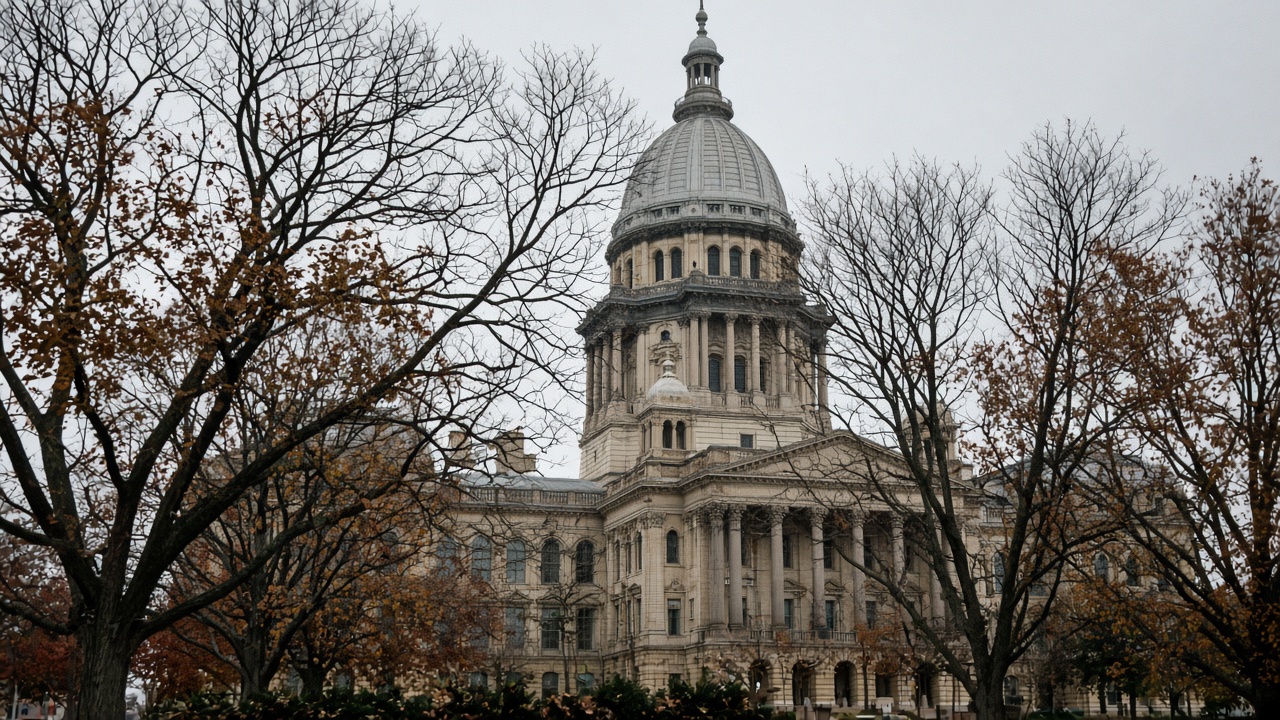
Illinois Attorney General Kwame Raoul told a federal court he will appeal an injunction that stops the state from enforcing a first-in-the-nation ban on interchange fees tied to sales tax and gratuity on card purchases.
What the Illinois law tried to do
The Illinois Fee Prohibition Act, signed in 2024, barred banks, card networks, and processors from collecting swipe fees on the portion of a transaction attributable to tax or tips. Supporters argued restaurants and retailers were paying double-digit basis points on money they never kept—a pass-through cost that showed up in menu prices.
Trade groups including the Illinois Bankers Association and the American Bankers Association sued, saying the measure conflicted with federal banking law and would force costly receipt-level itemization at checkout.
Where the case stands
U.S. District Judge Virginia Kendall issued a permanent injunction in June blocking enforcement against national banks, federal savings associations, federally protected out-of-state banks, and payment card networks. She later extended the order to federal credit unions after a supplemental motion.
In an Oct. 14 filing, Raoul’s office said it would seek reversal of the injunction. Bank plaintiffs filed a cross-appeal, setting up a fight that could reach the Seventh Circuit and influence copycat bills in other states.
Wallet stakes for diners and drivers
Interchange is invisible at the register but shows up in merchant margins. Illinois restaurant groups backed the law as relief from rising Visa and Mastercard rates. Issuers counter that restricting interchange on part of a ticket is administratively unworkable and could push networks to raise rates elsewhere.
Until appeals conclude, Illinois consumers should assume checkout prices still embed full card processing costs on the entire ticket, including tax and tip lines on digital receipts.
National context
The appeal lands the same week merchant coalitions cite megabank earnings to push the Credit Card Competition Act in Congress—a separate effort to introduce network competition rather than cap fees by receipt line item. Illinois lawmakers pitched the IFPA as a state-level workaround; courts so far agree with banks that federal preemption shields many institutions.
Legislators in Minnesota and Colorado watched the Illinois litigation closely. A Seventh Circuit ruling could either revive state experiments or freeze them for years.
What to watch next
Briefing schedules on the appeal will determine whether any enforcement window opens before the 2026 holiday shopping season. Raoul’s filing does not restart the ban automatically; the injunction remains in force while appeals proceed.
For tipped workers, the policy fight is indirect but real: if interchange on gratuity were ever blocked and survived court review, restaurants might see slightly lower processing costs on tip-heavy tickets—though nothing in the current injunction changes tip payout timing this month.