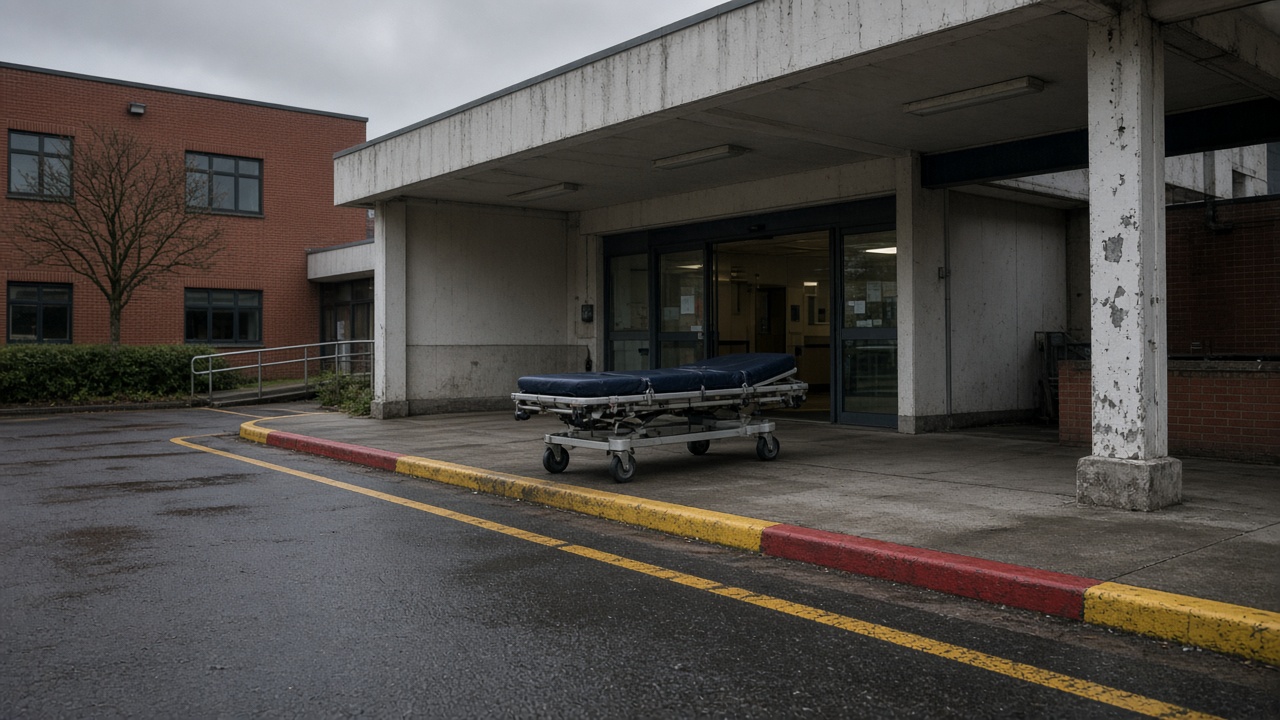
NHS England recorded 2.44 million accident and emergency attendances in September, the busiest September on record, as senior doctors warned that winter pressures are already building before flu vaccination drives hit full stride.
The figure for so-called corridor care — patients waiting more than 12 hours from the decision to admit to actually receiving a bed — rose from 44,951 in August to 50,582 in September, according to performance data cited by NHS leaders and reported by the BBC. Four-hour A&E performance slipped to 74.4% against a national operational standard of 95%, down from 75.0% in August.
Waiting lists and elective care
Routine treatment waiting lists in England increased for a second consecutive month, reaching levels not seen since October 2025. NHS England said hospitals delivered record planned care over the summer even as demand hit new highs, but trade bodies argue the government’s manifesto pledge to treat 92% of patients within 18 weeks by 2029 is slipping out of reach without capital investment and staffing reforms.
National medical director Professor Frankie Swords called the September metrics “ominous,” noting that heat-related demand over summer merged into autumn without the usual seasonal lull. Health Secretary Yvette Cooper acknowledged simultaneous summer and winter pressures, pointing to building upgrades and productivity programmes as the government’s response.
Frontline experience
Emergency physicians describe ambulances queueing outside departments while beds remain occupied by patients ready for discharge but lacking social care packages. Mental health presentations and respiratory cases are rising earlier than typical October patterns. Trusts in the Midlands and North West report the tightest bed occupancy, though the problem is national.
NHS England has rolled out prescription-ready alerts on smartphones and smartwatches to reduce pharmacy trips for stable patients, a small convenience measure that frees GP capacity marginally. Rough-sleeper flu and pneumococcal vaccination programmes also began this month, aiming to keep vulnerable groups out of A&E once temperatures drop.
Policy debate
The NHS Alliance, representing hospitals, says capital budgets must rise to expand same-day emergency care units and diagnostic hubs. Opposition parties blame management churn; ministers highlight strike-free winters and pay deals as stabilisers. None of the political arguments change tonight’s shift rota in overstretched departments.
What patients can do
Officials urge use of NHS 111 online for non-life-threatening issues and continuation of flu jab uptake when invited. Anyone facing life-threatening symptoms should still call 999. For elective patients, the data imply longer waits for routine orthopaedics and ophthalmology unless local trusts receive extra surgical sessions.
Outlook
October attendance figures will show whether September was a spike or a new baseline. With energy bills climbing and respiratory viruses circulating in schools, NHS leaders are planning mutual aid between trusts and reopening surge capacity in observation units. September’s 50,582 twelve-hour waits are the clearest early warning that the 2026–27 winter will test Burnham’s health team as severely as any since the pandemic.