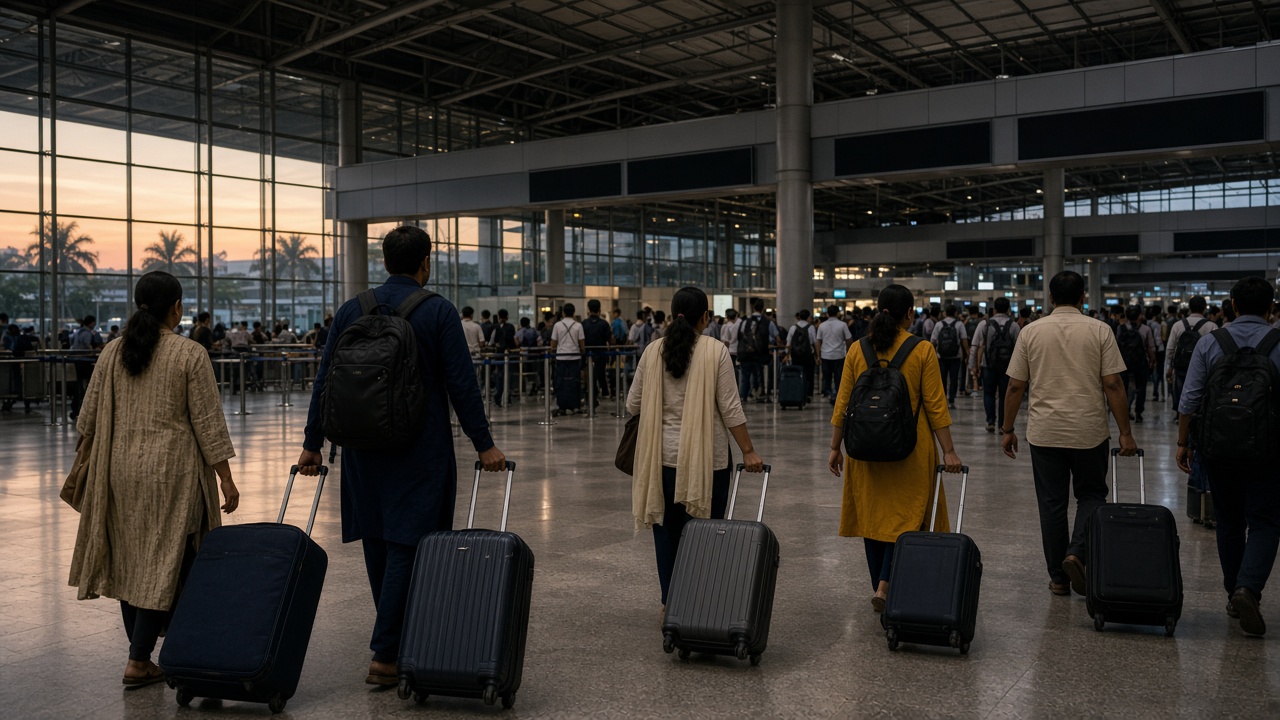
RBL Bank is pitching its World Safari credit card to Diwali travellers booking Europe itineraries, temporarily waiving the foreign-currency markup that usually adds three and a half percent to overseas spends when the rupee is already under pressure against the dollar and euro.
What the Diwali window covers
Cardholders who book eligible flights and hotels to European destinations through the bank’s travel portal before the festival week can see zero forex markup on those transactions, according to terms circulated to customers this month. The perk sits alongside the card’s existing lounge access and travel insurance bundle, and it arrives as many families lock in Christmas and New Year travel while schools are on break.
Nisha Kapoor’s credit desk notes the fine print still matters: dynamic currency conversion at merchant terminals can bypass issuer waivers, and ATM withdrawals abroad continue to attract cash-advance fees unless the bank runs a parallel promotion.
Why issuers chase travel spend now
Indian lenders are competing for high-spend travel segments after the RBI’s October repo hike pushed up the cost of revolving credit. Travel cards earn interchange on big-ticket airline tickets and hotel chains, helping issuers offset rising funding costs. With foreign portfolio investors selling domestic equities, banks are leaning on fee income and affluent card portfolios to stabilise margins.
RBL’s move also follows broader industry repricing: several state-run and private banks adjusted repo-linked retail rates within hours of the MPC decision, which flows through to cash-advance and EMI plans on premium cards.
How to compare before you swipe
Travellers should still compare total cost of ownership: annual fees, reward earn rates on international spend, and whether the zero-markup window requires booking only through the issuer’s portal. For one-week Europe trips costing several lakh rupees, a waived three-and-a-half-percent markup can save thousands, but only if the underlying ticket price matches public fares.
Readers carrying multiple travel cards should check whether their HDFC or Axis products run competing Diwali campaigns, because overlapping promotions sometimes stack lounge visits but not forex benefits. Documenting booking confirmations also helps if disputes arise over which transactions qualified for the waiver.
Regulatory backdrop for card pricing
The Reserve Bank’s October repo increase feeds into banks’ marginal cost of funds, which many lenders use to reset credit-card finance charges on a quarterly cycle. Premium travel cards are less sensitive than mass-market revolving products, but issuers still monitor delinquencies on international spend when the rupee weakens because repayment burdens rise in local-currency terms.
Payment networks have also tightened dispute resolution timelines for chargebacks on airline tickets, meaning cardholders should file claims quickly if carriers cancel flights. Travel insurance bundled with World Safari covers medical emergencies abroad, yet pandemic-era exclusions still appear in some policies—readers should verify COVID-related clauses before departure.
For students flying to European universities this intake season, forex cards from competing banks may offer simpler budgeting than revolving credit. The Diwali promotion is aimed at families spending on leisure, but the same markup waiver can apply to multi-city Schengen itineraries if booked within the promotional window.
Reward economics
World Safari’s mileage earn on international airline spend still applies during the zero-markup window, but blackout dates on partner carriers can limit value for travellers flying on peak Christmas eve departures. Cardholders should load confirmed bookings onto the issuer portal quickly because manual reconciliation can take a billing cycle.
Credit bureaus treat utilisation on travel cards like any other revolving line; large ticket charges can nudge scores if balances stay high after the trip. Paying down before statement dates preserves both score health and interest savings once the promo ends.
Travel agents on Mumbai’s Dadar strip report stronger enquiries for Eastern Europe river cruises, itineraries where card forex waivers matter less because vendors price in euros upfront.