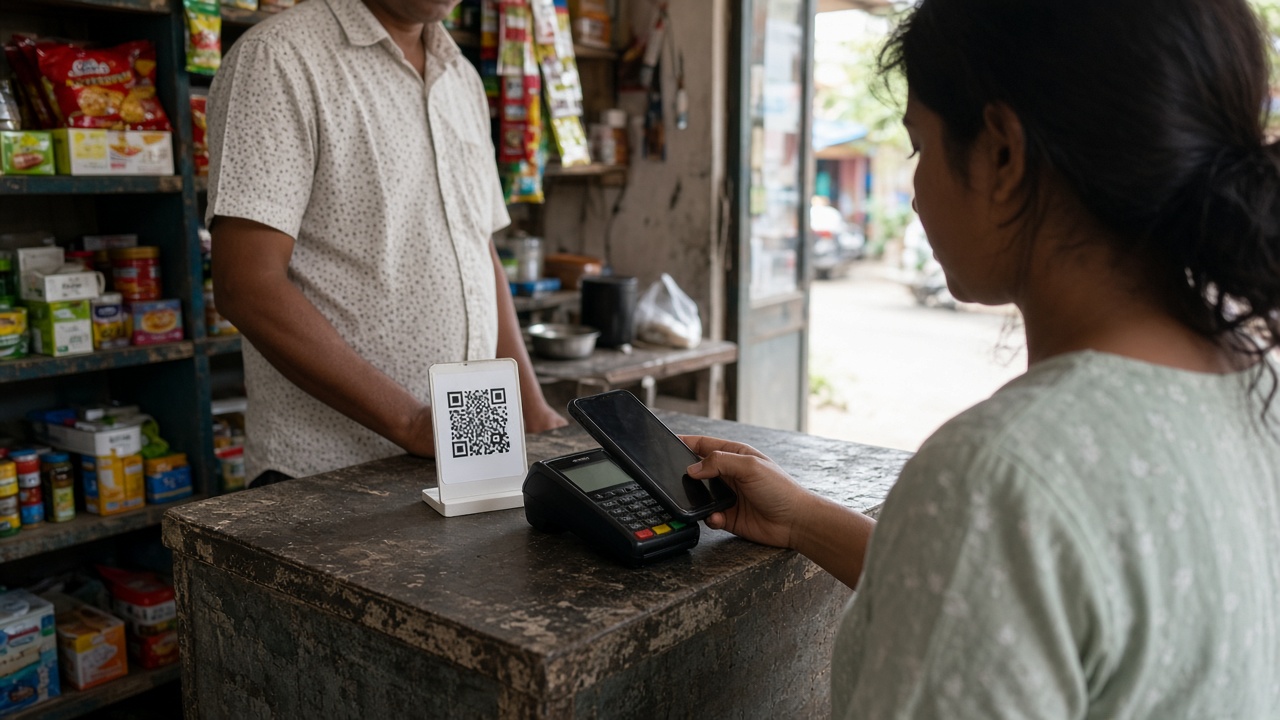
The National Payments Corporation of India widened a sandbox pilot that lets RuPay credit-on-UPI transactions convert instantly into equated monthly instalments at participating merchants using BharatPe and Pine Labs acquiring stacks, a move aimed at mid-size retailers who want consumer finance without separate POS loans.
How checkout changes
When a shopper pays with a linked RuPay credit line on UPI, eligible baskets above a threshold can show tenure options on the merchant app before authorisation, similar to card EMI flows but without swiping plastic. Vikram Reddy’s technology desk says Pine Labs integrations target electronics and furniture stores that already run BharatPe soundboxes for QR settlements.
Risk and compliance
Issuers must still perform credit bureau checks and disclose annualised rates before users confirm plans. Regulators want clear receipts showing principal, interest and late fees because UPI’s speed can obscure borrowing costs. Banks backing the pilot—YES Bank powers BharatPe Flex—must monitor delinquencies separately from vanilla UPI debits.
Why merchants care
Retailers hope EMI prompts lift average ticket sizes ahead of Diwali without onboarding separate lender terminals. Consumers already familiar with BharatPe Flex’s forty-five-day interest-free window may see EMI as a next step for larger purchases. If the sandbox succeeds, NPCI could standardise APIs so other acquirers join without bespoke integrations.
Shoppers should compare EMI offers with traditional card finance; promotional zero-cost tenures may still carry processing fees buried in merchant service agreements.
Merchant onboarding steps
Mid-size retailers must enable EMI prompts in acquirer dashboards and train cashiers to explain that UPI credit is borrowing, not a wallet balance. Pine Labs field teams are visiting electronics clusters in Noida and Hosur to certify stores for the pilot.
Consumer activists want a standard annualised percentage rate display on the UPI confirmation screen; NPCI working groups are debating font size and dwell time before payment authorisation.
If delinquencies stay low through Diwali, banks may widen eligibility beyond salaried urban users to include GST-registered shop owners with six months of digital sales history.
Technical integration
Acquirers must upgrade switch software to pass EMI metadata through NPCI’s UPI 2.0 fields without breaking legacy QR stickers deployed before the credit-on-UPI rollout. BharatPe engineers said sandbox merchants will run parallel settlement reports for thirty days to reconcile EMI principal from vanilla UPI credits.
Wallet providers that aggregate multiple bank credit lines must show separate limits per issuer so shoppers do not unknowingly max out one lender while another still has headroom.
Merchant discount rates on EMI conversions may be higher than vanilla UPI credit to compensate acquirers for added fraud checks; retailers should model margins before enabling prompts on low-ticket items.