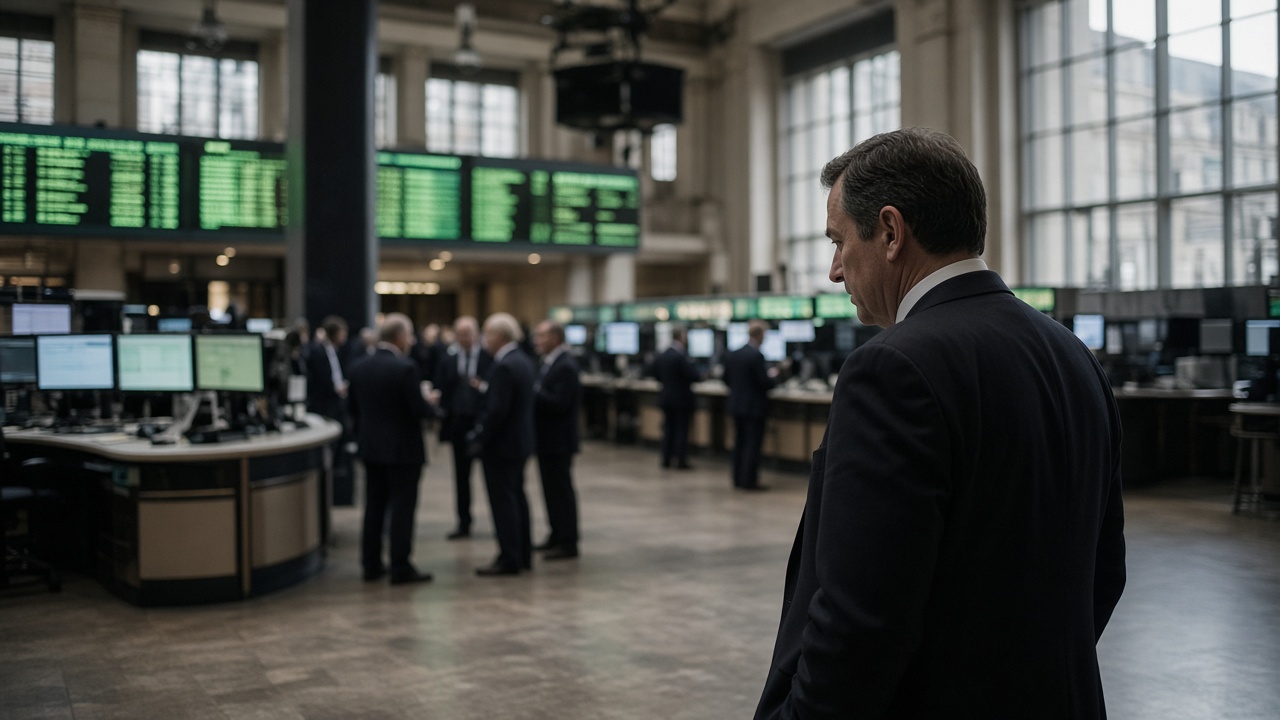
Barclays and Lloyds Banking Group led a rally in London-listed lenders on Thursday after the Office for National Statistics reported that gross domestic product rose 0.1% in August, confounding forecasts of a contraction and pushing the FTSE 100 to a 10,840.35 close.
How the GDP surprise reached share prices
The ONS said output grew 0.7% across the three months to August, with services up 0.9% while production and construction lagged. For domestic banks, the print arrived in the same week Chancellor John Healey told broadcasters that Britain’s lenders remain “a big contributor to the economy,” a line investors read as pushback against talk of a pre-budget windfall tax on financial services. The FTSE banks index rose as much as 1.4% after those comments circulated, according to Bloomberg.
Barclays and Lloyds, among the most domestically focused large caps, tend to move with swings in gilt yields and expectations for Bank of England policy. Thursday’s session also featured Chief Economist Huw Pill cautioning that any future rate increase should not be treated as the start of a prolonged tightening cycle—a remark that helped cap volatility in rate-sensitive names after a week of global tech selling.
Global cross-currents still matter
London’s benchmark finished higher even as Nasdaq-heavy AI stocks sold off overseas. Traders described a defensive rotation into energy, healthcare and banks that benefit when investors question lofty US tech multiples. Sterling rose about 0.4% against the dollar to $1.3249, a modest tailwind for dollar-reporting miners but not large enough to unsettle exporters.
Money markets still price a chance that the Monetary Policy Committee lifts Bank Rate to 4% on 5 November, following CPI at 3.1% and sticky services inflation. Banks earn more net interest income when rates stay elevated, yet they also face higher funding costs if gilt yields spike on budget nerves. That tension explains why lenders rallied on growth data but did not reprice as aggressively as during the post-pandemic rate-hike cycle.
Sectors beyond the big four
NatWest Group and Standard Chartered also advanced, though international exposure left StanChart more sensitive to dollar funding conditions. Insurers and asset managers, another London specialty, tracked gilt moves closely: a softer yield curve hurts annuity writers, while steeper curves support pension deficits. Thursday’s mixed macro picture—growth up, global tech down—produced the kind of stock-picking session active managers prefer to quiet index drift.
What to watch before the next open
Next week brings UK labour market statistics and September CPI, both of which could override one month of GDP. Bank executives heading into closed-door Treasury meetings will also parse any leak about restoring the higher bank corporation tax surcharge. For now, the market’s message is narrower: domestic growth still has a pulse, and investors are willing to own British lenders while they wait for Healey’s 28 October budget to show where the tax burden lands.
Derivatives positioning
FTSE dividend futures ticked higher after the GDP release, reflecting expectations that domestic earners can sustain payouts even if global tech weighs on the index’s US-listed constituents. Banks’ dividend policies remain sensitive to Basel III implementation debates in Brussels and London.
Retail investor flows
ISA season contributions often rotate into UK income funds when gilt yields look attractive; Thursday’s session saw modest inflows into FTSE 100 trackers according to platform data cited by brokers. That stickiness can vanish if budget day brings a shock bank levy.
Trading updates
Neither Barclays nor Lloyds reports third-quarter earnings until later this month, leaving investors to trade on macro proxies. Trading desks inside both banks had a strong summer in fixed income; equity investors wonder whether that resilience continues if loan-loss provisions tick up on consumer stress.
Index composition
Shell and BP weightings also lifted the FTSE when oil prices firmed on Middle East risk, meaning Thursday’s rally was not purely a bank-GDP story. Fund managers hedging UK beta against US tech sold-offs used banks as a cheap expression of domestic recovery hopes.