India's Election Commission on Thursday ordered a special summary revision of electoral rolls in 17 states and union territories, a routine update mechanism that enrolls new voters and refreshes address records. The announcement landed in the middle of street protests against the commission's separate special intensive revision, which opponents say has removed names without transparent safeguards.
Where the SSR will run
The commission's notice covers a mix of large states and smaller union territories, including poll-bound Uttar Pradesh, Punjab, and Uttarakhand. Special summary revisions are typically annual housekeeping exercises, but their timing this year intersects with heated debate over who gets to remain on the rolls before upcoming assembly contests.
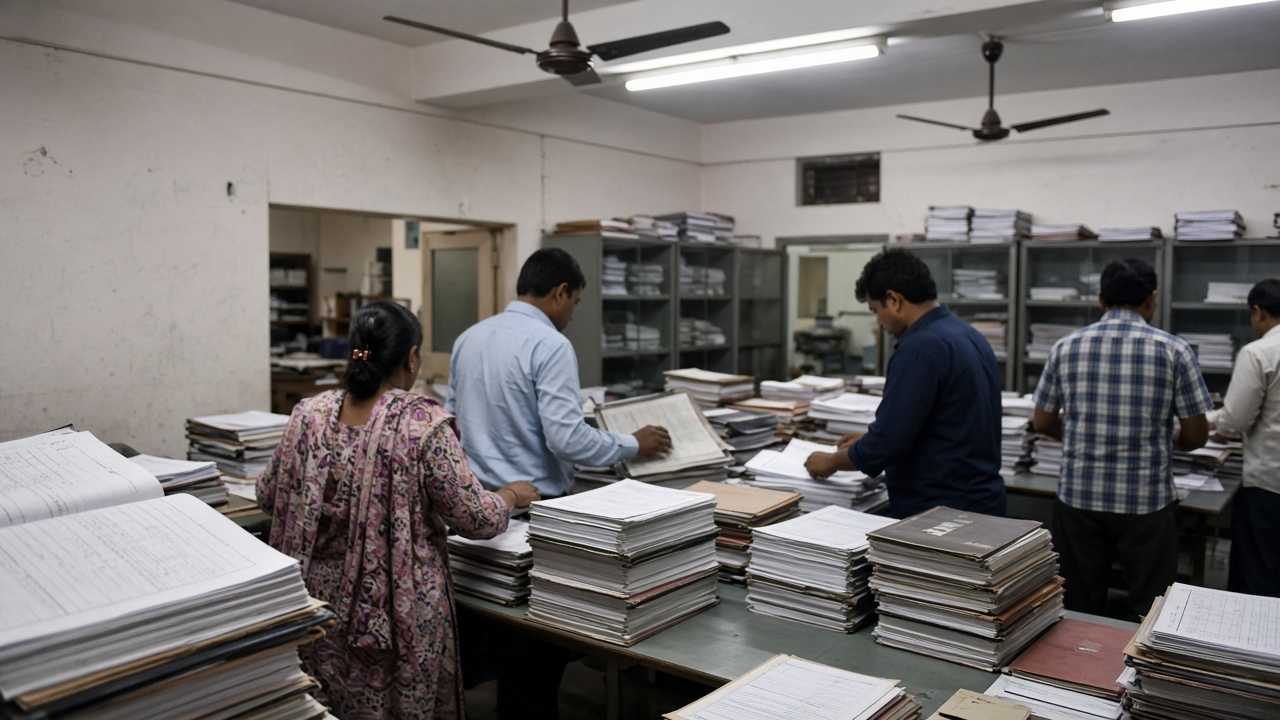
State chief electoral officers will publish draft lists, invite claims and objections, and stage field verification drives. The ECI said the goal is to add eligible young voters and correct outdated entries, not to duplicate the more aggressive SIR process that has drawn court challenges and opposition marches in Delhi.
Why the opposition is watching closely
Protesters have demanded the resignation of Chief Election Commissioner Gyanesh Kumar and have criticized auto-generated Form 7 deletion notices in earlier SIR phases. Opposition leaders argue that some deletions arrived without written standard operating procedures shared with state officials, a claim the commission disputes.
Thursday's SSR order does not cancel SIR, but it gives parties a parallel calendar to monitor. Rahul Gandhi and regional chiefs are likely to deploy booth agents to compare draft rolls against household lists, fearing that any bulk removal could be challenged again in the Supreme Court.
Commission messaging and legal risk
ECI officials have maintained that both exercises are legally distinct: SSR focuses on enrolment and routine corrections, while SIR targets duplicate or ineligible entries flagged through intensive analytics. Civil society groups want published SOPs for any automated deletion and independent audits of digital signatures on Form 7 notices.
Courts have already intervened in related cases, and any mismatch between SSR publicity and SIR enforcement could trigger fresh petitions ahead of winter ballots.
What parties should expect on the ground
District magistrates will set booth-level help desks during the claims window. Youth groups that organized anti-SIR rallies said they will use the SSR period to register first-time voters in college towns, while the ruling Bharatiya Janata Party is expected to highlight enrolment drives in its organizational bulletins.
For voters, the practical step is to check the published draft roll online or at the local booth and file corrections early. The commission has not announced final publication dates for every state, but officials said calendars will be staggered to avoid clashing with festival travel.
Election officials in Delhi said they would keep SSR publicity separate from security arrangements around ongoing demonstrations, after municipal authorities restricted access to parts of the city center ahead of opposition rallies. The commission stressed that enrolment camps will remain open in districts far from protest sites.