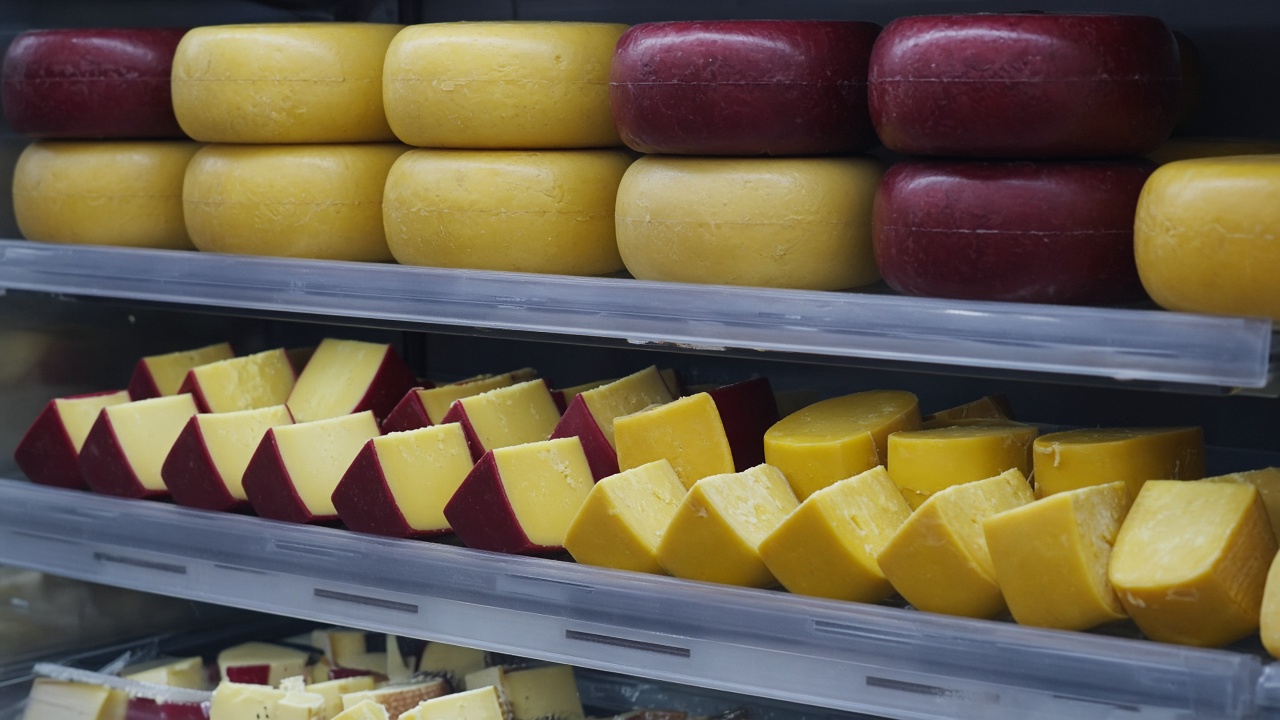
Family Farmstead Dairy, LLC recalled its raw mild cheddar cheese after testing detected Shiga toxin-producing Escherichia coli O157:H7, a pathogen that can cause bloody diarrhea, kidney complications, and hospitalization, especially in young children and immunocompromised adults.
The company announcement dated Oct. 15, 2026, appears on the U.S. Food and Drug Administration’s recall feed alongside other food safety alerts. Raw milk cheeses carry higher risk than pasteurized products because the production process does not include a heat step designed to kill bacteria that may have been present in the milk.
Who is affected
Retail and specialty stores in multiple states received the cheese, according to the recall notice. Lot codes and sell-by dates are listed on the FDA posting; match those numbers against any Family Farmstead label in your refrigerator before serving the cheese on sandwiches or snack boards. If you purchased cut-to-order wedges, ask the store whether their supplier lot is included—retailers often post recall notices at the service counter.
No illnesses had been reported to the company at the time of the announcement, but E. coli O157:H7 can have an incubation period of several days. Symptoms include severe stomach cramps, diarrhea (often bloody), and vomiting. Seek medical care if symptoms are severe or if a child or elderly person becomes dehydrated.
What to do with the product
Do not taste “just a small piece” to see if the cheese seems off. Toxins and bacteria are not always detectable by smell or flavor. Throw away the cheese in a sealed bag so pets cannot scavenge it, or return it to the store for a refund with your receipt if you have one.
Wash cutting boards, knives, and countertops that touched the cheese with hot soapy water, then sanitize if you served the product before hearing about the recall. Cross-contamination from raw cheese to fresh produce is a common way secondary exposures happen in home kitchens.
When to call a doctor
Most healthy adults recover from E. coli O157:H7 within a week, but the infection can progress to hemolytic uremic syndrome, a condition that damages small blood vessels in the kidneys. Warning signs include pale skin, bruising, decreased urination, and extreme fatigue. Parents should watch toddlers closely because dehydration from diarrhea can turn dangerous quickly; oral rehydration solutions are safer than sugary sports drinks for small children.
Raw cheese risk in context
Federal law requires raw milk cheeses sold in interstate commerce to be aged at least 60 days, a rule meant to reduce—but not eliminate—pathogen survival. Outbreaks linked to raw dairy still occur each year, which is why pregnant people, young children, and older adults are generally advised to choose pasteurized cheeses.
This recall is separate from recent drug and supplement alerts, including hospital injectable recalls, and from unrelated deli meat or smoked fish recalls posted the same week. Checking the FDA list by brand name is the fastest way to confirm whether a product in your fridge is implicated.
Reporting illness
If you believe you became sick after eating the cheese, contact your local health department and keep any remaining packaging with lot numbers for case tracking. Healthcare providers should report laboratory-confirmed Shiga toxin-producing E. coli infections to public-health authorities so officials can connect individual cases to the recalled lots.
Family Farmstead said it is cooperating with regulators and has stopped distribution of the affected batches. Until the investigation closes, consumers should choose pasteurized cheddar from unaffected brands or wait for retailers to restock verified safe inventory.