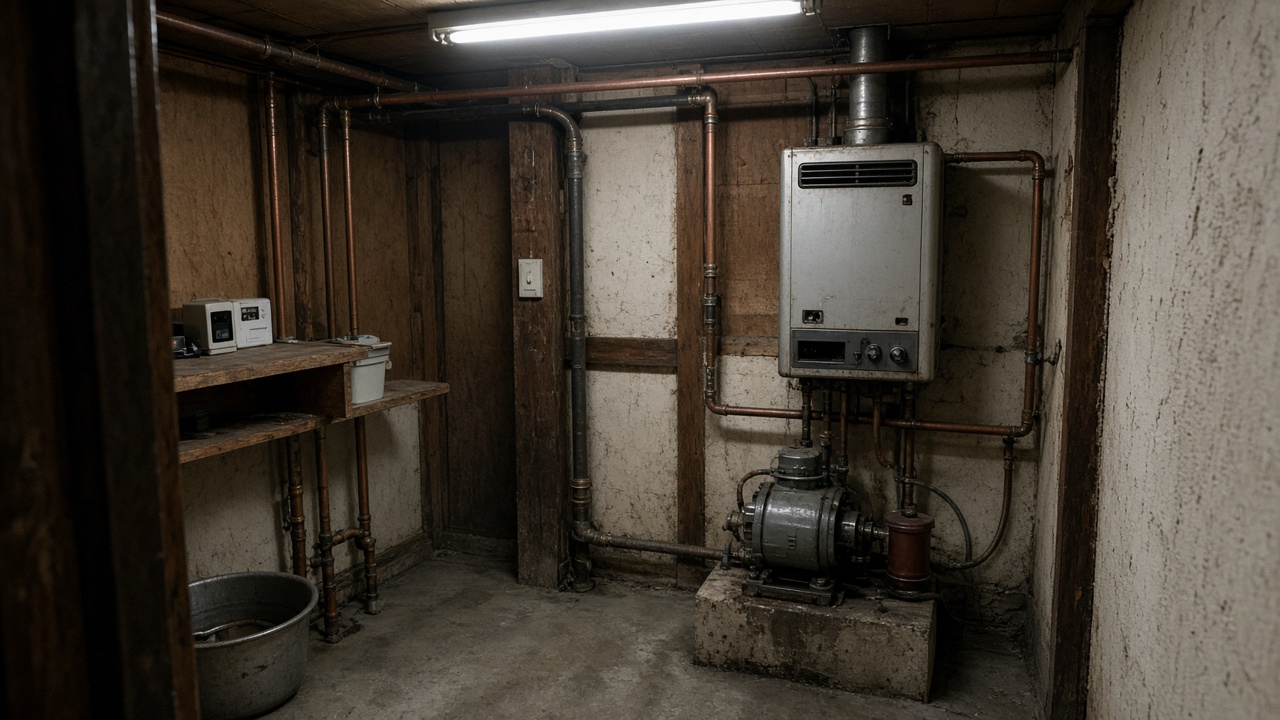
Gunma Prefecture’s disaster-prevention bureau started shipping battery-backed carbon-monoxide detectors this week to 312 registered rural minshuku and small hot-spring lodges after a voluntary autumn inspection round flagged venting problems on ageing kerosene and gas boilers, officials said Thursday. The program is not a punishment for past fatalities in Gunma; it is a seasonal push before guests arrive for autumn foliage and ski weekends, when lodges fire boilers that sat idle through summer humidity.
What inspectors found
Fire-prevention volunteers and prefectural engineers visited 480 lodges between September and early October, focusing on properties with on-site bath boilers rather than centralized municipal hot springs. Forty-one sites showed blocked or corroded exhaust paths, loose flue joints, or indoor air intakes covered by renovation tarps—failure modes the National Institute of Technology and Evaluation has repeatedly linked to autumn CO poisonings nationwide.
None of the Gunma visits produced hospitalizations this fall, prefectural health officials said. The trigger instead was a cluster of near-misses: three lodges in the Minakami and Tsumagoi areas recorded elevated CO readings on handheld meters during pilot tests, prompting owners to shut boilers until contractors arrived. In one case, a part-time host smelled no gas; the colorless monoxide came from a partially blocked chimney on a 28-year-old unit.
Why lodges lag urban hotels
Urban business hotels upgraded detectors after Ministry of Economy, Trade and Industry guidance following fatal boiler accidents in other prefectures, including cases where school trips were affected. Rural minshuku often rely on a single licensed boiler tender who visits monthly, not a full-time engineer. Many buildings predate mandatory CO alarm rules for small inns; Airbnb-style listings exacerbated the gap when platforms began urging hosts to disclose detectors without supplying them.
Gunma’s package includes two alarms per property—one near sleeping quarters, one outside the boiler room—mirroring international fire-chief recommendations cited by Airbnb Japan’s host safety pages. Prefecture staff will not install devices; they include illustrated guides in Japanese and simple English for foreign guests booking foliage tours.
Absolute risk in context
Carbon monoxide poisonings are rare compared with traffic injuries, but NITE’s product-accident statistics show autumn and winter spikes when stoves and bath boilers run continuously. Absolute risk for any single guest night remains low, yet the harm curve is steep: unconsciousness can follow within hours in sealed tatami rooms.
Health officials framed the mail-out as harm reduction, not panic. Lodges that refuse installation will stay on a watch list for spring reinspection; tourism associations asked for grace until November 15 so owners can schedule vent cleaning during midweek closures.
Boiler maintenance economics
Replacing a small kerosene boiler can exceed ¥800,000, a capex strain for family-run lodges still repaying pandemic loans. Gunma is pairing alarms with a low-interest loan window for flue replacement, funded from a disaster-preparedness grant rather than the general account. Contractors certified by the prefectural gas association booked quickly after the announcement, some quoting six-week waits.
Hosts who already installed alarms after reading NITE pamphlets may swap prefecture units for spares or donate them to uninsured staff housing nearby—a workaround officials quietly accept to avoid double-counting.
What guests should do
Travelers should still ask where detectors sit and whether boilers were serviced after summer closure. Portable travel detectors, tested by consumer magazines abroad, remain legal to carry and can supplement wall units in annex buildings.
Gunma’s tourism board will add a CO-alarm icon to its rural lodging map once installations are confirmed. The icon is a small badge, but for a prefecture that sells quiet mountains and onsen steam, it is a promise that invisible gas will not be part of the package.
The prefectural medical association released a short video for innkeepers on headache-and-nausea triage, urging them not to dismiss symptoms as altitude sickness or hangovers. Fire headquarters reserved extra patrol slots for the year-end holiday crush, when boilers run continuously for multi-generation family bookings.