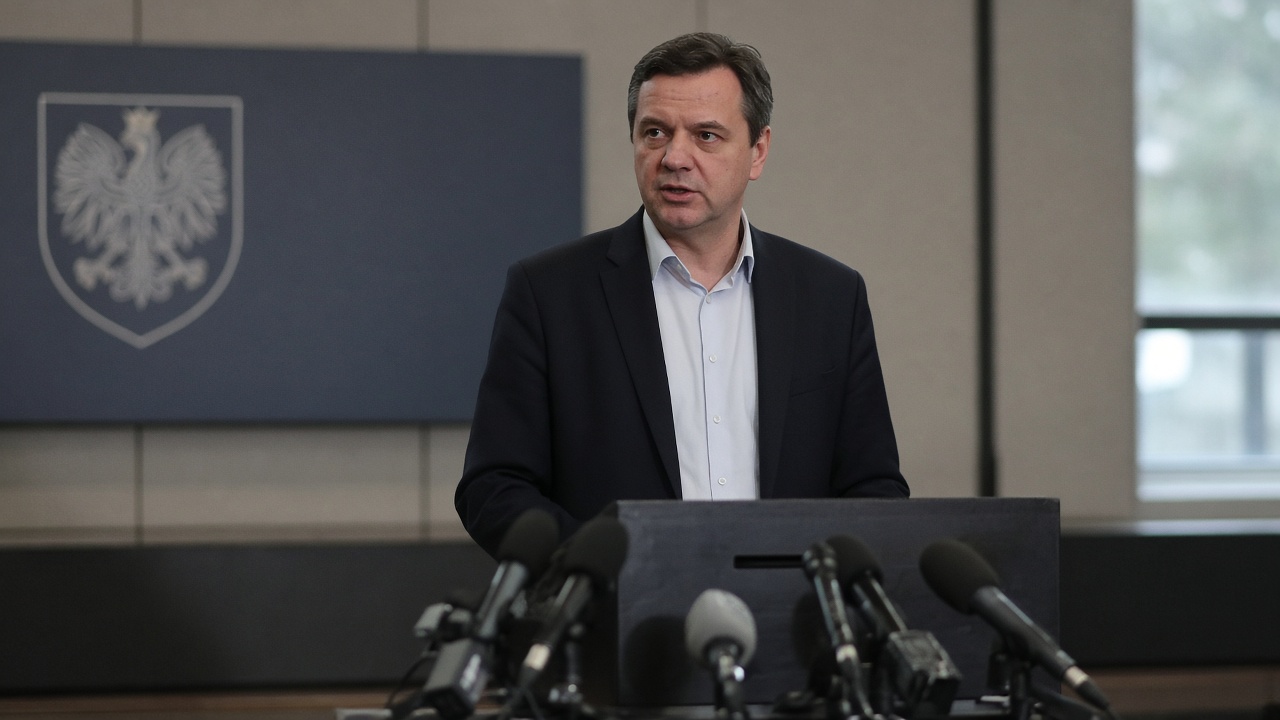
Poland’s government summoned representatives of Google, Meta, TikTok, Discord and Telegram to the Digital Affairs Ministry in Warsaw on Friday, demanding faster removal of violent posts and credible age checks after three school stabbing attacks in four days left one staff member dead and roughly 15 people injured. Deputy Prime Minister Krzysztof Gawkowski said the assaults were followed by a surge of online threats that kept pupils and teachers out of classrooms until thousands of police were deployed to campuses nationwide.
Gawkowski told reporters that between 7 and 12 October Polish agencies flagged 89 posts they considered illegal under the criminal code, but platforms took action on only 30. He presented what he described as evidence that glorification of the attackers, Nazi imagery and copycat threats circulated while moderators moved slowly. Elon Musk’s X was invited but did not attend; Gawkowski said 57 posts were reported to X and that the service removed or restricted 20 while leaving 37 untouched, calling the platform a haven for hate speech.
What triggered the crackdown
The physical attacks began on 7 October in Ostrołęka, where a 19-year-old injured 10 people including himself at a school, according to Polish media accounts cited by Reuters. On 8 October a 15-year-old former pupil wearing a helmet-mounted camera killed a caretaker and wounded two teachers in Leszczydół-Nowiny, northeast of Warsaw. A third stabbing on Saturday at a Warsaw further-education college injured three more people. Warsaw says corners of the internet devoted to serial killers and extremist ideology are amplifying fear after each incident.
What Warsaw wants from Silicon Valley
After Friday’s meeting Gawkowski said companies pledged to speed moderation, train staff and designate direct contacts for Polish cybercrime units and the NASK research institute. He reiterated demands for real age verification, deletion of accounts held by children under 13 and shorter response times when state bodies file takedown requests. Poland is separately pushing EU-level rules, including a proposed minimum age of 15 for social media access, and Gawkowski warned that failure to comply with Poland’s digital-services law could bring steep fines once enforcement ramps up.
Parents’ groups and teachers’ unions had pressed for the meeting after schools reported hoax bomb threats and lockdown messages traced to anonymous accounts. Gawkowski said the next session with platforms will examine why so many state referrals were ignored during the most acute week of the crisis. For now, police patrols remain visible at school gates while prosecutors pursue separate criminal cases against the attackers.