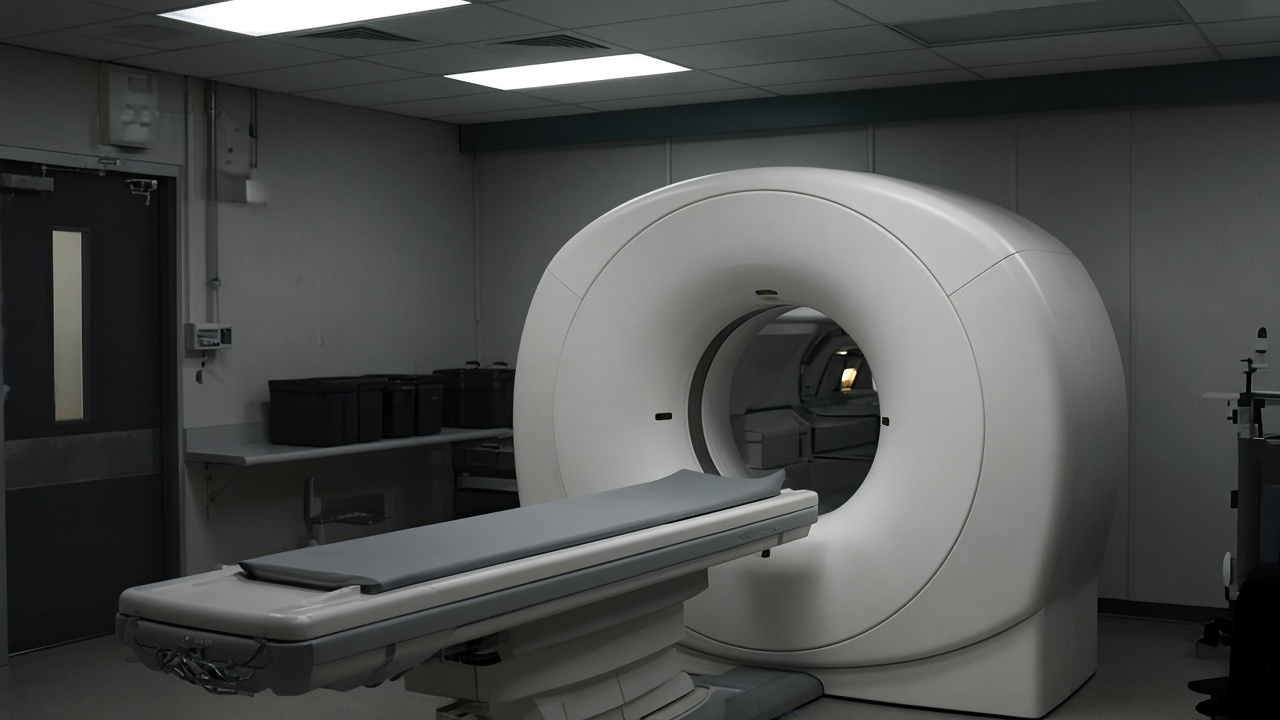
Cancer patients in Essex are receiving PET-CT scans faster after a purpose-built imaging centre at Southend Hospital reached full operation this month, replacing cramped legacy facilities that could not keep pace with demand.
What the new building changes
The single-storey centre houses the latest PET-CT scanners, combining metabolic and anatomical imaging in one appointment that guides oncology teams on staging and treatment response. Mid and South Essex Integrated Care Board said the first patients used the suite in late September and that it was fully operational by mid-October, expanding capacity without sending cases to London trusts.
PET-CT waits became a bottleneck nationally after the pandemic cleared backlogs for surgery but left imaging queues. Mobile scanners helped temporarily, but fixed sites with dedicated radiochemistry lines deliver more predictable isotope supply—critical when fluorodeoxyglucose doses decay within hours.
Patient experience
Clinicians highlighted quieter waiting areas and shorter travel for coastal towns that previously relied on transfers to Basildon or central London. Faster reports mean multidisciplinary teams can decide on radiotherapy or surgery sooner, which matters when NHS England tracks 62-day cancer standards.
System pressures remain
A new scanner does not solve workforce shortages in radiology and nuclear medicine. Recruitment of reporting radiologists and physicists will determine whether throughput gains hold into winter, when respiratory infections complicate scheduling. Trust finance directors must also fund consumables even when capital came from national diagnostic money.
Outlook
Portsmouth and other trusts plan similar community diagnostic openings before year-end. If Southend hits its waiting-time targets through December, expect the model to be cited in the next cancer strategy review as proof that capital investment beats yet another outsourcing debate.
Radiochemistry supply chain
PET scans depend on cyclotrons delivering fluorine-18 on tight schedules. The new centre’s on-site generator capacity was specified to reduce lorry delays from distant suppliers—a lesson from winters when ice storms stranded doses en route to mobile units.
Equity across Essex
Integrated care boards track whether coastal deprivation pockets see equal access to the scanner. Mobile vans will still serve rural Maldon villages, but fixed capacity should cut two-hour drives to London that deter elderly patients from follow-up imaging.
Research potential
Oncology trials increasingly demand rapid PET reads to adapt immunotherapy doses. Southend’s upgraded digital pipeline could attract pharmaceutical studies if ethics approvals move quickly.
Winter planning
Trust leaders are modelling scan demand against flu-related cancellations, when vulnerable patients defer hospital visits. The PET-CT hub’s separate entrance reduces crossover with emergency departments—a small design choice that gained importance after winter overcrowding reviews.
Staffing pipeline
Mid and South Essex Health Academy is recruiting radiographers specifically trained in PET radiopharmacy handling, a niche skill set where national shortages persist. Without those hires, the shiny building risks becoming a bottleneck of scanner capacity rather than a cure for waiting lists.