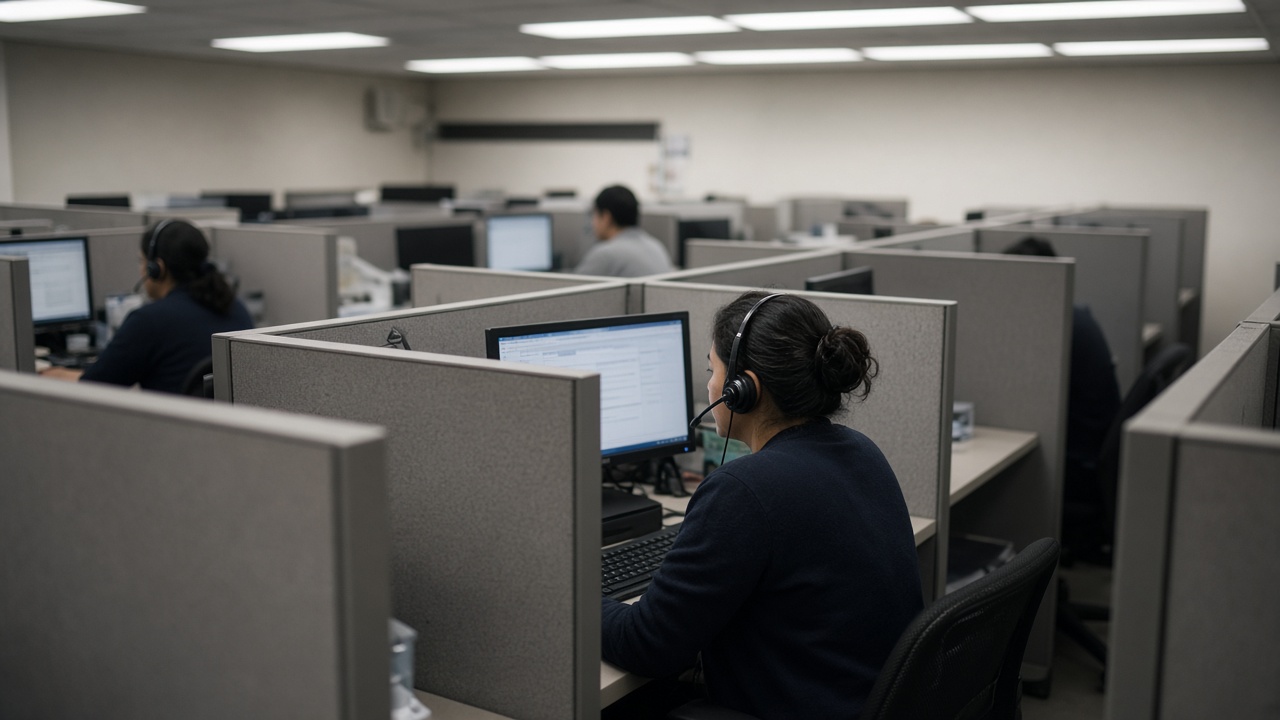
The Telecom Regulatory Authority of India (Trai) issued fresh directions this week requiring public-sector banks to register branded alphanumeric headers on all outbound landline calls placed through commercial communication scrubbers, closing a loophole that let collections agencies dial borrowers from unnamed fixed-line numbers.
What Trai is targeting
Under the Telecom Commercial Communications Customer Preference Regulations, banks must now map each calling campaign to a visible sender label—such as a truncated bank name plus department code—before the call leaves the service provider’s network. Trai said the change applies to recovery, KYC refresh and loan-servicing scripts that originate on landlines, a channel that had evaded the same scrutiny as SMS and mobile telemarketing.
Providers that fail to scrub unregistered headers will face penalties starting 1 November, Trai’s order states. Lenders must also upload campaign metadata, including script purpose and maximum call attempts per account, into the distributed ledger technology platform Trai uses to audit telemarketers.
Why landlines matter for collections
State-run banks still rely on fixed-line dialers for tier-two city branches where mobile DND filters are stricter. Borrowers often ignore calls from anonymous “011” or “022” numbers; branded headers are meant to reduce scam suspicion while giving consumers an auditable trail when complaints arrive.
The move follows a surge in phishing calls impersonating PSU bank fraud desks. Trai’s consumer outreach unit said verified headers should align with the bank’s official website list, making it easier for customers to cross-check callbacks.
Implementation burden
Bank technology heads told industry forums the integration requires re-provisioning thousands of PRI lines and retraining collections vendors who batch-upload call files nightly. Smaller cooperative banks that outsource dialing entirely may need new contracts passing compliance liability to service bureaus.
Private-sector lenders are watching whether Trai extends the rule beyond PSUs after the festive quarter. For now, the order is limited to government-owned banks whose recovery volumes spike after moratorium seasons end.
Consumer takeaway
Borrowers should still never share one-time passwords on unsolicited calls, even if the header looks legitimate. Trai’s measure is about traceability, not authentication. Complaints can be filed through the Sanchar Saathi portal with the displayed header captured in screenshots or call logs.
Industry lobby IBA scheduled a working group for 20 October to harmonize header formats across major public-sector bank dialers. Trai officials said mobile-origin collections already comply, so the landline gap was the last major hole in the scrubbing framework.