Cleanaway Waste Management shareholders enter the weekend without a binding takeover from EQT Infrastructure, even after the Swedish private-equity group repeated that due diligence had not uncovered a deal-breaker on its roughly $9.4 billion scheme of arrangement. The stock closed Friday’s session weaker at $2.47 after an ASX price query, leaving the board’s Monday 7am exclusivity deadline as the next hard marker for Australia’s largest listed waste hauler.
What EQT has promised—and what it has not signed
EQT’s non-binding proposal, first tabled in August, would take Cleanaway private through a shareholder vote. In updates filed this week the bidder said it was finalising diligence and negotiating an implementation deed—the contract that would convert indicative terms into a formal offer booklet. EQT also pledged not to worsen economics for Cleanaway owners relative to the headline already on the table.
None of that amounts to a signed transaction. Cleanaway told the ASX on 16 October there was “no further update” beyond its 12 October filing and that it would speak again before trading on 19 October. The distinction matters for hedge funds that bought stock on takeover odds: without a deed, break fees and certainty of scheme timing stay undefined.
Why the share price wobbled
Friday’s price query followed a sharper intraday fall of nearly 6 percent despite EQT’s reassurances. Traders cited two overlapping worries: that a global credit squeeze could make infrastructure funds pause large cheques, and that Australian regulators might scrutinise market concentration if EQT folds Cleanaway’s municipal contracts into its existing waste assets.
Cleanaway’s response to the exchange stressed continuous disclosure compliance and board authorisation, but offered no new diligence findings. That silence is normal in exclusivity periods yet rarely comforts retail holders who priced in a quick premium.
Operations that underpin the bid
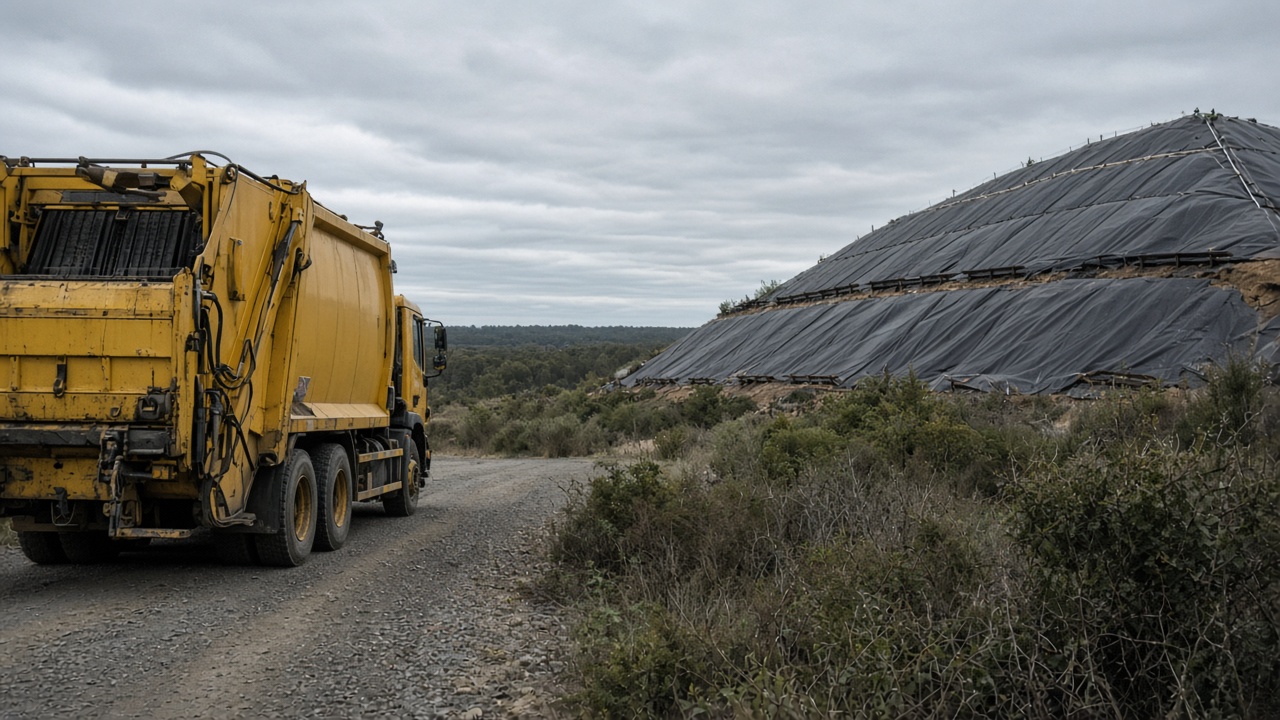
Cleanaway’s appeal to EQT lies in long-dated council collections, landfill airspace and post-consumer recycling plants tied to east-coast population growth. The company has been integrating acquisitions while managing labour costs and diesel exposure; any buyer must model how state container-deposit schemes and packaging mandates shift tonnages over the next decade.
Union coverage across drivers and landfill staff adds another variable. Strikes are not central to this week’s filings, but wage deals struck in 2025 flow through to EBITDA guidance that EQT’s models must match.
Regulatory and political read-through
The Australian Competition and Consumer Commission would almost certainly review a change of control, although waste deals have historically cleared with undertakings rather than blocks. State environment agencies would also want continuity on leachate monitoring and methane capture at major tips—operational details that can extend exclusivity if EQT’s engineers request more site visits.
Federal politicians rarely intervene in private-equity takeovers, yet waste services are politically visible after bin-collection outages in several capitals. A prolonged scheme timetable that overlaps with council contract renewals could draw local-government questions even if Canberra stays quiet.
What holders should watch before Monday
EQT’s board was expected to meet overnight Australian time to decide whether to authorise a binding path. If directors balk, exclusivity could lapse without a penalty fee disclosed to minority investors. If they proceed, the next document is likely an implementation deed followed by an independent expert report valuing the scheme.
Until then, Cleanaway remains a listed operator paying dividends off existing contracts, not a done deal. The 19 October update window gives the company one more chance to either announce signatures or admit talks stalled—either outcome will reprice the stock sharply at Monday’s open.