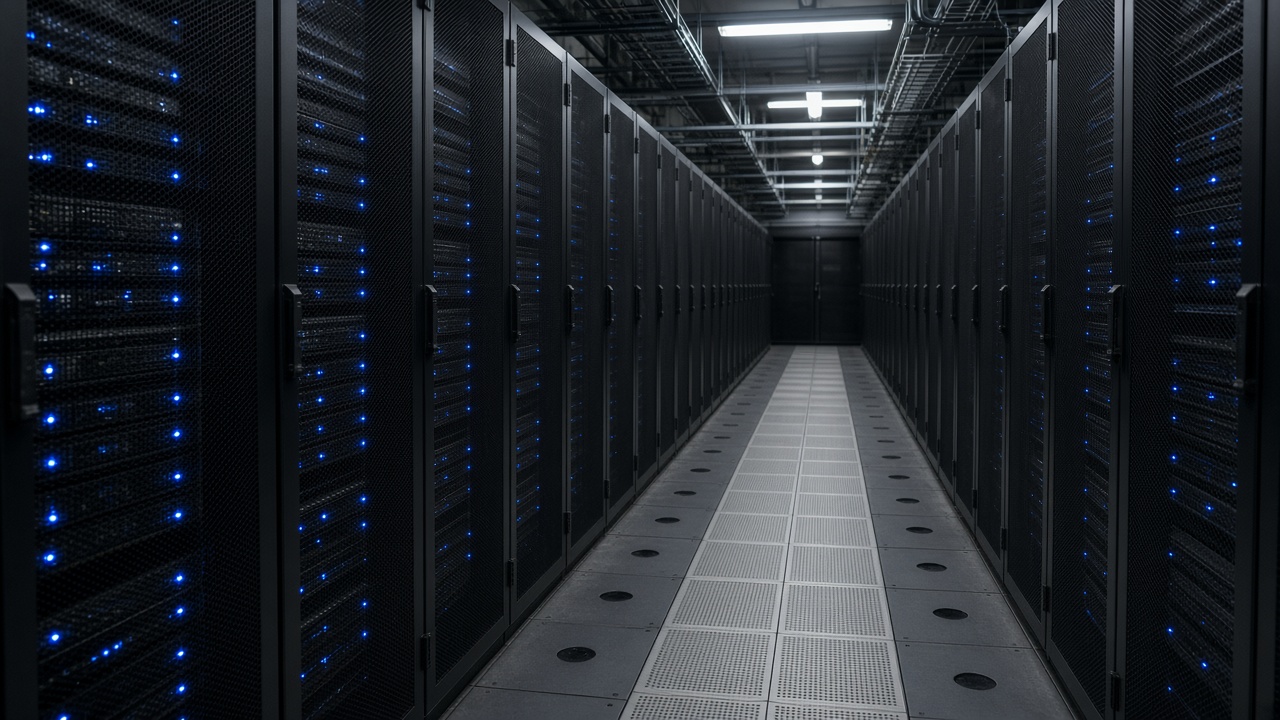
DigiCo has signed Anthropic to a 15-year contract for capacity at its SYD1 data-centre campus, according to a Street Talk report on 16 October, giving the HMC Capital-backed developer a marquee tenant as Sydney competes with Queensland mega-sites for AI compute investment.
Why landlords stay quiet on megawatts
Hyperscale leases rarely disclose power density or rent per kilowatt, and DigiCo’s announcement followed that tradition: it confirmed term length and tenant identity while withholding technical specs rivals could use to undercut pricing. For Anthropic, a long-dated Sydney footprint complements US training clusters and its separate Queensland alignment with Zerra DC’s Western Downs Digital Park.
The deal matters for Australia’s energy politics as much as for technology. Federal ministers want AI investment without blowing east-coast grid limits, pushing developers to secure renewable offsets and demand-response contracts before energising halls.
SYD1 in the metro fibre map
DigiCo’s Sydney assets sit on routes prized for low-latency links to financial districts and submarine cable landing zones. Anthropic’s need is not microsecond trading but reliable, high-bandwidth pipes for weight synchronisation and checkpoint storage—requirements that favour campuses with diverse fibre entries and on-site substations.
Competing operators in Western Sydney and the Macquarie Park corridor have pitched similar specs; locking Anthropic for fifteen years signals DigiCo won on power availability, delivery timeline, or balance-sheet depth from HMC rather than on being the only option.
Workforce and planning friction
Local councils still face resident complaints about generator testing and truck traffic during construction peaks. A fifteen-year lease underwrites training for electricians and HVAC technicians, yet it also binds planners to monitor water use for evaporative cooling—an issue Queensland projects now promise to avoid with rainwater harvesting.
New South Wales planning panels have accelerated digital-infrastructure approvals this year, but bushfire smoke and heatwaves remain operational risks that show up in insurance premiums rather than press releases.
Policy hooks
Canberra’s parallel AI inquiry recommended early access for security agencies and independent safety oversight inside labs. Physical hosting in Australia makes those policy asks concrete: models trained onshore may be easier to subject to incident reporting rules than weights shipped solely from US clouds.
Tax incentives for critical technology, still evolving, could sweeten depreciation schedules for DigiCo and tenants, although neither party cited subsidies in the public disclosure.
Investor lens
HMC Capital investors treat data centres as inflation-linked real assets with development margins. A signed AI anchor reduces leasing risk for SYD1 phase two, potentially lowering debt costs on construction facilities. Listed peers watch because every Anthropic megawatt not taken in Sydney is demand that might flow to their halls instead.
Until DigiCo publishes energisation dates, the market trades the headline: frontier AI training is now a fifteen-year tenant relationship, not a pilot rack in an undisclosed suburb.