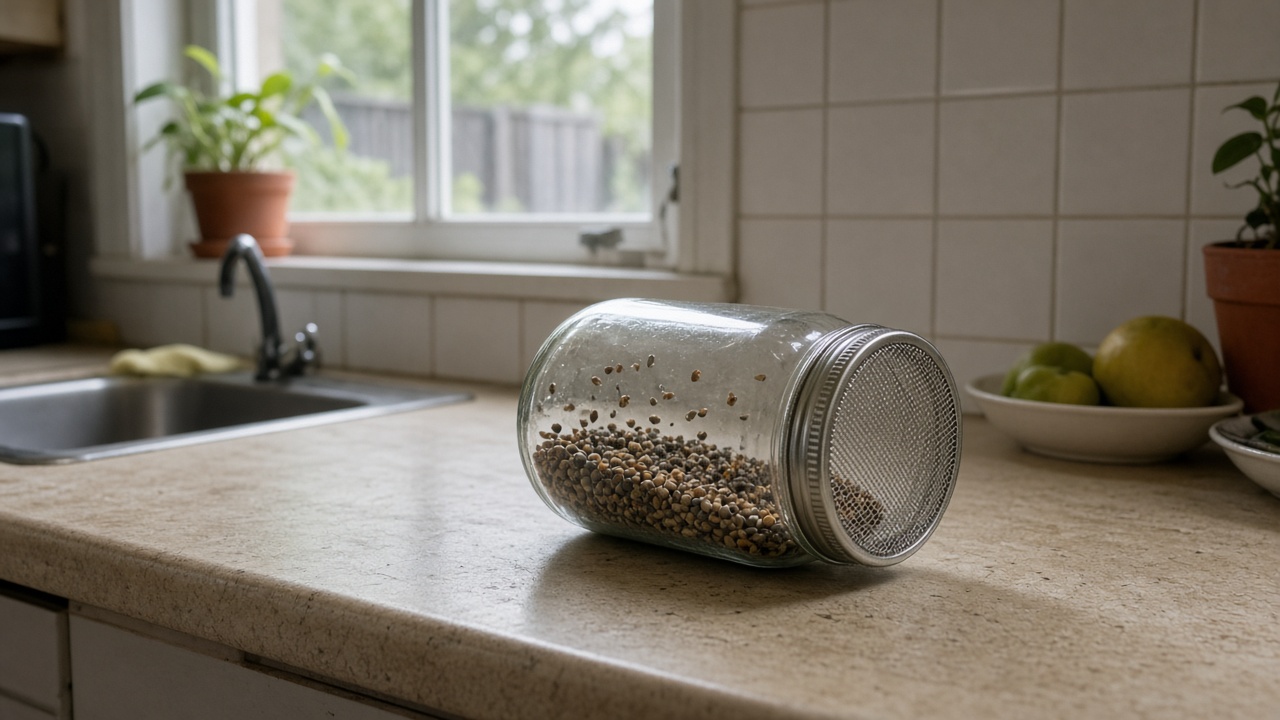
Gardeners Basics recalled broccoli sprouting seeds sold nationwide after FDA testing flagged potential salmonella contamination, adding to an October cluster of food recalls that includes smoked seafood and raw cheese.
Home sprouting is a niche habit compared with grocery store produce, but salmonella in dry seeds can multiply quickly in the warm, humid environment of a kitchen jar. Anyone who started a batch this month should check lot numbers against the company notice rather than tasting a few sprouts to see if they seem off.
What was recalled
The FDA’s enforcement report lists Gardeners Basics broccoli sprouting seeds under foodborne illness concerns, with salmonella cited as the reason for the voluntary recall. The product type is dry seed sold for home sprouting, not bagged salad greens.
Retail broccoli florets from the produce aisle are a different supply chain with different testing requirements. This recall targets mail-order and ecommerce seed pouches used with countertop sprouting kits, a product category that has triggered salmonella alerts before when warm rinse water incubated bacteria.
Because sprouts are often eaten raw, pathogens are not killed by a quick rinse. Cooking sprouts thoroughly reduces risk, but most home growers eat them raw on sandwiches and salads—exactly the use case regulators worry about.
Symptoms and who faces higher risk
Salmonella infection typically causes diarrhea, fever, and stomach cramps within hours to days after exposure. Healthy adults often recover without hospitalization, but young children, older adults, and people with weakened immune systems can become seriously ill.
Dehydration is the most common complication for otherwise healthy patients. Oral rehydration solutions help more than soda or juice, which can worsen diarrhea. Seek emergency care if you notice bloody stool, persistent high fever, or signs of dehydration such as dizziness when standing.
If you ate homegrown broccoli sprouts recently and develop symptoms, call your clinician and mention the sprouting hobby. State health departments sometimes trace outbreaks through leftover seeds or water samples from jars.
What to do with jars and seeds at home
Stop growing and discard remaining seeds from affected lots. Empty sprouting jars, lids, and counters with hot soapy water, then sanitize with a diluted bleach solution or dishwasher cycle on heat-dry if parts are dishwasher-safe.
Do not compost recalled seeds if you plan to use the compost near edible gardens; salmonella can persist in soil environments. Seal bags and throw them away in an outdoor trash bin.
How to sprout more safely if you continue
If you buy replacement seeds from another vendor, consider bleaching seeds briefly using university extension guidelines, sprouting in a cooler part of the kitchen, and refrigerating finished sprouts within a day. Retail broccoli sprouts at grocery stores are subject to commercial testing; home kits are not.
Other October recalls on the same FDA list
The FDA’s rolling recall table for mid-October also includes cold-smoked salmon, raw cheddar cheese, and injectable drug products pulled for particulate matter. None of those share lot numbers with Gardeners Basics seeds, but households stocking freezers and medicine cabinets should scan the full list rather than assuming one alert covers the kitchen.
Online marketplaces sometimes continue selling recalled lots until sellers receive notices. If you bought seeds from a third-party seller, compare package photos to the official recall notice and contact the seller for refund instructions.
Check the FDA recall page weekly when you buy specialty foods online. October’s list also includes cold-smoked seafood and raw cheese recalls unrelated to Gardeners Basics—separate products, separate lot numbers, same need to read details before you serve dinner.